A couple of years ago, some dear friends and I were part of an art exhibit on Roosevelt Island in New York. Roosevelt Island means a lot to me, as it’s across from where I grew up. Looking across the river, it still felt like I was living there, still felt like that was our home. In my mind, it always has been. In my life, I only count three places as home. My first home was York and 63rd street, which I will write about here. My second home was Copenhagen, a place that still elicits strong emotions from me. And my third home is Boston, where I’ve lived longer than the two other places combined. Where I’ve lived longer that I lived in New York, longer than all the time in my life I spent in Poland and longer that I spent getting my high school, bachelors and masters degrees combined.
I hear people wax rhapsodic about where they grew up and what a strong pull they feel towards it. New Yorkers tend to do this thing that really rubs me the wrong way, where they try to measure how much of a New Yorker you are. Oh so you weren’t born in the city, oh you don’t qualify. I wasn’t born in New York but I moved there when I was five. I apologize to those people who are so offended by me spending the first five years of my life outside of New York. I was a little kid and didn’t realize we would meet later and this mistakes on my part would figure so prominently in our history together.
Somehow this stupid thing made me feel like I wasn’t a “real” New Yorker and therefore, the city wasn’t my home. Of late though, I’ve been able to push away the thoughts that it wasn’t my home and have become a lot prouder of where I grew up. I was talking to my pastor, who is also a dear friend, and he told me not to be embarrassed about where I grew up. It’s a big part of who I am.
As I have written about before, when I was 13, we left the safety of our little life on York and 63rd street and moved to a place that simultaneously hurt me and my family in immeasurable ways but also ultimately allowed us to thrive to a degree that we never could have imagined. Who could have known what to come to pass in 1989 entering this hostile environment that this would directly lead to the best thing that ever happened to us. But nothing in life comes without a cost and sometimes I think the cost we paid for what we got later on was too high.
The cost I paid was that our old life was erased from my memory. Erased. Us living on the upper east side, on the campus of this university, near New York Hospital and Cornell medical college was erased by a mere move of 30 miles. Who I was, who we all were was erased by those cruel, racist people. I don’t remember one person asking me where we lived before or anything about our background. That was gone. I remember passing through the old neighborhood on my prom night and trying to point out to someone that that was where we lived when I was growing up and I couldn’t even get the person’s attention. That was all I needed to know about those people.
In recent years, I have set about reclaiming our past and really appreciating how I grew up and how it all shaped me. When I talk to people, I say I grew up in Manhattan and leave it at that. The chapter in the hostile place is erased, as it should be. A couple of years ago, a friend from high school came to Boston, after he had experienced an incredibly tragic loss. Another friend joined me meeting him and told me she was shocked because she had never heard me mention anyone I went to high school with as a friend. By design. I wanted that time to disappear from my life and for the most part, I’ve been successful in that.
What has struck me and at the risk of sounding extremely self important, was how my parents were working in his rarified medical world but it never seemed that way. No one bragged or acted like they were better than anyone else. I often think of an encounter I had as a young person with a man named Roy Vagelos, a name in the pharmaceutical industry who my parents also knew. To a larger group of young people that I was a part of, Vagelos told the story of how his company had developed a treatment for river blindness, a debilitating disease present in sub-Saharan Africa. He told of how people had been bitten by flies that carried his parasite and had itched their skin their entire lives. Suddenly after receiving one or two doses of the drug developed by his company, they were free of this. The drug was extremely effective. Right at the end of the story, he recalled visiting the areas affected by the river blindness with “Jimmy and Rosalind.” Jimmy and Rosalind. Carter. He meant Carter. He said it so quietly and with so little fanfare that you’d have barely noticed that he was talking about the 39th president of the United States. I remember at this moment thinking — this is who you want to be. Model yourself after this man, not those people you had been around for years. That has stuck with me ever since.
Recently, a dear friend who works for his country in New York recently contacted me with a request to share a picture on my Instagram. I told him I’d do it if he bought me an ice cream at Serendipity 3, an old fashioned ice cream parlor on the upper east side. We met and had a thoroughly excellent reunion, recounting old times and new adventures. My heart was full after the meeting. We also happened to be near where I grew up, so I strolled over there after our little meeting with my friend to show him where I grew up. It was night time and I found the spot on the Brooklyn bridge where you can see the Queensborough bridge really well, made famous in multiple movies.
Up from where we lived, there was a stretch of York Avenue called Sutton Place. It a peaceful stretch of streets that isn’t too flashy on the surface, but has a quiet kind of a beauty. Everyone has a place they’ve always wanted to live and for me, it was Sutton Place and still is. Sutton place is also the home of one of the most iconic views in all of cinema, from the Woody Allen film, Manhattan, where he sits with the Diane Keaton character contemplating life. My friend told me all casual style that he had stayed with his delegation on Sutton Place. Just a normal set of circumstances where you stay in the most expensive part of the city. Normal.
I loved our life in New York and have amazing memories from it. We lived on York and 63rd street. My parents’ job was across from our house and their job was across the street from my elementary school. Near where we lived was Cornell Medical College, alma mater of one Doctor Anthony S. Fauci, who I had the distinct pleasure of seeing speak recently.
I don’t exactly remember when I first became aware of Dr. Fauci during the pandemic. Maybe it was when Dr Fauci masked a massive eye roll while the orange clown who shall not be named said something completely insane during the first days of the pandemic. Soon after, I watched a biographical video about Dr Fauci’s life. There was something no nonsense and pure about the guy.
The video details Dr Fauci’s discovery and mapping of the AIDS virus and his relationship with the activist community during that time. I remember being in elementary school in New York and my teachers wearing buttons that said “silence equals death.” This was a group of people who were fighting for their lives. In the biographical video about Dr Fauci, he comes across as this hardcore Brooklyn guy who has such a huge heart.
I also came across this great video of an interview that Dr Fauci did jointly with Larry Kramer on C-Span some thirty years ago. Larry Kramer was at his fieriest and well within his rights to be that way, as his community was being decimated at the time and he was doing everything in his power to save his friends. Dr Fauci was in his humanitarian doctor suit, as Kramer called it during the interview and the C-Span host looked like he was going to need a stiff drink after the whole thing.
The session is on a dead serious topic, the AIDS pandemic but it has its choice moments. What struck me was how Kramer had some real vitriol flowing out of him at the government’s response to the pandemic. He had previously directed it at Dr Fauci who had thoughtfully reached out to Kramer and brought the activists into the process to find treatments for the AIDS virus. During the interview, Kramer was hurling the vitriol and the host looked like he was looking forward to his drive home that night, Fauci dealt with it in a very thoughtful way. He ended up laughing with Larry and it showed that these two people were truly friends. At the end of the whole thing, Dr Fauci said something about how slowly treatments are developed and Larry goes — Tony when you talk that way, I hate you. And Dr Fauci just acknowledged it in this loving way.
My friends joke that I have a crush on Dr Fauci and hey, there might be a grain of truth to that. Seeing him speak though was really special, to get a bit corny here for a second.
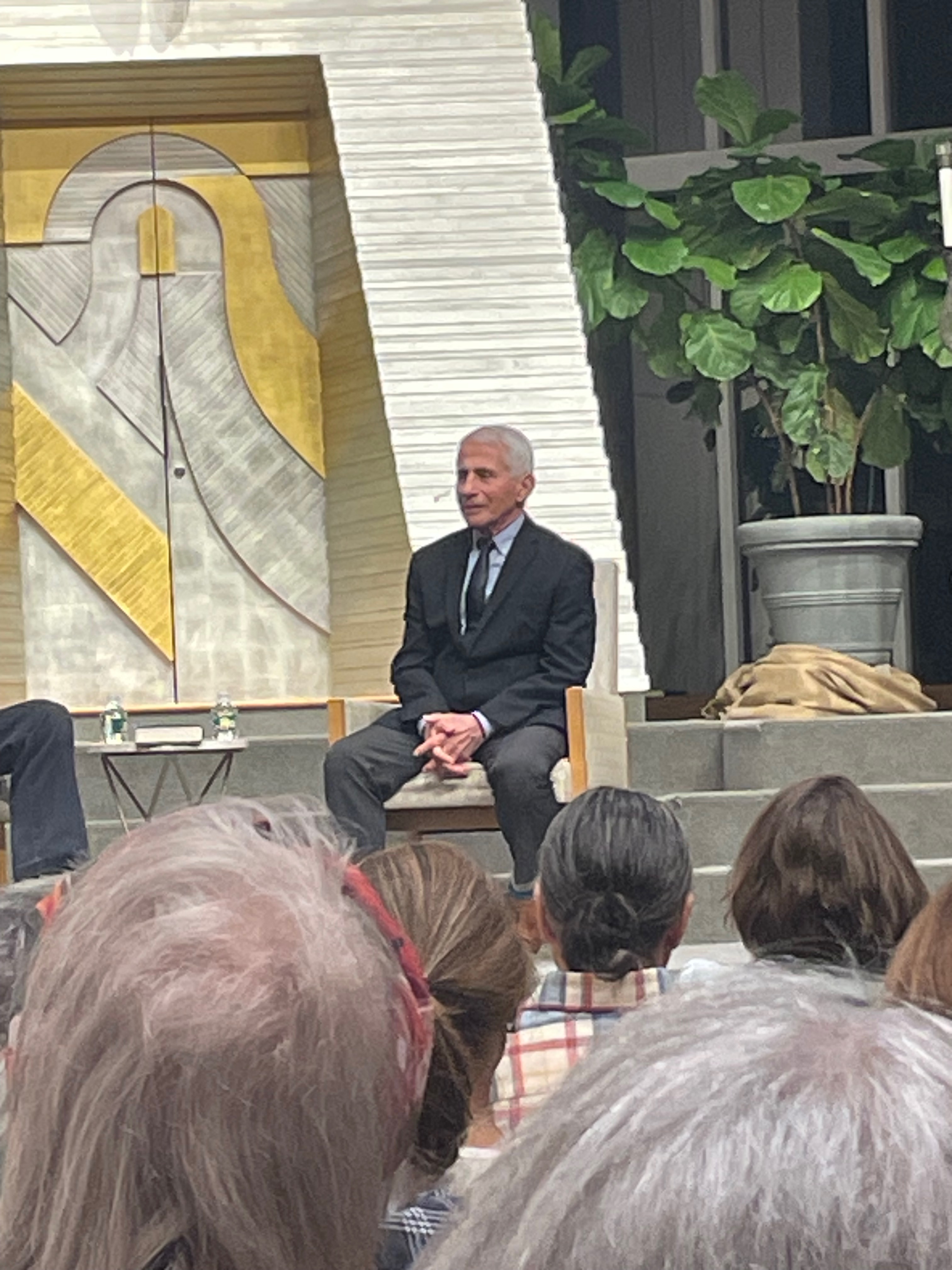
Fauci spoke at a synagogue near where I live. Now the man has to travel with a rather menacing security detail. When I bought the tickets, I got a list of things I was NOT allowed to bring to the event, that included drones and anything that could be used as a missile. Where I was going to put that in my saffiano leather Dooney and Bourke hobo bag is anyone’s guess. Needless to say, I was not bringing any of my myriad of cameras, a fact that pained me. Pics or it didn’t happen, right?
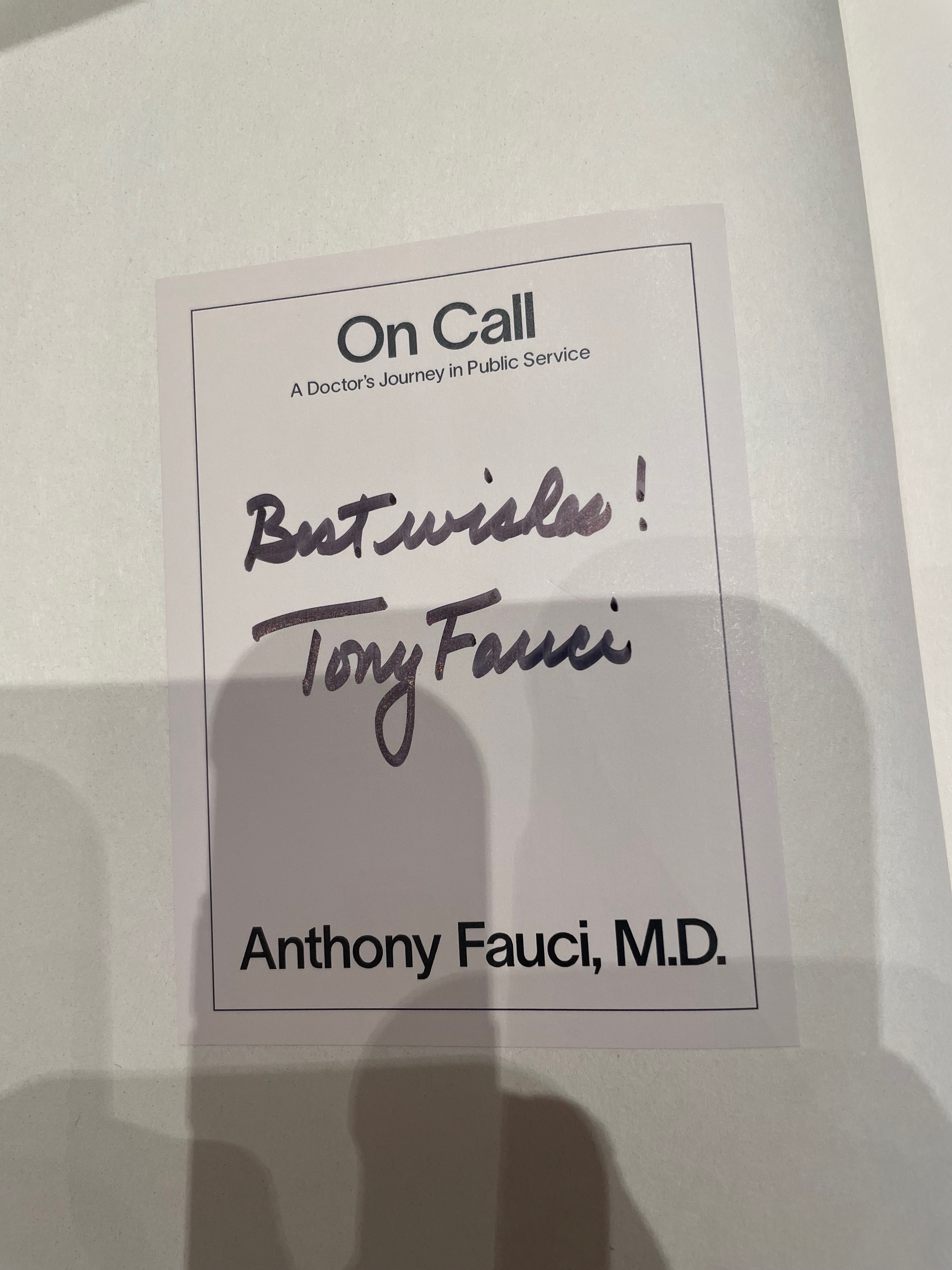
I had hoped that we would have a little meet and greet with the good doctor, and I could tell him how we knew each other from the old neighborhood. But alas it was not to be, partly because of the threats against Dr Fauci. We did receive books signed by “Tony” for each of us.
Sitting at the event, I was struck by how many NPR tote bags I saw. Needless to say, I would probably be one of the few people who would be posting about the event on Instagram. Before the event started, I saw Dr Fauci’s wife and his daughter. I resisted the urge to run up to them and tell him how much I admired Dr. Fauci.
Dr Fauci took the stage and I could have sworn the man was literally glowing. I don’t know if it was the lighting, Dr Fauci’s healthy glow, but the man was glowing. Larry Kramer put him in his play “The Destiny of Me” and called him Tony Della Vida, Tony of Life and that night I really saw why he called him that.
Dr Fauci was being interviewed by Dr. Jerome Goopman, a friend of his and a doctor at Harvard Medical School. Throughout the night, Dr Fauci told stories about his career as a doctor. He even said that one point that when he was at Cornell Medical school, that all he wanted to do was stay in the vicinity of York and 69th street. I almost stood up and yelled out — you and me both Tony!!!! You and me both!!!!
The thing that struck me during the event was how funny and charming Fauci was. Yeah, this is a really cheesy love letter to the guy and no I am not a stalker but he made this really funny and intelligent observations on his career, dealing with various less than hospitable people on all sides. What really got me and brought tears to my eyes was how emotional he got when he described his early work with AIDS patients, trying to save their lives and largely at the time being unsuccessful. He had gotten emotionally attached to many of them and it wasn’t this cold detachment that you see with a lot of doctors. He truly cared about those people and that shone through.
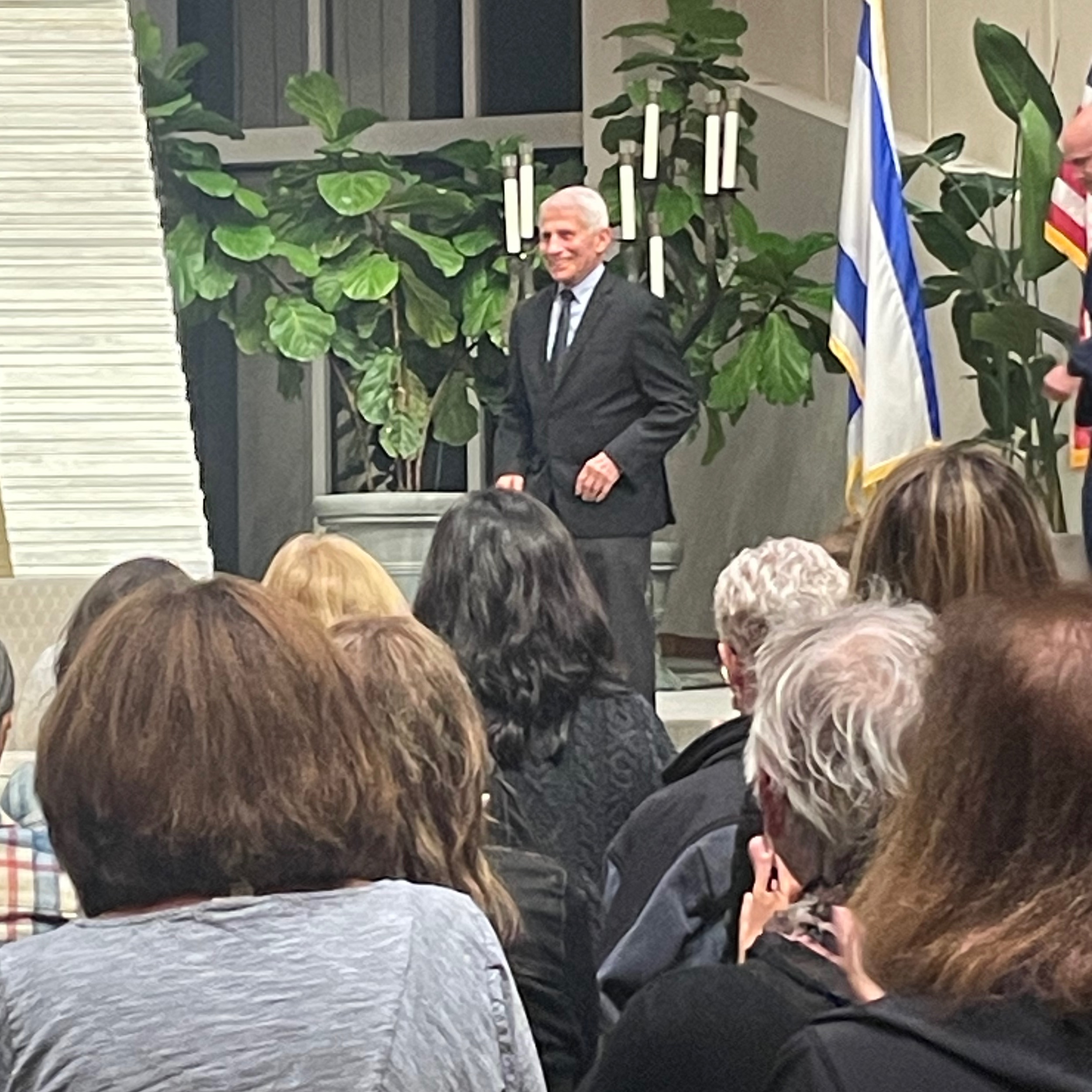
At the end of the event, everyone gave Dr Fauci a standing ovation. At that moment, he really glowed and tears welled up in the man’s eyes. I wish I had gotten a picture of that, but alas the moment was so fleeting that it will have to forever reside in my memory.
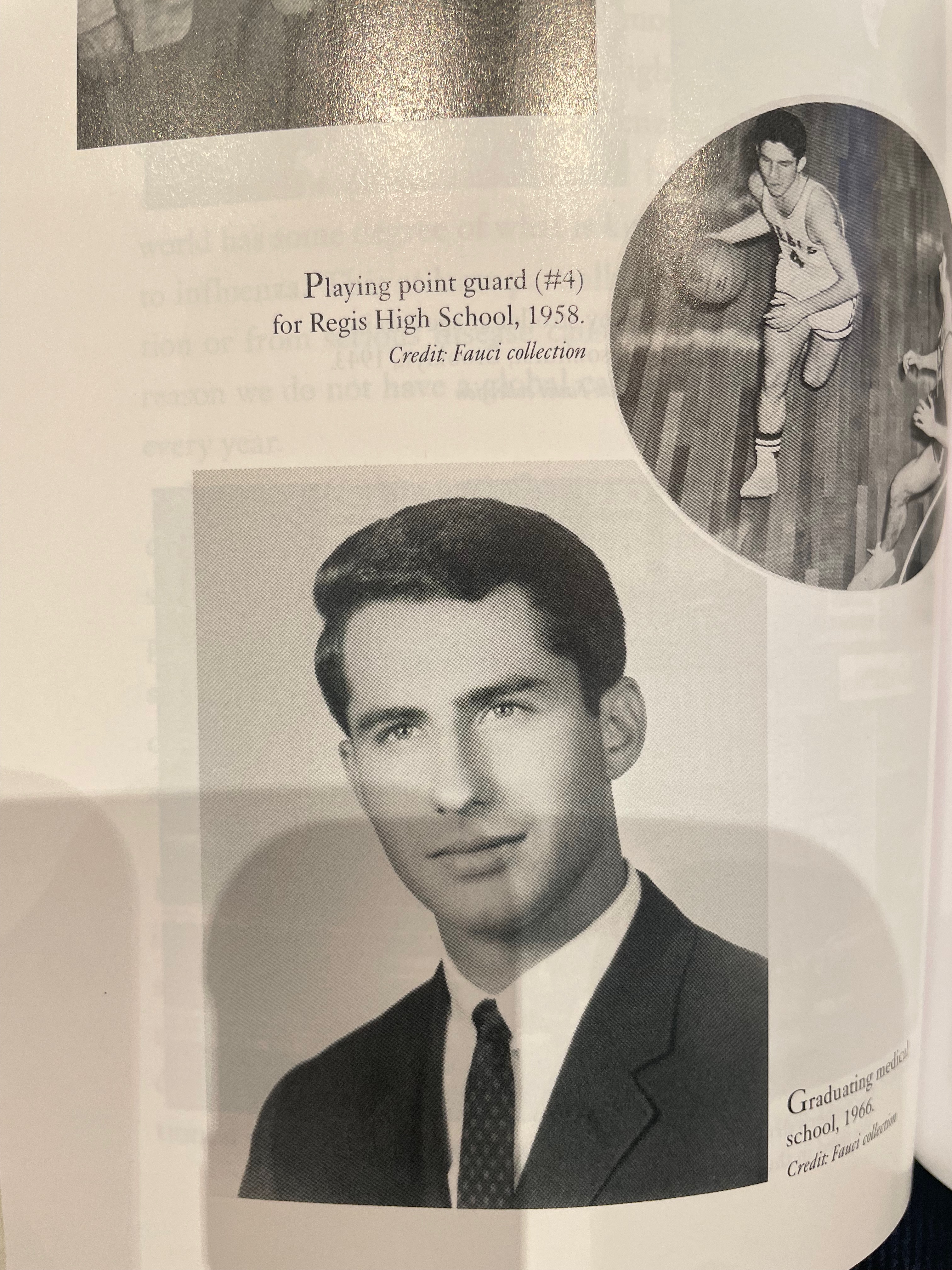
Here are some less than quality photos I snapped of Dr Fauci that night, including the book they gave us with his signature in it:
Here’s a picture of the Queensborough bridge, from that beautiful spot on the East River, which I am sure Dr Fauci also looked at a lot while going to medical school at Cornell:

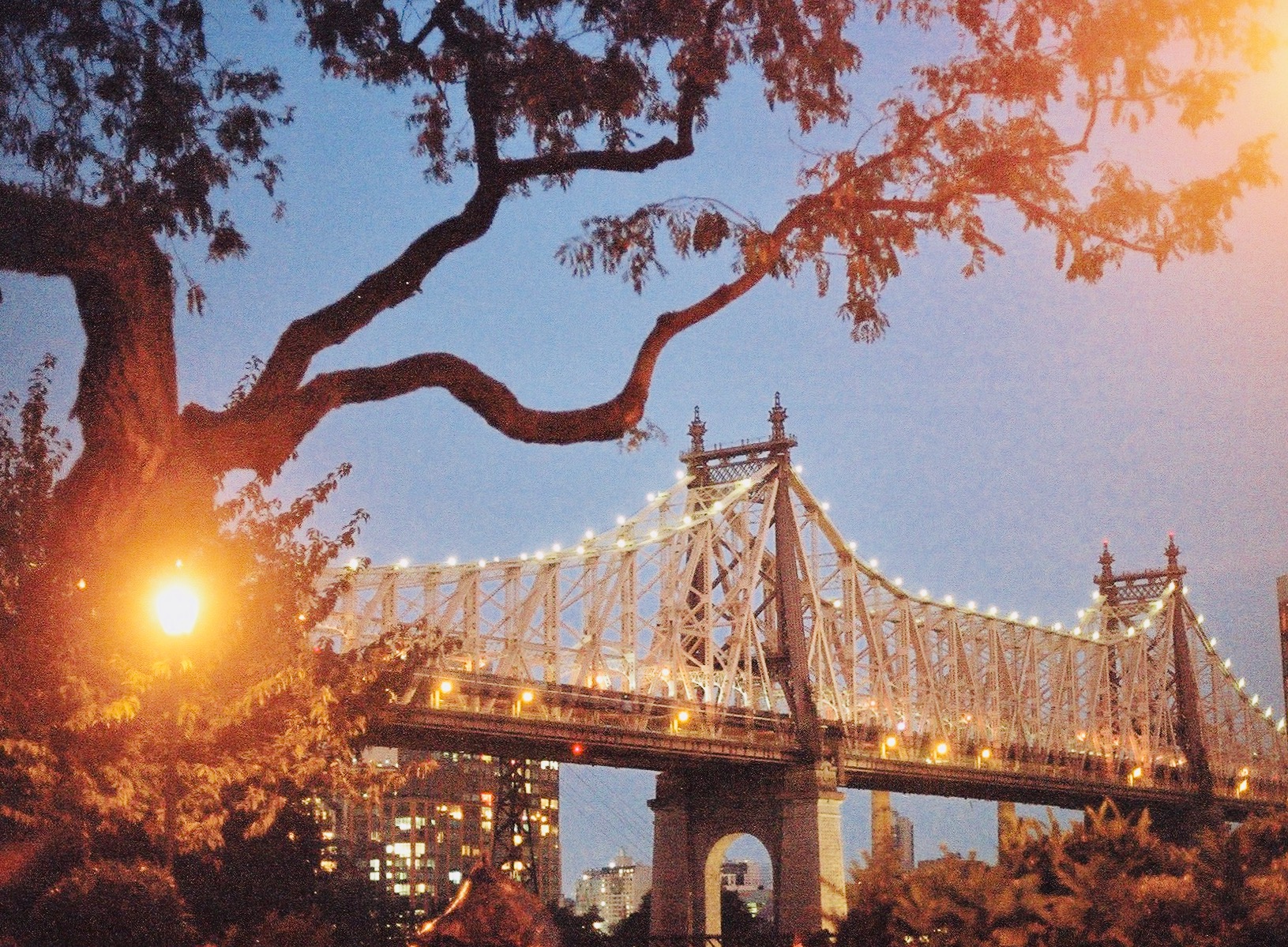
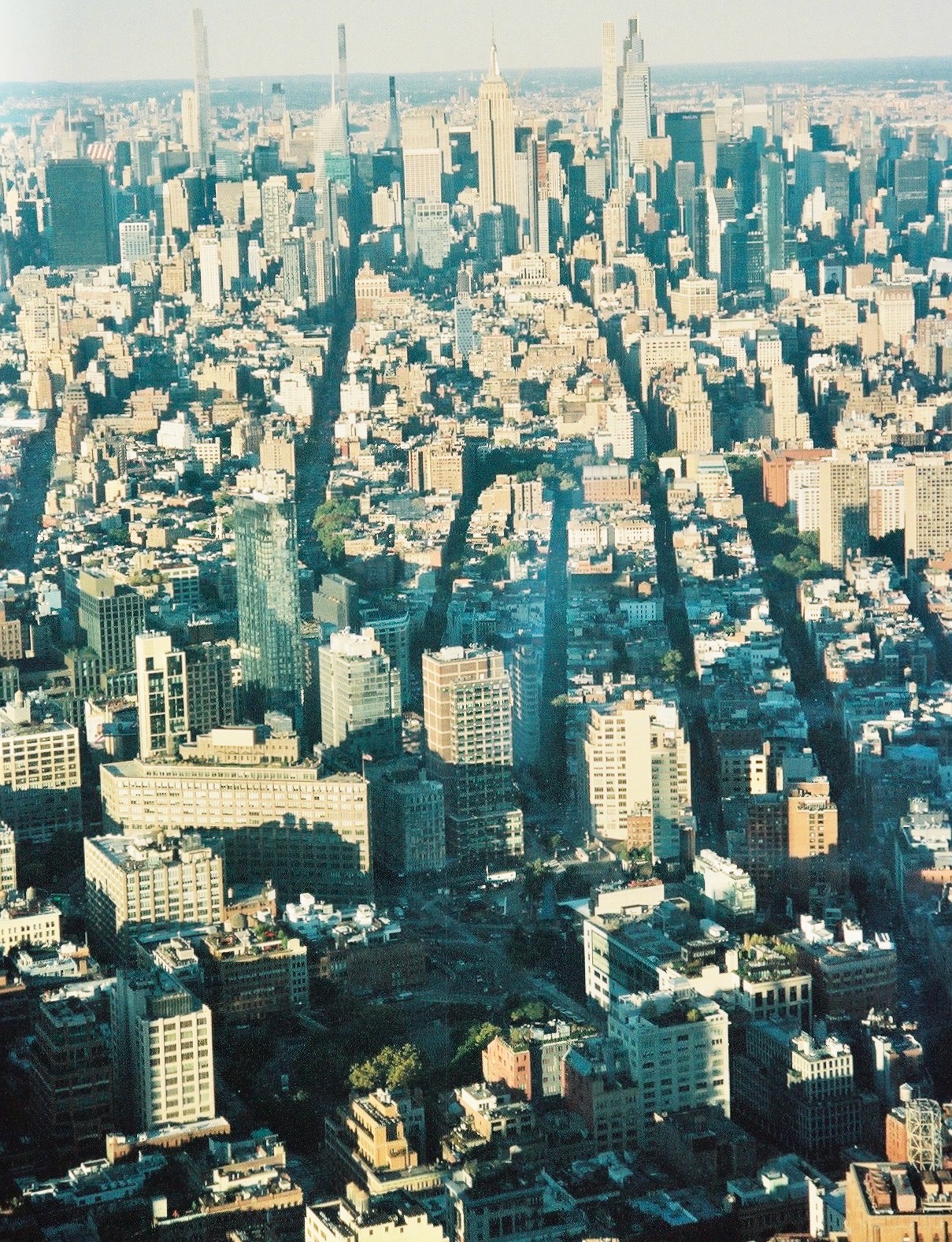
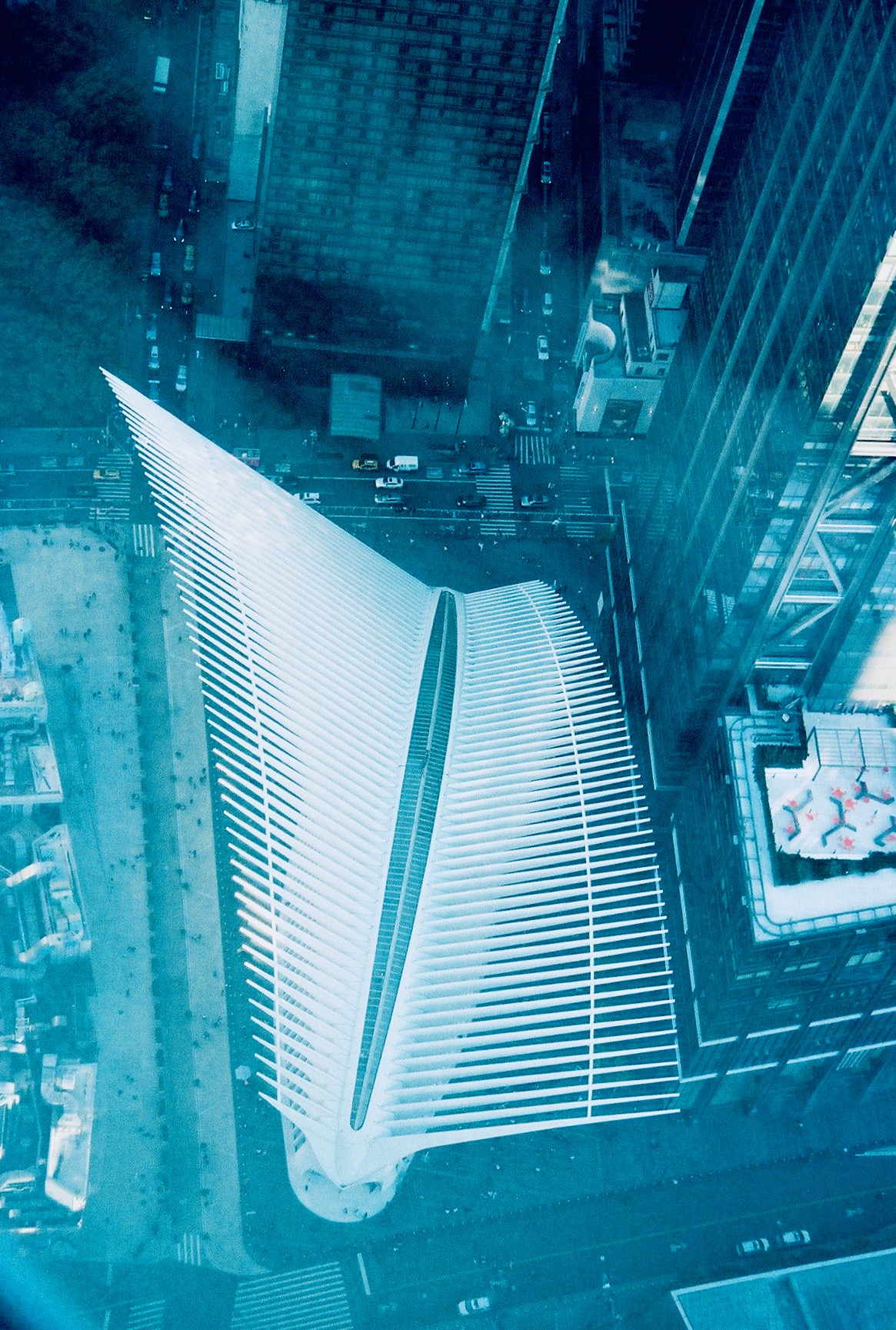
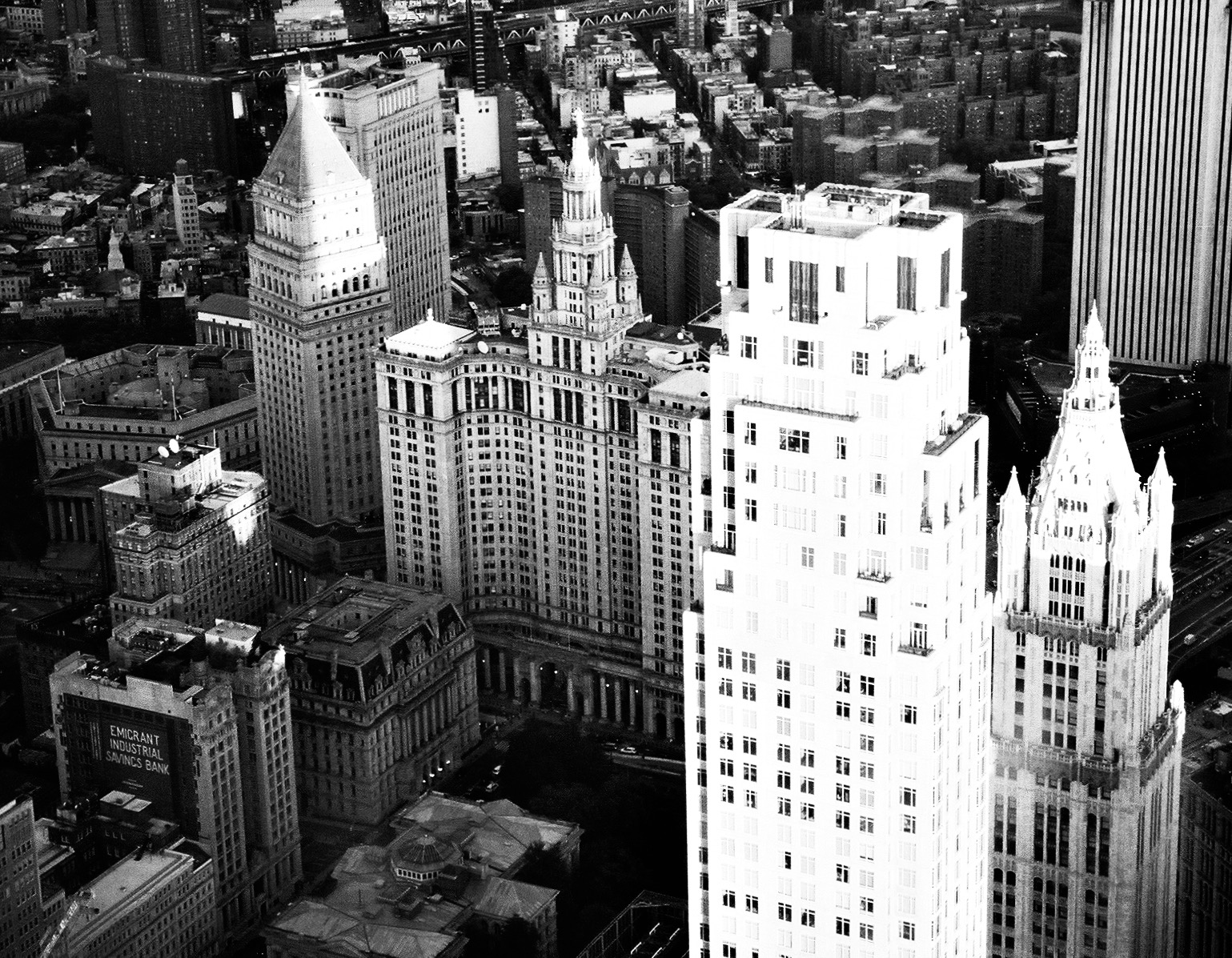
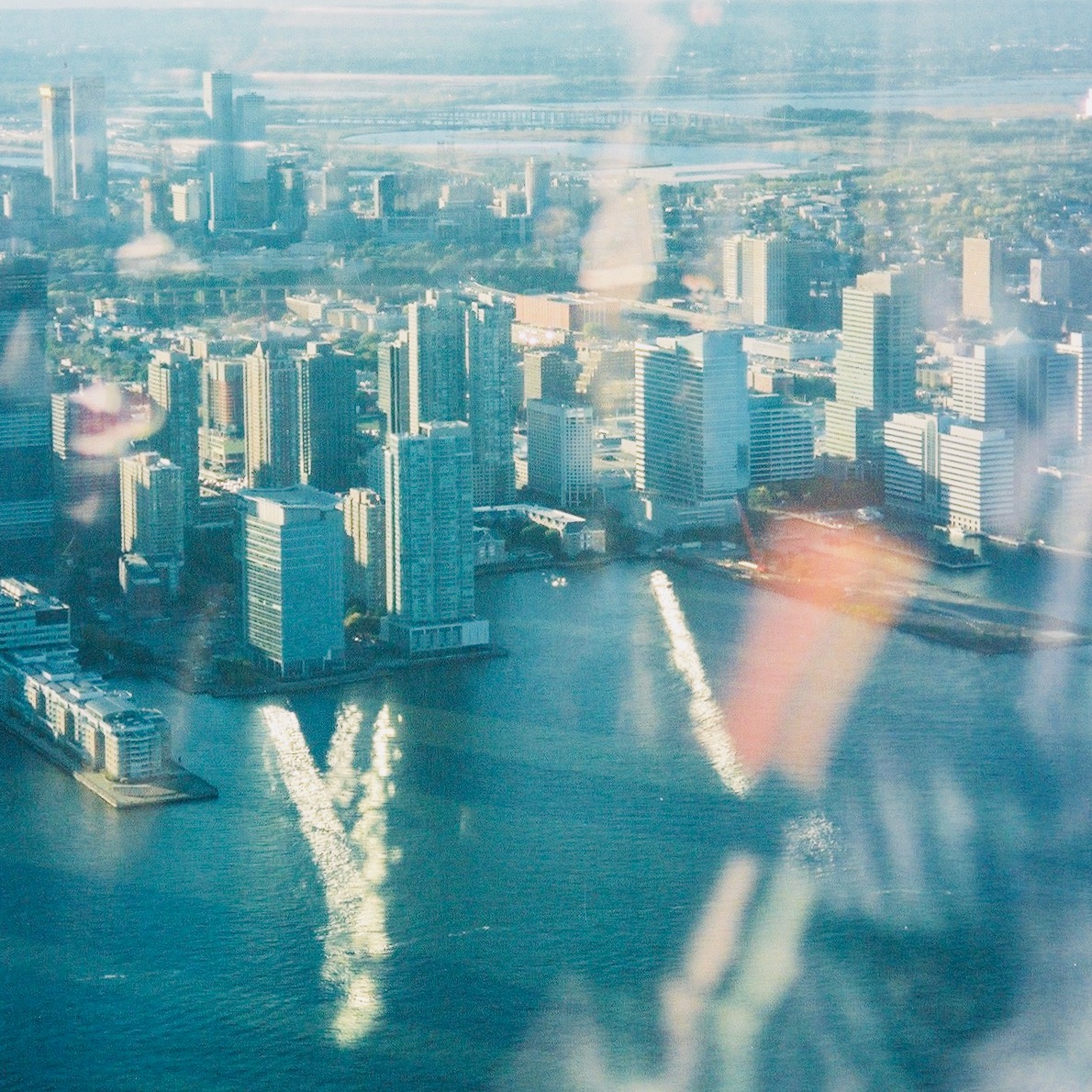
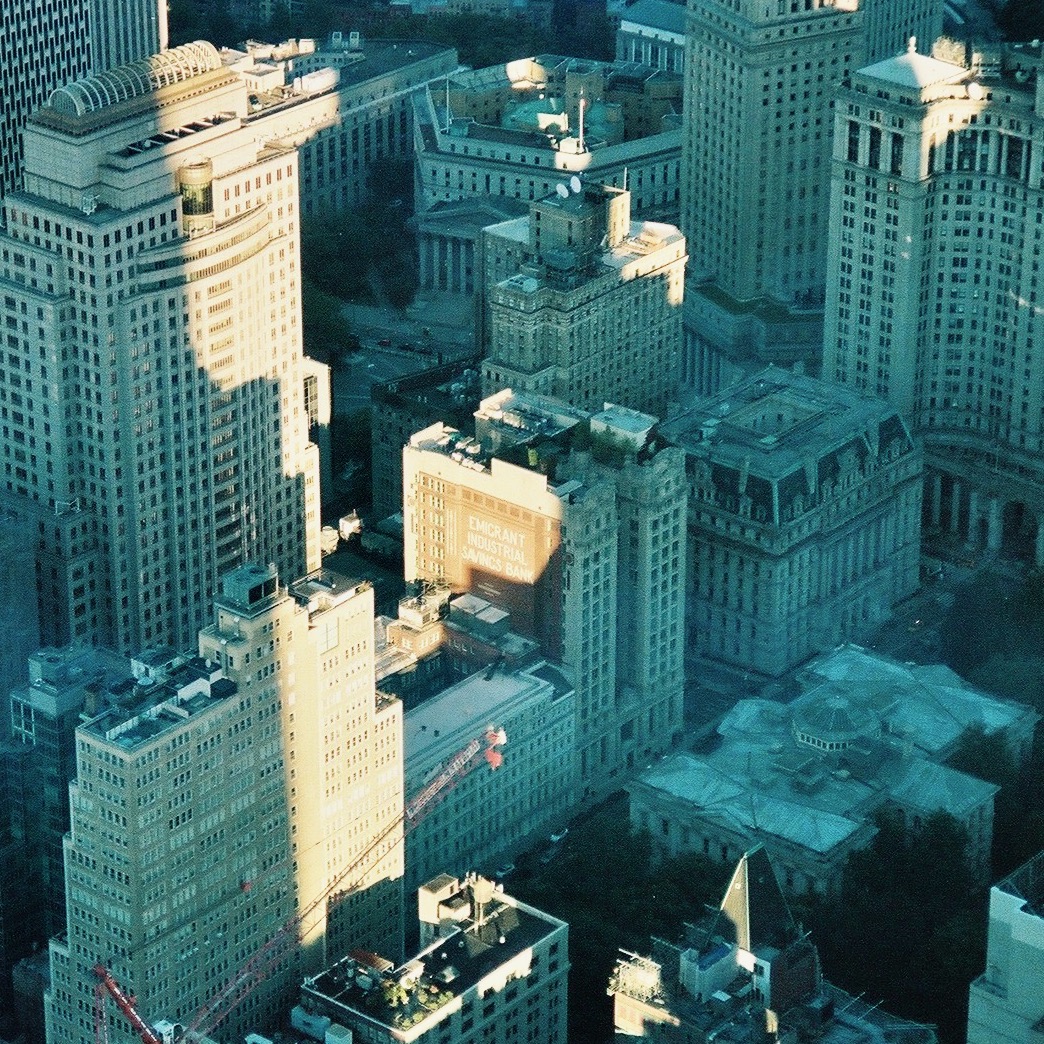
And finally, here are some film pictures I snapped of New York recently. Larry Kramer once said that one of the most complicated relationships he’s ever had in his life has been with Dr Fauci. I have several people in my life who I share similar complicated relationships with, but I only have a complicated relationship with one city and this is New York. But deep down, I do love the place.





 wrong side of the camera