As is the way now, I came home a couple of days ago and Netflix had already picked my programming for the evening and at this point, who am I to disagree with the robots? The robots are controlling our shopping now and writing all of our papers. I mean a robot or ChatGPT could be writing this right now. You don’t know. It might be true. You might be impressed by shockingly good prose that it turns out is written by an AI thing. Thing. I don’t have a better term for it.
Well I hate to disappoint you, but it’s still me, writing from my undisclosed location. A couch. I’m writing this from a couch with a period drama muted in the background. Anyway, let’s get ourselves back on track. Netflix picked my evening programming, a nice little documentary called “Squaring the Circle” about a graphic design collective called Hipgnosis, a graphic design collective active in England from the 1960s to the 1980s. They designed the cover art for some really famous albums at the time, including the Pink Floyd cover featuring two guys in suits. OK that’s pretty normal. Did I mention one of them is on fire? I did. I did not. They did a lot of other famous covers, but that one is the most memorable.
The thing about the album covers at the time was that they were actually done by hand. Digital photography was a long away dream, Photoshop perhaps a far away idea. If they wanted one guy to be on fire to photograph, well, one of them had to be on fire. If they wanted a double exposure, well, bust out the Rolleiflex and take some double exposures. The covers are graphic dreams that somehow embody the bands they are made for. It’s remarkable the degree to which they embody the music they are matched with.
I’ve been fascinated by images since I was a kid. As a teenager with nothing much to do, nothing to look forward to and no where to go, I decorated my bedroom floor to ceiling in images. I tore them out of magazines and taped them to the walls. So many of those images still stick in my mind. Back in those days, back in those days when we threw nickels in the Nickelodeon to make it play, people made mix tapes. Sometimes you recorded songs from the radio for said mix tapes. The youth, they will never know the pain of recording a song and having the tape just run out on you. The olden days. Simpler times.
After a while of making these mixtapes, I started putting little covers on them. Of course my life was already occupied by cutting out pictures from magazines, so I continued that. I kind of applied a design aesthetic I liked to the covers. I remember one I made had sofa cushions on it and I put a title on it using the typewriter we had. Typewriter. That’s how long ago that was. Making these covers was part of my quasi artistic pursuits at the time. I was in high school in this desolate barren landscape and the powers that be decided I wasn’t an artist, so I did what I could to express that particular side of me. I was already interested in photography but I thought SLRs were too complicated to use. I did have two point and shoots. I had shot maybe five, at most ten photos that turned out how I liked.
As I got further into photography, more and more I associated images with music. Even now if I can associate a picture or a film with a piece of music, I enjoy the music a lot more. I loved the show Gossip Girl, at least the first season, before it got completely ridiculous because the visuals in the show were unbelievable. I was 30 when the show premiered, far out of the demographic the show was intended for. I was living in Sweden when the show premiered and I missed New York. A LOT. The show kinda brought me back there in a great way. I had no idea what music was still even popular at the time, so the show filled me in on what the youth were into at the time.
In one episode, Serena become a debutante, complete with snotty, stuck up blond grandmother there, disapproving of her bringing Dan Humphrey of the Williamsburg Humphreys. Sure the show was corny and a tad over the top at times, but the visuals were flawless. At Serena’s debutante ball they played a song called “Secret” by a duo called the Pierces. It is a stunningly beautiful scene, with the dancing and the intrigue on the floor. The Pierces made a video with the song and I saw it and thought it was completely wrong for the song, because I associated it with the beautiful scene and the actual video didn’t match the picture I had in my head.
So as usual, as I’m watching this documentary about the album covers, I started thinking about the pictures I took during Eat Pray Herman. I hauled around four cameras on the trip. Nothing makes me happier than hauling around an insane number of cameras. I got some incredible shots on the trip, but at one point I did think — why do I take pictures? I mean souvenirs, artistic expression, all of that. The cameras got a real workout during the trip. The Rollei saw some action in Florida, Iceland and Washington/Virginia. I bought a roll of black and white infrared film in New York. I had to buy a lead lined bag for it and couldn’t load it until I got to Florida. I had to take a dark bag with me to load the film in. Oh and to get the really good effects on the film, you have to use a red filter. I have a 40 year old Canon AE-1 and I had to find a red filter for it. Way too late I realized that I had bought the wrong size filter, so I had to jury rig the filter to the lens with gaffer tape. Good times.
I took so many pictures during Eat Pray Herman and I did wonder why I took all of them. Once I saw them though, I knew why. I knew exactly why I had taken them. Something about these made me think of a mix of island music and rock. This is what came to mind when I saw these pictures:
This picture that I took in Reykjavik really made me think of some kind of warm folk music:
These look like they belong on the cover of an acid rock album. Yes they are both mistakes I made with film. No these are not altered in any way digitally, I guess an homage to Hypgnosis:
Iceland to me just looked like the cover of a Who album or maybe Led Zeppelin. Good album covers for complex, layered music:
This is the shot though that I like to call “The Icon.” Maybe this could be for a Greatest Hits album. It is that beautiful:
These two, both taken in Iceland, would fit well on the cover of an album by a sensitive alternative band:
This one, this definitely belongs on the cover a Jimmy Buffet type album, tropical ease:
These ones, they would go with albums that have music on them that is a bit strange for people’s tastes, a bit out there:
This one belongs on the cover of an album that is a bit happy and a bit sad at the same time:
This could be heavy metal:
And last, but certainly not least, this one could definitely go on a comedy album or a band that has a comedic, offbeat feel. Where that communism at, Comrade Lenin says:
Writing has always helped me to process things. I’m not exactly sure why.
What’s even funnier is that formatting documents relaxes me. I sit in my office at the university creating lessons almost every single day, and when I get stuck on an idea or I can’t think of something, I make a big document and just start formatting it.
The first time I ran into an issue at work with my lesson and I opened a document and just started formatting, I thought — this is exactly how it was in 2000 when I worked for Herman, with us sitting in that little office on Lee Highway in Northern Virginia. I’m there, working on deadline, ordering food with my coworkers from the Lost Dog cafe.
It’s 23 years later and I’m teaching at the university and I’m still there in my mind, in that little room with Herman and my coworkers. By no means was that an easy time in my life. I was 23, just freshly having been dumped by the guy I thought I would be building a relationship with, feeling like life was over, when I worked there. I was happy at work but unhappy otherwise, not fitting in anywhere, least of all with all those Oxford shirts at the Hawk and Dove. The Hawk and Dove. Feels about a million miles away, distant and remote as the moon.
A couple of days after Herman passed away, I was sitting in my office trying to solve one of my myriad problems for the day and I opened up a document and just started formatting it, like I usually do. I always figure that whatever problem I have, I’ll just open a document to solve part of it and suddenly I come up with a solution. The thing that time though was I finally figured out why I did that. It was what I did when I worked for Herman. In my mind I’m still back in that office and somehow this was a safe place for me.
Grief though. Grief is weird. I don’t know if there’s a better way of describing it. Grief is just weird. You are ok for a while and then it just grabs you again, when you least except it to. In these months after Herman’s passing, I have had to deal with it in a way that I hadn’t had to previously.
I don’t even want to remember the day I found out when Herman passed away. It is just randomly somewhere in March, but otherwise I don’t want to remember anything about it. When I found out, I went to my parents house for a week. I remember the first night I was just sobbing. Sobbing. I told my parents that I would go downstairs (where my sleep area is) and I might not come back for a couple of hours and they just need to let me do that. My parents gave me the space I needed and I am so grateful to them for that.
But then something funny happened the second night at was at my parents. A friend of Herman’s who I also knew quite well messaged me on Facebook to ask if I had heard and yeah, of course I had heard. She called me and expected to have a ten minute conversation with her. We ended up on the phone for two or three hours. I didn’t keep track.
Over the course of this conversation, we told every Herman story imaginable. His plays being produced by Edward Albee. The fact that he may or may not have a child in Norway. He was a background extra in a Keanu Reeves movie. Tales of his ex-girlfriends who have nicknames that cannot be mentioned on this blog. “Did he take you to Gatorland?” Of course I went to Gatorland with Herman. I mean who doesn’t want to spent the day in a place that is the temperature of your average sauna or Bikram yoga studio that is built for lazy, scaly small brained potential killing machines? This friend mentioned that the Gatorland trips were his test. A test? Alligators are awesome. Who wouldn’t want to hang out with them for a day and watch them eat entire supermarket chickens in one go??
During the course of the conversation, we realized what a profound character we had been friends with. He was alive again between us for that moment. We had gone from being in utter, unending, inescapable grief to laughing about the guy.
The next day I got a message from another woman. The message was telling. We’ve never met but I feel like I know you. He had mentioned this woman many times and I felt the exact same way. I had never met her but I felt like I knew her. The next night I had the same conversation. She had known him since college, so even longer than we had known each other. She told me the full versions of some famous Herman stories that I had just gotten the summary, years later version. And we laughed our asses off, of course. I started feeling better. The grief was still something unbelievable and just inescapable but now it was becoming somewhat easier to deal with.
A couple of weeks later, they held a memorial service in Virginia Beach for Herman. I made my mom go with me. My mother knew Herman and loved him a lot as well. It was really important to me that she be there.
I did not want to get on that plane. I did not want to be there. We stayed in a hotel that smelled weird. I was upset. A portrait of a giant televangelist greeted us in the airport. Bode well this did not.
But something happened at the memorial service that I had not anticipated. It was almost remarkable. I met the other women he shared his life with. I knew some of them but I met others who I had only heard about before.
Oddly, the memorial wasn’t sad. Everyone was hugging and exclaiming — OMG!!! I heard about you!!!! Even before the memorial started, the other women in Herman’s life were heard to exclaim — OMG!!!! That’s her??? I’ve been hearing about that forever. My mother didn’t really know what hit her watching all of this.
What struck me as well was that I had this whole life with Herman. We had been to Virginia Beach together and I had met his family there many times. We had friends in common, this whole life that we shared.
The memorial started out a bit sad but as it went on, it was just hours of sustained laughter. I mean it NEVER stopped. Herman always told the story about his ex-girlfriend who he suddenly drove back to her house after her father had had a heart attack. Herman always said — she went to College of Notre Dame of Maryland. He always said that she had gone to “CONDOM college.” So when I saw her and said — OMG, you are the one who went to “condom college.” We were ALL laughing.
Soon enough the speeches started. Soon enough we realized that we all had the same stories. We were yelling out parts of the stories and laughing at the wrong places when everyone started talking. We also realized that it was all women reminiscing about him. By the end of the night, we had a group photo. And we were so happy.
When the memorial happened, a group of us formed a messaging chain to just get information out about what was going on logistics wise when we were in Virginia Beach. After it was all over, I suggested we keep the messaging thread going.
Along the way, one of my friends came up with a really great nickname for us. She started calling us “the sister wives.” It stuck. We were Herman’s sister wives. Solidified in this way.
Our messaging channel is still going strong, six months after Herman passed. Recently I found out that Herman had shared the secret of the best halo halo (Filipino dessert) with another one of the sister wives. She had halo halo with him at an authentic Filipino place and that halo halo had 17 layers by her telling. I had been begging Herman for the secret codes to the halo halo for years and all I got was some supermarket halo halo that gave me an idea of what halo halo could be, kind of a Cliff’s notes of halo halo. Turns out he had shared the codes with another sister wife.
I told my church community that I would leaning on them more than ever after this happened. The pastor said two things to me that really comforted me. First, he said that grief fills us but we eventually grow bigger than the grief. The second thing they said to me was that I might have lost Herman but I had gained four other friends. I knew it would take time before these statements had any meaning to me. I learned this from a lot of the things I hear in church have meaning over a longer stretch of time, not immediately in the moment. And this stuff was comforting. I feel like that I am growing bigger than the grief and I am starting to see the things that are growing out of losing Herman.
The months since Herman passed haven’t been easy. So many times, even now, I wish I could just talk to him again. He was always able to give me advice in a way that no one else was ever able to, especially when it came to work stuff. I ride a bus down Commonwealth Avenue every day when I leave work and I sat on that bus so many times and I thought — I am ok. Herman is gone but I am ok.
Somewhere in there I thought — what about doing a trip this year? In 2021, Herman and I took this hilarious roadtrip through the south. Last year I went to Washington and Florida in late August. The idea of this trip continued to percolate in my head. Where could I go? What could I see?
In August too, work got rough. It was a rough summer. Summer in Boston has always been just a magical time here, with sunsets, new experiences and things that seemed unbelievable as they happened. This summer though was just work. It was the first non-magical summer here. I’m a positive person, sort of feeling full and happy most of the time but it was a rough summer.
At the end of the summer, work got kinda rough. Not super rough but things got rough. The thing was that usually I would have called Herman to talk about it and get his advice but I couldn’t do that. And it was really really hard realizing this.
Throughout the summer, when things got hard, I would work on my summer trip schedule. I revised the trip schedule many times. Initially I was thinking of visiting my sister wives but logistically it wasn’t going to work out just then. Did I mention the salting away of the savings? Yeah. Very little summer fun but that doesn’t really matter. I hang out in my neighborhood most of the time and cook at home. My life is super boring now and I could not be happier.
Throughout the time when I was scheduling the trip, I kept thinking — this is my Eat Pray Love, a book I hadn’t read that was transformed into a movie that I didn’t much like. But I saw the parodies of it on my beloved Rich White Lady instagram page. I love you Nicolas Flannery!! He’s continually parodying the suddenly single woman who goes out and looks for meaning by traveling, eating and maybe praying. Except I’m not suddenly single. I lost my best friend. So I decided to name the trip “Eat Pray Herman.”
Eat Pray Herman went through multiple revisions before I decided on the final itinerary. Every stop had meaning for Herman in one way or another. I chose New York to start because Herman grew up nearby and I had gone down a major YouTube rabbit hole of all of these places in New York that I wanted to visit. Really un-New York places, places that look more like Europe than New York. Relics of New York’s Colonial past. Some deep history stuff. Herman would have loved that. Oh and for the eating part, pastrami at Katz’s Deli, which Herman also would have loved.
The next destination was really not on the original plan and there’s a short story about it. In 2007, right when the “Iceland is cool” thing started, I spent an hour at Keflavik International Airport in transit to somewhere else and decided I loved Iceland. One hour in the airport. That’s all it took. I forever regretted not exploring Iceland. Around that time, I met this older doctor from Iceland and he said — in Iceland, we charge the least amount of money possible to get to our country and then we take all of your money. More prophetic words have never been spoken.
Fast forward to last year and I was having a conversation with the pastor at my church and out of nowhere he says — we have a relationship with a church in Iceland. I nearly fell out of my chair. Iceland was the one country I had always wanted to visit, always wanted to explore again. The pastor next said that in a year or so they were planning on sending some church members over there. I thought — when this happens, you are absolutely going. Suddenly, and I have to believe that this might have involved the hand of God, a trip to Iceland had just popped up.
Even more interesting is the fact that Herman actually visited Iceland in 2002 and loved the place. I took a picture along of Herman to photograph in different places in Iceland, to have him there with me.
The next destination was Washington DC, about which I have done a wholesale reconsideration after thinking I kinda hated it there when I lived there. I’ve realized recently that I have a lot of happy memories from the place. Obviously also this is where I met Herman as well.
My final destination was to be Orlando, Florida, home of my weird best friend and his gigantic Venezuelan family. I first visited Orlando in 2008 with Herman on our first road trip, where I was introduced to Gatorland, the Waffle House and souvenir stores that look like space ships and wizards. Oh and South of the Border in Collins, South Carolina. Did I mention the Peachoid???? How could I have forgotten that. Herman’s father and a lot of his family members live in Florida, so it was a natural destination for that reason too.
Like I said, it was a rough summer and by the middle of August when work winds down, I felt empty. All I kept thinking was that the trip was going to maybe make me feel whole again. I mean you aren’t supposed to use travel to solve your problems. I mean that’s what I had always thought.
I guess I wasn’t really going to use the trip to solve my problems. What I wanted to do was get some space, some time to think and to reconsider a lot of things. I also wanted to trod the soil of new places I have never been before, see sights I had not seen before and move and feel things I had never felt before. Eat Pray Herman did accomplish that for me.
There will be four separate entries about this trip because what I experienced and saw on the trip. For now, here are what I think are the four best photos from what I saw on the trip. MUCH more to come.
I’m going to start the entry off by saying that I love my job. I mean really I do love it, but the best feeling in the world when I close the door and I am in my own little world. It will sound corny but I make dinner every night, actual real life dinner, not TV dinner or takeout. Actual dinner. Pots and pans and salt and pepper.
I’ve taken to calling my time when I get home as “creativity time.” I’m not so prolific anymore with the blog posting, not because I’m getting lazy. Rather I want to weave some kind of creative narrative around the pictures before I post them and sometimes that takes a while to come up with. And I’ve revived shooting with film, so it just takes longer to get my film back.
Like millions, if not billions of other people, I come home, flip on Netflix and well, the service shoots some kind of programming at me. Recently it recommended a movie called “Shirkers” and I cannot get it out of my mind for so many different reasons, most of course photography related.
I was out a couple of days ago shooting with my little weird half frame up by the Chestnut Hill Reservoir and I returned in my mind to “Shirkers” and honestly this is one of the most remarkable movies I have ever seen and so different from anything else I have seen for a long time. So much to feast on visually, intellectually and mood wise.
The simplest way to explain the movie is its a documentary about three young women who were 18 in 1992 and made a film called “Shirkers.” I was 15 in 1992, so these people could have been classmates of mine. They are now around my age, the same or different as they were a lifetime ago. The plot of the movie was a road movie around Singapore, where the three young women lived at the time, where the main character is a killer. But the plot isn’t even really the center of things. For me as usual it’s the visual and color story. And there’s a detective story aspect to the thing, but we’ll get to that.
The documentary weaves the film footage with present day life. It’s the film footage that really caught my eye. It has this absolutely dreamy fuzzed out film look about it. And the color palette is absolutely amazing. The film has this warm glow about it. And the bright colors are incredibly bright. I can’t really describe the color story. I guess it’s full of just primary colors. It’s Singapore, so full of these lush scenes of vegetation. Seeing Singapore as well brought to mind Europe and Asia at the same time, modern and old. In the eyes of these filmmakers, I bet it’s just “boring old Singapore” where they grew up, but to me it’s this technicolor wonderland.
What I particularly loved about this movie is that it plays into what I really love about photography, filmmaking, chronicling. I see other photographers work now and some of strikes me as much too precious. A lot of people call themselves photographers now but the images they produce are so shined up and polished and perfect. A lot of these pictures I see now call to mind more computer screen savers than actual examples of how these people see and interpret the world. Watching this Shirkers movie, I really saw myself in these filmmakers, photographing and filming inside tunnels, at car washes, on empty highways, their favorite bakeries and mannequin shops. They shoot scenes in a supermarket, with its green fluorescent light.
When I was at the Chestnut Hill Reservoir a couple of days ago, I looked around at the people walking around the reservoir. With my little half frame, I started photographing them. I started photographing the people lying in the grass near the Reservoir. I shot a swimming pool near the Reservoir. I stood there for a while and thought maybe this world is really like Shirkers, just little corners of experiences. I also thought about photography, where it’s much more interesting to shoot things like that than it is to shoot these perfectly flawless scenes. To me, corners, sunsets, abandoned things and mundane things have always been much more interesting that massive vistas, landmarks and shallow depth of field flower or animal pictures. I always joke that I’m not the precious photographer. Half the time my camera is covered in ice cream or whatever I’m eating at the time. This really happened. I am not making it up. Many times this happened. A couple of days ago, I put my coffee commuter cup into my handbag with the aforementioned half frame, just to discover a bit later than the entire cup had spilled into the inside of the handbag and the half frame smells like espresso now. I just cleaned it off with an alcohol wipe and it was back in business.
Back to the aforementioned “Shirkers.” Me being the photography weirdo that I am is there busy watching for all the visual stuff, shamelessly stealing ideas for future photos. The story too in the film, which slowly unfolds, is engrossing on its own. The three young women, teenagers basically, make this film, really a labor of love and really all they have because it is 1992, film making equipment and reels upon reels of film are difficult, if not impossible to get for non professionals with no means. They make the film under the tutelage of a mysterious man named Georges Cardona.
Cardona cuts a really interesting figure in the movie. His origins were obscured. He seemed to tell a lot of tall tales. He seemed to have an interesting personal life. And in the end, he becomes the villain of the piece. Once the film is finished, the three women take off to different corners of the planet, leaving Georges with their film. He’s supposed to edit their film and show it to them as a finished product. Instead he disappears without a trace. Honestly I don’t know how these women dealt with that, because I would be pretty angry if a person did something like that to me.
Years later, they find out that Georges has died and his wife or companion has the film of their movie. There is no sound to this movie they soon realize. Georges has taken the voice track for “Shirkers.” The film delves interestingly into Cardona’s life, which seems to be filled with half truths, tall tales and things left unsaid.
I guess with this new inspiration floating around in my head, I looked at some of the film I got back recently from the Cayman Islands. We went on our annual sojourn down there. I was supposed to bring a favorite medium format TLR. Instead I brought my Canon AE-1. I brought a backup panoramic medium format camera. Yes I travel with that man cameras. No my neck does not get tired from all of those cameras. So I decided to shoot the roll loaded into the camera, just for some film fun and I dragged the camera all those miles, hey why not shoot something.
As I looked at these though, Shirkers did come to mind. They have this dreamy haze to them. They capture maybe some less beautiful parts of the island. But the pictures are a chronicle, not an art piece. Corners, memories, rather than ultra sharpened laminated looking images. Honest and imperfect in their very form.
The Cayman Films, I guess that’s the title if you like:
This is going to be a long, corny love letter to the city of Boston. If you aren’t in the mood for that, or are not a reader or for some reason, hate the city of Boston, scroll on down for this year’s wall to wall coverage by Wrong Side of the Camera of the 127th running of the Boston Marathon.
(A month and a half late. Sorry!!!!)
OK the long corny love letter starts here. On April 15th this year, I’m walking home and getting taunted via text by my chauffeur and friend Fred. Fred has been teaching me how to drive for a few years. Ok to be more accurate, he has beaten the driving into me. As a senior lecturer at one of the most famous universities in the world, I can tell you that Fred’s teaching methods are, um, unconventional to say the least. When he was teaching me how to parallel park, he would open the door to the car and yell out — you’re too faaaaah!!! You’re too faaaaaah. So I’m ready to take my test but due to a bunch of stupidity in my life and because of this stupid rule here that you can only take the driving test in a vehicle with hand break in the middle of it, me taking the test has been delayed a few times. So Fred was taunting me via text about getting my test done. The next part is perhaps the funniest.
I’m walking home to my own house on my own street when a taxi stops in front of me and Fred sticks his head out the window and continues to taunt me about the license. Live. The text taunting turned into in person taunting. Our exchange ended with me yelling out, jokingly that he was psychotic.
I came up the stairs that day laughing about how Boston that whole exchange was. This is the absolute definition of this city. Everyone knows everyone. Your idiosyncratic chauffeur finds a way to taunt you on your street and you retell this as a hilarious story. Your idiosyncratic chauffeur taunting you on your street, coincidentally driving by your house. Welcome to Boston.
I met Fred four years ago when my Lyft driver didn’t come to pick me up to go to Sunday River, for one of my 4am ski trips. I was pissed to say the least so after this happened, I started calling all of these numbers I found on the internet. This gruff voice picked up and I said — look. I have a really weird request. I need you to pick me up and drive me to Back Bay station at 4am for about five Saturdays in winter. All I heard was — I put you in the book. Customer service, level Polish. But Fred showed up and slowly this friendship evolved.
Fred is an interesting character. The man really dislikes the letter R. I mean really. It’s a big dislike, I mean I really think it must be because he only really pronounces it when it’s at the beginning of a word but anywhere else, forget it, you are out of luck. He really has an aversion to this letter. Fred worked for the MBTA for 20-something years and has an absolutely encyclopedic knowledge of every single corner of this city. He can tell you in great detail where anything occurred in this city. He special focus is on crime, the locations of famous crimes. Sometimes in my correspondence, I call him “noted local crime historian.” During our driving lessons, he would pick up the phone and take taxi appointments. The only time when his tone of voice would change would be if his granddaughter called him. One time he couldn’t take me out to drive because his granddaughter had her ceremony to get into the National Junior Honor Society. We also reviewed her report card a few times.
This man is Boston to the core. I once watched him chase a man down my street in his car, caaah, because he had hit his car mirror. He cut the guy off and started yelling at him and called the cops on him. What a scene. But what it is about people here, is that this is a person who took time out to teach me how to drive and always makes sure I have a ride home. Last summer when I was traveling, he was watching my flight and texted me to let me know that he was coming to get me. What was really funny was that we were delayed and his text said something along the lines of — you see, your flight is delayed. I actually thought he might be sitting behind me at the time.
We’re getting back to the marathon, I promise. So after Fred’s texting taunts and in person taunts, I got home and turned on Netflix and saw a documentary about the Boston marathon bombing. Now I don’t really want to watch this. I lived this. I have no interest in reliving this. But something told me to watch it.
I put it on and Billy Evans, whose quote is at the top of this entry came on the screen and said those words and I thought — he’s right. Now let me clarify. I am not saying that other cities don’t have fine people. Obviously they do. But something about the way the guy said it struck me. Evans looks like another hard boiled Bostonian, like Fred. But you could tell this guy cares a lot about the people of this city.
As I’m watching the documentary, I started crying. I lived this. I remember every detail. And I’m crying watching this.
Everyone knows the story about the bombing and probably how I lived that day. I was actually in Pennsylvania that morning, attending the christening for my college best friend’s son. It was a fun couple of days and I’d be getting back on the marathon day, my favorite day of the year. I got up at about 5am to come back in time to catch the rest of marathon.
I met up with a friend and we watched for a while from Kenmore square. Not too soon after a woman next to me said that a bomb had exploded at the finish line. I thought maybe it was a man hole cover. It couldn’t be a bomb. A bomb at the marathon? No. Not possible.
We stood there for a little longer. Helicopters were flying over our heads. Then police entered the path of the marathon and told everyone to go home. Before it ended, I saw two people get to the marathon and find their daughter. They must have told her that there had been a bomb. She broke down crying. I stood some distance away and captured the whole scene. It was in a French newspaper a couple of days later.
We were all in shock about what had happened. How had marathon day gone from this happy occasion to this immensely sad one so quickly? My friend and I ducked into a place to get food. The impact of the whole thing really hit me then. It was all over the news. Obama was on television talking about the marathon. People were posting Facebook updates in support of the people of Boston. This was real now. And incredibly sad.
I went to work the next day. Everyone was so subdued and quiet. Two students who I love dearly, a married couple, hugged me when I got to work. The husband was wearing a Boston marathon jacket. He put his arm around me. It was such a nice gesture.
The atmosphere in the city at first reminded me a bit of how Washington DC after September 11. Copley Square station, that I took the train through every day was closed, completely dark. I used to go to the Trader Joe’s in Back Bay and it was now a part of a crime scene.
What I saw in the next week in the city was remarkable. I’m a city person. The thought of living in a suburb fills me existentialist dread. I have lived in big cities for most of my life, save for a few forgettable years in an unremarkable suburb of New York City. I am a city person and a keen observer of cities. I grew up in New York and lived in Washington DC right after college. I saw what happened in Washington DC after September 11. It was really ugly the way people turned on each other. I remember asking a guy why the cab stand in front of Union Station had moved and he just barked at me about how it was about September 11. So weird.
Boston was completely different in that week after what happened. It was as though every single person in the city united to find whoever did this. There were no conspiracy theories. No one said anything in support of the bombers. People were angry at whoever did this and they were determined to find whoever it was.
Honestly I was convinced that they would never find who did it. I mean so many crimes go unsolved every year and I thought this would turn out the same way.
On Thursday, grainy pictures of who they thought were the suspects were released. Looked like a younger man and an older man, brothers perhaps.
Late on Thursday night, someone reposted on Facebook a strange status update from the MIT Facebook page. Shots had been fired on the campus, a lot of them. I went to sleep thinking about this. What could be happening???
The next morning, at 6am, my home phone rang. No one has that number except my mother. I ran to pick it up, just in time to hear that there was a suspect, armed and dangerous running around the city. The city had put a stay at home order in place. No one was to leave their house the entire day. What was happening??? This was unbelievable. I called my parents and told them what was happening. I could not believe it.
I turned the television on in the morning and was glued to it all day. Apparently, these two assholes had carjacked a guy on Brighton Avenue, five minutes from my house at the time. They had been the ones who were firing guns on MIT campus and they had shot and killed an MIT policeman in the process. After that, they had engaged in a fire fight in Watertown. Watertown is two miles from my house. Unbelievable. I mean I had been in Kenmore Square for the marathon. They carjacked a guy on a street five minutes from my house and now one or both of these guys were two miles from my house? Needless to say, I was scared.
I saw the governor on television say that we should stay away from the windows in our houses. The police commissioner would come on the news periodically to update everyone. I had lived right off of Commonwealth avenue by that point for three years and every single hour of every single day, I heard the green line go by and ring a bell. All day, I didn’t hear the train. All MBTA trains had been suspended that day. Eerie silence.
All day every single person I was connected to on Facebook messaged me. People I hadn’t spoken to in years messaged me to check that I was ok. I opened a Polish newspaper called Gazeta Wyborcza, the Voting Newspaper and the front page was a picture of Kenmore Square, completely empty. Completely. All of these places around Boston that I go to all the time on the front cover of the biggest newspaper in Poland. Surreal.
Throughout the day, Ed Davis, who was the police commissioner at the time, would periodically hold a press conference, to assure us that they were looking for these guys. Commissioner Davis has this endearing Boston accent that made it clear that they were looking at all the apahtments in Watahtown. I’m not making fun of you Commissioner Davis, rest assured. There was something about the way he was talking that said — we are looking for these assholes and WE WILL FIND THEM.
At 7pm, they lifted the stay at home order. I remember the relief I had of hearing the green line outside. The suspect or suspects weren’t in custody yet though.
Suddenly around 7:30, news started to spread that there might be a suspect in Watertown. Before we all knew it, this person, the marathon bomber, was being lifted out of a boat in a guy’s backyard. Again, surreal.
I remember my entire neighborhood cheering when the announced that the suspect was in custody. Everyone on my street was cheering.
A couple of day later, Boston’s big beating heart, David “Big Papi” Ortiz gave his memorable speech at Fenway Park. He thanked all the first responders, the mayor, the governor. Then he said “This is our f*&ing city.” I think it brought relief to the entire city when he said that. I remember as well a few days later that the FCC said that although it is against the rules to curse on national television, they wouldn’t be fining NESN for broadcasting Big Papi’s speech because it was Big Papi and the man could express himself however he wanted. I remember reading that and thinking only the government would make an exception for Big Papi.
I always look at the days after the marathon bombing as what really sealed the deal for me that I belonged in Boston. I had only been in the city for two and a half years at that point, but after that, I decided this was my home now. I already really liked the city. But when I saw just how people reacted to the whole thing, how it really brought the city together and how everyone behaved, I knew I had found my home.
I also reflect on how Boston has really become the place that I love. I saw a meme recently that said “I mean Boston is expensive. And the weather?? Not good. And the food?? Also not great.”
But you just fall in love with this place. I can’t explain it. You just do.
I did not want to write an obituary, but a close, very dear friend died recently. I’ve decided to use this blog as a bit of a memoir. People have always told me I should write a memoir, so I guess this is a kind of first draft of that. And hey, maybe this will go viral. But it probably won’t. It doesn’t cover my entire life. We’ll cover what led up to me starting my career in Washington DC, where I met Herman Ayayo, the dear friend and mentor I lost recently.
This is part I, sorta the backstory of my life the first few years directly after college. Buckle up.
I guess the story really starts in 1997. As I’ve talked about before, I studied abroad in Denmark in 1997 and that basically turned my life upside down.
I returned to college and I knew one thing. I did not want to go to school anymore. I was really uninterested in studying anymore. But well, I wasn’t exactly calling the shots and the person who paid for my college education was kinda insisting I finish. I still remember going to see my advisor and saying — I don’t want to study anymore. He goes — well, you could go to Washington. We have this internship program. Well, that’s not what he actually said. He said — have you ever taken a trip across the country? Go do that, keep a journal and I’ll give you the 8 credits you need. I would have preferred that option, but well, more level headed people prevailed. Thank God.
I applied and got in and ended up doing a really outstanding internship at the Voice of America. On the first day of the internship, one of my new coworkers came up to me and said — I heard you were from Chicago. I said — no. I’m from New York. We lived in Chicago when I was a little kid. The guy looks at me and goes — you??? LITTLE KID??? I have ties that are older than you. And that dear friends is how that internship started.
Despite this seemingly inauspicious beginning, the internship was great. I learned so much at that internship at the Voice of America. My boss was this diminutive Texan who reminded me of Ross Perot in manner. The guy had a bust of Aristotle and a plaque with an armadillo on it. He swore Aristotle used to wink at him occasionally. And the plaque of the armadillo was from a beauty contest the critters had participated in. The Texan had a really deep Texas accent. One time someone called and asked for the website for the service. This is before the web had seeped deeply into our collective consciousness. I remember the Texas boss saying “our website is dubya dubya dubya dot VOA dot gov. It took about half an hour for him to say this.
Needless to say, everyone was decades older than me. The Texas boss enlisted me to work on these crime alerts, kind of an America’s most wanted for international criminals. The Texan was vehement about this stuff, kind of like an old fashioned sheriff. I actually really liked it. The crime alerts were for international broadcast and that to me was pretty cool. I got to know all about what kind of alerts Interpol puts out about criminals. A random piece of information if I ever heard of it. They also did editorials, which were a little bit more difficult. At first it was supposed to be one editorial during the whole internship but I think it turned into five or so of the editorials. I also got to work on a television show, sitting in the control room running a teleprompter. The guests were some pretty heavy hitters policy wise. I remember going to the front of the building to pick up the Dalai Lama’s personal representative to the United States, a jovial man who shook my hand with a lot of enthusiasm.
They were giving me pretty simple tasks but they couldn’t be sure about what my skills were and I understood that. I was treated like their daughter. I went back to them for years afterwards for references for jobs and educational opportunities. I learned so much from all of them and am and will be eternally grateful for everything they taught me.
I also learned things from them that went beyond the professional world. There were four of them in the office. Two of them were completely on the right, one of them a total lefty and another one who was a veteran journalist. They weren’t just civil to each other, they were friends. There were never any big disagreements between them. They got along really well. What I learned was beyond politics. I learned a level of civility towards other people that needed to be there in situations, something that served me well in the future.
After the internship ended, I went back to college to graduate, as I was still in my last semester of college.
It would make a great story if everything just worked out after that, but I’m leaving out the part about being dumped. Yup. The ritual post college dumping. It’s not you, it’s me honey. Yeah, ewwwww…. I mean I was a lot better off in the long run but it sure did not feel that way at the time. It took me forever to figure out why I got dumped and I eventually realized that it didn’t actually have anything to do with me. And I was absolutely better off without this guy.
I graduated from college and took off for another summer in Europe, another odd chapter of the wilderness years. A summer that saw me ending up in some truly odd situations. This was at the height of the wildness years, where I had no fixed place where I was all the time but I hadn’t found my home yet.
It was still the phase of things were I was running away from life, not towards it.
The people who gave me the first internship recommended me for a second internship. The second one was, um, interesting. I guess that’s a good way to explain it. The internship was based in the Northeast quadrant of Washington DC, on Capitol Hill. The office for the internship was in one of the old row houses.
I walked into the office at the internship and it was like a time capsule. I don’t even think the guy who managed the whole thing even had a computer. But what was the funniest thing was that the guy was there smoking. In an office. In 1999. I mean I knew people had smoked in offices. But that was in the times when men called women “broads,” men wore hats, red meat was good for you and women had few if any rights. Something told me they would have loved to harken back to those wonderful days.
Then there was the internship. Behind the smoke filled room was another room filled with these ancient computers. We’re not talking DOS here but they were in desperate need of an upgrade. None of them could even display most websites properly. I remember trying to check my email and it wouldn’t even display.
The building had its own let’s call them quirks. Quirks. The floor in the upstairs was slightly warped. The staircase kinda leaned. The quirky characters matched their setting. Come to think of it, I never really saw them outside of this time warped structure we all inhabited.
The women in the internship program lived together in housing provided by the organization next door to its headquarters. There were eight or nine of us living in this three story intern house. There were bunk beds. Incredibly we had no cable, no internet hook up and we shared a phone. All eight or nine of us. One phone. What was funny was that the house was directly next to the headquarters of the internship, separated by a fence. My big decision was to just cross over the fence or walk around it. The decisions you make as a 22 year old.
Our neighbor was an old man named Finnegan. Finnegan. Another old crank. Finnegan was a photographer. Who photographed the Lincoln-Douglas debates. We’ll get to the origin story of that joke in a little while. I’m kidding, but only slightly. The guy had photographed Roosevelt, Franklin Delano. Teddy may have been a little before his time. But only slightly. He had photographed Eisenhower and probably every president after that.
And boy Finnegan was cranky. Vintage cranky. He has ties older than me cranky. When I found out that Finnegan was a photographer, I thought I could pick his brain about that. Finnegan though was having absolutely none of that. Absolutely none of it. He told me curtly that back in his day, of daguerreotypes and magnesium flare flashes, you got two tries to get a picture right. I’m kidding about Finnegan making daguerrotypes but he wasn’t that far removed from that. Finnegan had a lot of grievances about modern photography. I mean what what this bullshit about having 36 exposure film???? In Finnegan’s day, with his Graflex Speed Graphic, he got his ten shots and he didn’t complain. A journalist had come to interview Finnegan about being a historical figure on Capitol Hill. That person had taken ten rolls of 36 exposure film. Finnegan was completely horrified by this.
Then there was our stipend. The condition was that we had to keep the place clean and we all got the princely sum of $263 a week. We would receive a check that could only be cashed at an ancient bank on Capitol Hill. The bank was near Eastern Market on Capitol Hill, so on payday, you’d have a bunch of 22 year olds with nearly $250 dollars in cash on them. I mean direct deposit already existed. People weren’t getting physical checks anymore. But as I said, the place wanted to hang on to ancient ways of doing things and no, they were not looking to change anything.
We were all assigned these news stories to research, things that the two who ran the internship wanted us to report about, I guess. The topics were, um, weird. Let’s say they were to the right of what I believed, what I currently believe. My topic was about press leaks and Ken Starr. Ken Starr and his office leaking things to the press. Ken Starr leaking. I don’t even remember. And Ken Starr. Who ever remembers that name? It was that long ago. The topics definitely had a certain stance to them, let’s put it that way. A certain right leaning stance. Yes. Let’s definitely put it that way.
There was this unpleasant little man who worked there as well. One day I did say that I had no interest in the topic I had been assigned. This little unpleasant man said that journalism was about writing about things you have no interest in. I said eventually I wanted to write about my opinions. This person said that opinions were like buttholes. Everyone has them. Except he used a different, more colorful term. This was the first time anyone ever said this to me and unfortunately not the last.
The internship had these weekly meetings, these forums. I can only remember two of these forums. One was a guy who came to talk to us worked for C-Span. I had read a magazine article about how C-Span had the worst green room of all of the television stations in Washington. My fellow internship mates dared me to ask this semi obnoxious question. I’m 22, have zero brains, few inhibitions and aim to be outrageous. Remember the prefrontal cortex isn’t done developing until you are 25 and we were a ways off from that. So I asked him why this magazine said that C-Span had the worst green room of all of the television stations in DC. The guy who was there though was very gracious and answered my question very well, talking about how C-Span did so much with such a tiny budget. In a weird way, it was my first lesson in maturity and being diplomatic. I remembered this lesson for a long time after that.
Another session was memorable for all the wrong reasons. We were supposed to write up the sessions in a journalistic way. Well I found this out later. So the unpleasant man I had mentioned before looked at something I had written and had all sorts of negative comments. Eye rolls. He sits there and goes — you put all the important stuff at the bottom. Proceeds to give me a dressing down. Lengthy dressing down. “Here. You did this all wrong.” “Put THIS at the top, not THIS.” Audible eye roll. I call this my introduction to journalism. Spectacular. How auspicious.
I’m making the internship out to be a miserable experience but really absolutely it was not. I mean parts of it weren’t great but a lot of it was a lot of fun. We went out constantly because there was absolutely nothing to do in that house. Remember, this was the era before smartphones. Smartphones were called “going out.” Wow. I sound really bitter and old.
Anyway, we did in fact have a lot of fun. One of my fellow interns, still an extremely dear friend of mine, was working for Robert “Prince of Darkness” Novak, a Washington DC pundit and columnist. Yes, that was his real nickname. Yes. Novak was a total Washington character. A veteran of smoke filed rooms and dinners at the Old Ebbitt Grill.
Through my friend, Novak invited the interns to a taping of his show, the Capital Gang. Novak was part of this weekly political round table with other aged pundits. There were liberals Al Hunt and Mark Shields. Novak was on the opposite side with old Pat Buchanan, veteran of the Nixon and Reagan White House’s and a guy who got into a fist fight with a Washington DC police officer.
For the show taping, the interns had to sit on the side of the studio. I remember basically sitting on the floor. Novak kept calling my friend, who was his intern, by the wrong name. Amani???? Amoni???? Novak might have had a really fierce nickname but he wasn’t so fierce in person. We all thought what Novak was doing was pretty fun.
The banter on the Capital Gang was really premium. To sound like an old codger here for a second, people like Laura Ingram and Tucker Carlson are such imposters compared to people like Novak, Hunt and Shields. I can’t imagine Tucker Carlson or Laura Ingram going toe to toe with a rank and file Democratic pundit now. It wouldn’t be a discussion of any real issues.
The proceedings at the show taping were really fun. Hunt, Shields and Novak kinda sat there and play-fought during the show taping. There was nothing hateful or malicious about any of them. At one point, Hunt turns to Novak and says — Bob, you remember the Lincoln-Douglas debates. I mean you were there, right??? I have continually repeated this line since then. Thank you Al Hunt for making this joke. Those guys were FUNNY. Meanwhile, the interns were given strict instructions not to laugh because it would interfere with the taping of the show. Did we laugh??? Of course we did.
The other thing that I remember was that Novak, Hunt and Shields were actually nice to us. Novak, for all of his bluster and his unfriendly nickname was actually a pretty nice guy. We all took a picture together as well, which is unfortunately lost to the sands of time.
I had joined up with this internship program that promised that I could an internship in a place like CNN. I got there and they said (and I will never forget this) that we can get you into the Alexandria Gazette Packet. I am in no way dragging that newspaper but it was really disappointing as they had advertised themselves as a place that could place you in all of these really impressive news organizations. I ended up at the Herndon Connection.
Once I got the assignment though, it did turn out to be fortuitous. It 1999, I guess the waning years of big journalism, before social media took everything over and media started to crater. The news room at Connection Newspaper was buzzing. I still remember. It was in this anonymous building in Northern Virginia, among a lot of those buildings that look like overturned shoe boxes. There were scores of people working there, old style newspaper editors. I got paired up with this classic journalism crank named Sanford Horn. Oh was Sanford ever cranky. If you could harness the crankiness of this man, you could power a city. He would pick up the phone and say “SANFORD HORN” right into the phone, almost as if speaking in capital letters. For some reason, they put me with Sanford. On one of my first day shadowing Sanford, Sanford handed me a folder of stories and said — these are my dogs. What Sanford meant was that these were the stories Sanford had no interest in writing.
Still, I was undeterred. I had always loved to write and thought of myself as quite good at it. It was a skill I had gotten quite good at very quickly and could do it with relative ease. Could I drive a car or keep a house organized? Can I not answer in the interest of not incriminating myself? But I could always write. That was a solid skill for me.
The whole point of the Connection experience was to get “clips.” Clips, for the younger audience, are samples with your name on them with your writing. Samples containing your byline. Backtracking here for a minute, the colorful characters at my post college internship told me that the writing I had done at my wonderful college internship didn’t officially count as clips. Because my name wasn’t on them.
Connection turned out to be a really good career move, as much as I thought I was “too good” to work in a local newspaper. HA!!! Honestly I paid no attention to Sanford’s editorializing about the stories. I interviewed a bunch of retired women about the bike ride they took around Scandinavia. I interviewed another guy about his butterfly collection. I went to a high school band concert. It was real community journalism. In my mind, there’s something so innocent and idyllic about that time in my life.
There was a big group of us over there. We would all go out to lunch with another intern over there named Jesse. He had a Volkswagen Beetle that had holes in the floor. He loved telling us that the car was an antique and didn’t need to follow any modern car standards, including the holes in the backseat floor where you could see the road. At lunch time, we would fight to see who got to sit in the back so we could observe the holes.
So I left with six or seven clips. I’m not talking that those were my six or seven best. I had six or seven clips total.
Again I cannot overstate how confusing the post college time is. It felt like to me that there was absolutely nothing. I cannot put into words how confused I was about what I was supposed to do or where I was even supposed to work. I returned to New York to live with my parents and work at truly one of the most horrible jobs I have ever worked at.
At that time the prevailing narrative was that needing your parents or even being close to them was for the stupids. I was 22, going on 23. The whole thing, at least among the group I belonged to, was that listening to your parents or going to them for advice made you childish.
No one, no ever tells you how hard the post college time is. You are done with the first part of your schooling and you are not really sure what is coming next. Its that uncertainty that causes the maximum amount of anxiety.
Little Edie, who I have talked about before, had talked me into moving back to Washington. I mean I don’t know if I needed much convincing. I had wanted to stay in DC but I had also wanted to be close to my parents. Or maybe I didn’t want to be close. I had no idea.
I moved back to DC. The place I lived in was miserable. It really was. It turns out Little Edie had sorta conned me into moving there. As soon as I moved down there, she vanished. She was gone to her boyfriend’s and I was alone. At that age though, it felt like I was alone, always alone.
The awfulness of the place cannot be overstated. I remember sitting in the living room. There was this absolutely pathetic red futon. There was a tv on the floor, an old white television. It was an old, beat up television. There was no furniture other than that. I had a bed with no bed frame and no box spring. My bed was held up by a stack of bricks. The carpet in my room was filthy. The shower was broken and consistently leaked into the living room, to the point where I put a large bucket underneath the area it leaked into so the floor wouldn’t warp more than it already had. The toilet hadn’t been installed properly, so the floor underneath it sagged a bit. From downstairs, you could see the ceiling sagging where the toilet was. Oh and I almost forgot the hole in the ceiling. Giant hole. And little Edie’s role in all of this??? Zero. She was gone.
I remember thinking — I’m going to have to earn furniture. I’m going to have to earn a couch, a coffee table, a shelf. Needless to say, again, Little Edie played no part in any of this.
Oh and I didn’t have a job when I moved there. I had some savings and the rent was insanely cheap, $400 a month.
So I was sending out job applications. I sound like an ancient person but applying for a job wasn’t like it is now, where you use some stupid system with some name like Bullfrog or Simple but the name has a Q in the middle to upload your resume and then re-type what is in your resume. Companies were just getting email. I remember applying to a job via fax. One big Washington publication called Congressional Quarterly actually required that you mail them the application. Mail. With a stamp. Those were the days.
There was a job board in the Hill newspaper and Journalism Jobs. I dutifully sat in a Kinkos on Capitol Hill, using their computer to send out applications. I sent out so many applications and had quite a few interviews, most of which I don’t remember.
But there was one that I do remember. It was some kind of a non profit near Pennsylvania Avenue. I got out of the interview and I had a voicemail from the office manager from some place called Tax Analysts or Tax Notes. I don’t remember which she even said. Yeah I had a cell phone. It made phone calls. That was its bell and whistle. Notice I used the singular.
And yet again in a moment that could only happen in Washington DC, the day I got the call to go to Tax Analysts, when I was on Pennsylvania Avenue, everyone, I mean EVERYONE on the street was staring at something. Suddenly a car slows down and the window rolls down and we see President Bill Clinton. Clinton was over there laughing and waving at everyone. Somehow after all of this turmoil, this felt good.
Back to this tax place. I remember applying for the job. I remember it was based in Northern Virginia. Everything else was based in DC. This was the only thing outside of the city. I remember thinking — watch. This is the job I’ll actually get.
I had no clue about the area. I was disappointed because it wasn’t DC. Northern Virginia. What was that exactly?
I got up early for the interview and actually got there early. The orange line to West Falls Church. I think that was the terminus for the orange line then. The place was at East Falls Church. The building was on Lee Highway. I actually got there way before the interview. These were the days when there wasn’t a Starbucks on every corner. Lee Highway didn’t have anything for that matter. So I walked into a bar at 10am and asked for a cup of coffee.
I got to the interview. I looked around at this place. There was this wood paneling around the whole place. It wasn’t sleek. It resembled a den. I had an interview with Chris Bergin, who was the editor of the magazine at the time. The whole editorial staff was there at the time. A very pleasant looking blond woman. A bespectacled guy with brown hair. And a guy who looked slightly upset to be there, wearing athletic shorts and a t-shirt with a drawing of a basketball on it. This was a formal job interview?? Basketball shorts????
The interview was kinda fun. I went with my six clips from connection newspapers, the six I had. They told me I would be working as a formatter, whatever that was. In my overeagerness to find a job that I had applied for a reporting position, which I was absolutely not ready for. According to them, it would be formatting with reporting opportunities. They reassured me that when the reporting opportunities came, I could ask any question I needed about tax law and they would answer them. Whatever this formatting job was, I was ready for it. 23 and eager to please.
It seemed like they were going to hire me so we took a short walk around the office. I would be a formatter for a magazine called Highlights and Documents, H&D. I’m being shown around and the office kinda looks like a teenager’s bedroom. An edgy teenager. There was some kind of stuffed animal attached to the wall. There was a 1960s movie poster for a movie where the tag line was “Come to Susanne, both sacred and profane.” There was a bottle of a substance called “Go Away Evil.” That substance was rapidly dissolving so I guess the level of evil was rising. There was a couch that had seen much better days. There was one of those televisions in that room that was the size of a small suitcase. I’m not sure of the last time that television had even been turned on. It was one of those televisions that people turn into fish tanks now.
There was a profoundly sacrilegious sign on the wall. Right there in front of me was a sign that said — Warren A* Rojas. Underneath that, next to an asterisk, it said “The A stands for Anti-christ.” If that wasn’t funny enough, underneath that it said “crush your enemies, see them driven before you, and to hear the lamentation of their women!” For years I had no idea where that quote came from. I thought maybe it was from the Bible. No. It turned out to be from Conan the Barbarian.
But the thing that really sold me on the job was a picture of two dachshunds on the wall. It was a very formal portrait, like something you’d see of a person’s kids but it was of dogs. Those dogs belonged to Herman Ayayo, the guy in the athletic shorts. I thought — this is where I want to work. That picture was what did it for me.
And this is the end of part one. Stay tuned for part two, which is currently being drafted.
Oh and some pictures. I have thousands of pictures that have never been displayed up here, as they are from the time before I had the blog. They are from the time before blogs in general. Some of them are DC-ish. Some of them are not. I guess this goes with my tendency to photograph everything, whether its interesting or not. Here you go:
Recently I went on a book buying spree. I am by nature a reader. My idea of heaven is just sitting in a bookstore. I’m not trying to do some intellectual flex here. I just love how books let you enter in worlds that are unfamiliar and take you out of your every day life.
The pandemic stopped me from reading. Something about it just made it impossible to concentrate on whatever I was reading, so I just stopped reading for a while. I mean not that I completely gave up reading. I read the Globe, the New York Times and The Washington Post every day. Again, not a flex. I just like to read.
So I went on this book buying spree and realized sorta just coincidentally I had bought four books about people or things related to Massachusetts or Boston. I got two books about Henry Adams, grandson and great grandson of presidents and the author of sardonic little tome called “The Education of Henry Adams.” I also bought a book by William Bulger, the former president of the Massachusetts state senate and brother to James “Whitey” Bulger. The last book I bought though, is where the blog entry title comes from and where we’ll kinda go from here on out. It’s called “The Game” and it’s about the famous game between Harvard and Yale in 1968 where the teams tie with 42 seconds left. There’s also an excellent documentary about it that I will make extensive references to in the following paragraphs.
On Friday night, I went to a Boston University hockey game. A very good friend, almost like family, was in town with his family and his tiny little daughter and they wanted to go to a sports event. Tickets to games at TD Garden cost the equivalent of a car payment now so I used my university connections, if I even have any, to get us tickets to the game. Being an honored employee of the university I got us extremely good seats, right behind the goal. And wow, it was extremely action packed game. And a great time overall.
As soon as the game started, BU was already down by two goals against the Providence College Friars. Because it was so easy to get the tickets, I figured the place would be deserted but it was the opposite. The cheering was the loudest I have ever heard and it included a full on university marching band, which played every single time they scored a goal and considering that each side seemed to score a goal every five seconds, we heard that band a lot. A LOT.
I’m kinda corny and sentimental and I sat there and thought about all that it had taken for me to get to that moment. In the Harvard Beats Yale 29-29 movie, one of the football players says that playing for that team in 1968 was like having the quintessential college experience, with the pep rallies and the cheering. I mean as a kid I bought this, that this is how my college experience was going to be, and it absolutely was not. I didn’t go to the college I wanted to go to and kinda sank into a depression about that for many years afterwards. I wanted to go to BU, but well, for that I’d have to wait.
My friend Arturo, who has the self control of a puppy, was telling everyone that I worked at the university, which of course I do. And for me, I was proud for those seconds realizing this. I had not had the quintessential college experience. I had in my mind had a very mediocre college experience at a place I had no interest in attending. But here I was at this hockey game that was so much fun having that experience finally. Except this time as an employee, a teacher at the university.
I’m a sports fanatic too, which I don’t really wave a flag about. I always say that people who come to my house would be shocked by the amount of ESPN I watch. As I’ve written about before on this blog, my FAVORITE documentary series is called 30 for 30. Some of those documentaries I can quote from memory. The Patrick Ewing-Reggie Miller rivalry with Spike Lee kinda thrown in there, the Winning Time documentary, that is imprinted somewhere on my soul. My other favorite is one about the St Louis Spirits ABA basketball team, featuring Marvin “Bad News” Barnes, where the legend looks into the camera and says — I played great, as usual.
Lately though, I’ve been into this slightly more introspective, quiet documentary called “Of Miracles and Men,” which is the story of the hockey victory of the United States against the Soviet Union told from the other side, speaking to the Soviet players who lost the game. And some of them let me say have not quite processed that loss, even some 40 plus years since it happened. At one point, the filmmaker asks the Soviet team captain if he had seen the movie “Miracle” about the victory. This very gruff looking, very serious former Soviet hockey player looks into the camera and says — why would I watch that????? I’m going to watch a good movie, not some movie about how we lost. On Friday night, I looked up at the rafters in Agganis Arena and there’s a banner up there featuring the names of the four Boston University hockey players that played in that game, including Mike Eruzione, who actually scored the winning goal in that game, the team that went on to win an Olympic gold medal. I had already been born when that game took place, but yeah, we were behind the Iron Curtain when it took place and I guess by default would have been cheering for the Soviet Union, as you know, a three year old. I mean even then I knew one day I’d be sitting under a banner featuring the names of the players from that game, watching a game take place at the university they all came from. Yes. I knew this. (of course not)
That’s kinda what I love about all of this. Sports is nothing more than stories about people and human stories. Loss, redemption. All the things that make us human.
OK, yes, finally here are some photos of the Boston University Terriers having the time of their life on Friday night. Every time they scored a goal, I would yell out — Ecstasy reigns on the Boston University side!!!! And oh did ecstasy reign many times on Friday night:
It’s taken me a bit to put together this entry. I guess the inspiration started from a friend asking me to send him some photos of our times together. I guess when I started looking around for these, I realized how many pictures I had to taken of just random people hanging around places, just doing their own things, going about their lives not bothering anyone in particular. I wondered if I could string all of these pictures into some kind of a narrative. I’ll try my best to do that here.
In 1996, I took the only photography class I have ever taken in my life. I’ve been a photographer for over 25 years but I’ve never actually taken a single photography class. I was a journalist for seven years and never studied journalism, save for a 20 minute dressing down from a rather unpleasant character who was part of a post college journalism program I went to. In September of this year, it will have been 14 years in the classroom, teaching and I have taken maybe one class in education. So this is a well established pattern for me, I guess.
So history of photography. The class was taught by a nice looking photography teacher with quite a nice head of hair. Maybe that’s why the class was memorable. No but in all seriousness, Bill Jaeger, the guy teaching the class, would go through all of these historical photos and tell us about them. We started with Nicéphore Niépce, the first person who actually captured an image on some kind of semi permanent medium. The idea of a “camera” had existed since man discovered that light could pass through a small hole and projected onto a wall or ultimately a canvas. Many of the very detailed pictures made during the Renaissance were done in such a way. Human beings had long sought a way to register these images onto a permanent medium, experimenting with different chemicals to make that image permanent.
The class was amazing as we passed from photography as innovation to photography as documentation to photography as art. We explored a lot of ideas in the class, in a way sort of forming our aesthetic, which in a way developed then. I like spare, minimalist things. Recently a dear friend came to stay with me and she left this very elaborate looking bottle of face wash. I realized how it clashed with everything in my bathroom. I have a black bar of soap in a soap dish that looks like a claw footed tub. It’s a tribute to my former residence, Chez Kelton, with the claw footed tub. It is still really spare and minimalist. Even the beauty products I use correspond to my own aesthetic. I’m embarrassed to admit this but I like to buy minimalist beauty products for the packaging. My face wash is from a company called Glossier, whose products I really like, mostly because of the packaging. This even trickles down into my style of dress. My current favorite piece of clothing is a navy blue pullover from Lacoste I got at a thrift store in my neighborhood. It’s a simple piece of clothing but I am currently in love with it. It has a great design and is status without being openly status. Uh, we went off on a tangent. Back to the photography talk.
As we went through the different photos by the different photographers, I got to see what aesthetic appealed to me. Some aesthetics, I really didn’t like but some others I really liked. One whose aesthetic I really liked was August Sander. Sander’s mission was to photograph the people of 1920s and 1930s Germany, looking specifically at how people of different professions carried themselves. The photos have this very sparse, spare look to them, very straightforward and dare I say it, German look about them. The whole thing utterly fascinated me, him having access to these people and photographing them in these beautiful ways. I became intrigued by this whole notion, a gathering of all of these people, all those little stories.
At the time as well, the university library had a section in it with all of these photography books. They had an excellent collection of books. Usually I’d be in the library trying to write some kind of a political science essay and deep into the photography books. You see anyone who wants to pursue art as a career is told that you will starve, never make it, never make money, so I never considered photography as a career for one second. You get a degree in art history, get ready to flip burgers for a living. There was a joke around that time — what do art history majors say after college??? You want fries with that? So I chose political science, which I figured was sorta sensible, but I spent a lot of time in that photography section, looking at the books. Maybe a welcome break from the essays about campaign finance reform.
In that section, I discovered a book called “All The Right People,” by a photographer named Barbara Norfleet. Its a really obscure book and it had a bigger impact on me than any other photography book. Odd considering the availability of all of the greatest photography books ever created. Helmut Newton, Avedon, Peter Lindberg and I like this little obscure book. The book is about the American upper class. We’re not talking Bill Gates money. We’re talking whaling and rum money, people who use summer as a verb and say “grandfather” without the article in front of it. Over time I’ve realized living in Boston, I have been to a lot of the places that are chronicled in the book, but it’s not that that appealed to me about the book. It was the access the photographer had to this utterly closed world. That’s what really intrigued me, that you have access to places you would never get to go if you didn’t have a camera in your hand. I’ve lived this many times as a photographer, from my days of reporting on Capitol Hill to photographing parties at Harvard.
Another idea also rattles around in my head. I am absolutely not a part of any groups. I’m Polish, born in Łódź, a town I feel a slight affinity towards, as it is where I was actually born but I don’t know the place very well. We didn’t stay in Łódź for long and I mainly grew up in New York City in the 1980s, a place I feel a huge affinity for, a time I feel a huge affinity for. I lived in so many places before settling in Boston and those have had a huge impact on me, but I am not one of any of those places. Most people look around and see people who are exactly like them, socially, culturally, ethnically. But that was never true for me. Socially, culturally, ethnically I was never a part of anything. I was never around people who were actually similar to me ethnically or culturally. I was the perpetual outsider, looking in. I think that transformed me into a keen watcher of people. I’m not of anywhere so I can be a watcher, an observer and it is a role I have always enjoyed. I think my perpetual role as an outsider suited me perfectly. When we are of a place, we don’t see it’s myriad of quirks and differences. Since I am of no place, the observer position is a natural for me. Of late though, I have become of a place and I have found a group of people who I am actually a part of.
I guess over my years of taking pictures, I became an August Sander or Barbara Norfleet of my own, but maybe in a much more candid way. My goal as a photographer was always to take candid photos of people doing what they are doing. I really hate posed photos. Capture people as they are naturally, not posing. Posed is boring. I had a coworker who was a photographer and he told me once that I was a more photojournalistic type of person while he is more of a studio guy. I took it as he preferred more posed pictures, which you know ok fine for you. Anyway, my recent stroll through my old photos made me realize I had created my own chronicle of candids, photos of the world, people going about their daily business with me there snapping away. So enjoy what I call “The World” through my observational eye:
OLYMPUS DIGITAL CAMERAOLYMPUS DIGITAL CAMERAOLYMPUS DIGITAL CAMERAOLYMPUS DIGITAL CAMERAOLYMPUS DIGITAL CAMERAOLYMPUS DIGITAL CAMERAOLYMPUS DIGITAL CAMERAOLYMPUS DIGITAL CAMERAOLYMPUS DIGITAL CAMERAOLYMPUS DIGITAL CAMERAOLYMPUS DIGITAL CAMERAOLYMPUS DIGITAL CAMERAOLYMPUS DIGITAL CAMERAOLYMPUS DIGITAL CAMERAOLYMPUS DIGITAL CAMERAOLYMPUS DIGITAL CAMERAOLYMPUS DIGITAL CAMERAOLYMPUS DIGITAL CAMERAOLYMPUS DIGITAL CAMERAOLYMPUS DIGITAL CAMERA
I know. The title is colorful and I promise, if you keep reading, it shall all become clear to you. I promise. Keep reading. Or don’t. Scroll down to just skip all of this awesome prose I am pouring out here and go right to the photographs.
Great. You decided to stay. Get ready for the (meandering) ride of your life.
Recently I saw that a book called “The Orange Line” had been published about you guessed it, THE ORANGE LINE. Well, which orange line do you ask? The orange line in Boston that is, the area that I live in. I was immediately interested in this. First of course because of the photography aspect, but also because of the nature of the project.
A photographer named Jack Lueders-Booth photographed the old elevated orange line just before the elevated train was taken down in 1987 and the train was taken underground. What Lueders-Booth did was take the pictures with a 8 by 10 view camera. For those of you who don’t spend your spare time spelunking through YouTube videos about historic cameras, an 8 by 10 view camera is one of those old fashioned cameras with that little hood you throw over you before you take the photo. Forget medium format, 35mm or digital. This is a serious commitment. Can’t fit your phone into your jacket??? How about lugging around a camera that is the size of large toaster oven. OK yes, I’m American and yes I will use anything except the metric system. LOL.
Anyway, from this project Lueders-Booth produced this beautiful chronicle of the neighborhood’s and the people on the old orange line. He met the people that lived in the neighborhoods, transit workers, just documented life in those areas before it was all utterly changed. It was a strange experience for me looking through that book because the places look somewhat familiar but at the same time completely unfamiliar to me. The city has changed that much in the 35 or so years since the pictures had been taken.
The portraits in the book are beautiful and this incredible chronicle of a place that was about to change, drastically. Like the photography nerd that I am, I sat there with rapt attention watching Lueders-Booth talking about his book in a lecture on YouTube, hearing the stories of how he had gotten his photos. As is usual in these situations, I was consumed with horrible jealousy. No not really but I thought what an incredible project this would be to be able to do. I always say that if I could have anything in my life, it would be to have a year off to do a photography project. That would be my biggest wish. Me, a fully funded year and my myriad of cameras. That’s all I want.
Kind of though inadvertently I realized I had done my own mini Orange Line photography project, without even knowing it.
After college, as I have mentioned up here many times, I lived on Capitol Hill. My post college life was extremely complicated and full of all kinds of complicated, difficult emotions. I loved living on the hill but I didn’t have a community up there. Once I left, I never really went back. If I had had a community up there, I’d probably still be living there now.
The hill itself at the time was a really fascinating place. Again my complex emotions come into play when I talk about it. At the time I lived in this house that cost $400 a month in rent and believe me, I got what I paid for. There were bars on the windows. Famously, as I have mentioned before, the living room had a hole in the ceiling, a rather sizable one.
My roommate at the time was in this deep denial that she actually lived there. My erstwhile friendship with this roommate of mine is inextricably linked to my complex feelings about Capitol Hill. My roommate at the time kinda styled herself as a rich person, except she lacked the one thing rich people usually possess. She didn’t have any actual money. She’d been raised with by her own telling a lot of money and acted like she still had that money. What I didn’t know at the time, what I could not have known at the time was that her family had experienced a financial reversal. Still she held on to her money loving ways. She was Edith Bouvier Beale, who had been presented to New York society at the Pierre Hotel, little Edie. Except little Edie now had to ride the D6 bus, the one that runs from Union Station to my old house on Capitol Hill. To this decrepit old house on Capitol Hill. She was on the bus and she wasn’t too happy about it.
Capitol Hill Little Edie would come home and point to things on the TV screen and ask why our house didn’t have whatever expensive thing was on the screen at the time. It took me years to realize that little Edie really thought she was still a debutante at the Pierre and not living in that house. Life at the house really did resemble Grey Gardens, the documentary where the world met the real Big and Little Edie, except our house wasn’t full of raccoons and feral cats. I’m also not sure if I was really Big Edie in that place. I think maybe I was more of a Joe Pesci straight talking kinda character trying to knock some sense into poor lost little Edie.
Little Edie though would decamp for her boyfriends most of the time, leaving me to kinda have the place to myself, which suited me just fine. As I said, Capitol Hill was an incredibly interesting place at the time, full of surprises. Being there at the time, you could almost feel that a big change was about to come to the area, that gentrification was absolutely on its way. But first, I was going to capture what the place was like before that all happened.
My usual weekend routine was to grab a camera and kinda just walk around the neighborhood. I’d walk over to Eastern Market or I’d just go over to the little supermarket towards the Capitol or the Safeway that was towards Bladensburg Road.
So I’m going to do my kinda mini-exhibit here and kinda tell everyone about this funny, weird little corner of Washington DC I was so blessed to have called home between the ages of 23 and 26. I have chosen some specific pictures for this entry. I did not curate them. We do not use that word here at the blog.
Well another entry about my journey back into film, so buckle up. As I always say, scroll down if prose is not your thing. There are some pretty pictures down there. I promise.
So why this title?? What exactly is a Holga and why am I writing about it? Let’s take a trip back in time. Picture it — Albany New York 1997. I had joined the college yearbook, kinda on a whim after talking to a guy about it in our college dorm cafeteria. I had loved photography for a long time and had done some, primarily with an all automatic camera my parents had bought me. I made a lot of mistakes and I wanted to learn but I thought taking a class would be too intense and I really wasn’t sure if I could handle it. Moreover, I had this weird idea that I was still the same person as I was in high school, not the “photography” type. I don’t know why I thought this. Maybe I was just this little academic nerd that on the surface didn’t have an artistic bend.
I loved the yearbook or Photo Service from the get go. The yearbook was mostly an opportunity for the editor in chief to create a portfolio for themselves and for once in my life, that didn’t bother me, at all, even a little bit. I was there to learn without the commitment of taking an actual photography class. I still use a lot of the things I learned in photo service now, the real principles of composition, light and shadow and photographic dynamism.
One day, one of the people I was in photo service with said — the Holgas are here. They had ordered a whole bunch of these cameras. If I had known what they were I would have ordered one. A Holga is this kind of plastic box camera, like a Kodak Brownie. Picture below, if you’ve never seen one of those. I did not take this photo. A box camera is the most basic type of camera available. It is quite literally a box with a hole it in, like an old camera obscura which is not a camera either, rather, you guessed it, a paper with a hole in it projecting the image of a scene with light on it. Ever seen one of those extremely detailed paintings of the Grand Canal in Venice by Tintoretto and wonder how did this man paint that??? Well, with a camera obscura. Kodak brownie for scale:
The Holga is that but the image is recorded on medium format film. It is SLIGHTLY more advanced that the Kodak Brownie but not by much. It has two modes and one shutter speed. The average iPhone has more features. Eh, but who wants that. The thing though is that the Holga is constructed sorta like a point and shoot camera. The other medium format cameras are twin lens reflexes where you have to look down to compose. Don’t get me wrong. My Rolleicord is a beautiful piece of machinery but sometimes you just wanna have some low-fi fun.
The low-fi fun is part of the charm of the Holga. You have to duct tape the sides to prevent light leaks but hey, if they happen, they happen. And yeah, the camera looks like a Fisher Price toy camera. Oh and these are called toy cameras. A picture of a Holga, that I did not take for you to see what one looks like:
Yup. That is a real camera that takes film. Anyway, I spent a few months with my Holga at my side, shooting whatever I saw. I got some light leaks in there. Those aren’t some Instagram “filter.” That is real life. Why do they call those things “filters,” They are effects. UH. My perturbed-ness about that is fodder for another entry. Anyway, Holga Times call for some Holga fun. Fun with the Holga, directly below:
Yeah, yeah, I have fallen behind with the blog updating. WAY behind, but I’m feeling creative again, so well, the blog writing is restarting.
Last year, we went on our annual family vacation to the Cayman Islands, after a lay off of a few years. Unfortunately the covids closed the island and even getting there last year involved a lot of steps. A LOT. I will not detail them here and I completely understand why the island took such precautions. They’re a small island with comparatively fragile infrastructure, so they were right to be careful.
We did make it back to the island and there was something different about this visit. I think it was because we hadn’t been there for a while. Now we stay in the same resort every time we visit and it’s a lot of fun. There’s this revolving cast of animals that visits us. One day a cat and a chicken came to join us for our evening meal. My mother threw a piece of chicken out for the cat and the chicken came and ate it. I started saying — come on. You could be eating a friend!!!!!
The other thing about the island was that I didn’t have any cell signal there. At first I thought I was going to absolutely go out of my mind. As soon as we left the resort, there would be no cell signal. I would still take my phone with me, for some reason. I would scroll Instagram aimlessly, just to see it never update. Comical, I know.
Something started happening though after a few days. It was almost like I was going through detox. The phone is like constantly staring at a television. I mean that’s what it is basically. Suddenly that television was off. I cannot even describe the clarity I felt. I slept better than I had in years. It was a revolution. Of course as soon as I got off the plane, I went back to my phone staring ways. I do feel like though that I do need that yearly phone detox now.
Ok, we’re all the way down here and no mention of the iguanas. Ok now we’re going to get to them.
So the blue iguana is a miniature dinosaur looking creature that resides in the Cayman Islands. No one is sure why they are blue and no one really knows why they chose the Cayman Islands. I mean I’d live there if I could, so obviously the little guys might be on to something. We first started going to the Cayman Islands in 2012. That’s when we first encountered the blue iguanas. At that time, they lived in the Queen Elizabeth II Royal Botanic Park on the island. I mean more accurately, they kinda hung around the park, while the people who worked there, threw them a lettuce leaf or two.
That’s what always got me. The blue iguanas look fierce. They look like extreme predators but in reality, they are just chill little guys and gals who look like they are wearing wet suits that are too big for them and have little Popeye arms. Even though I do make it out to be slightly comical, the little guys were in danger then. When we started coming to the island, there were 25 of those blue iguanas. Their numbers were dwindling quickly. They had a lot of predators, including cats and you know, people.
The blue iguanas though have some pretty prominent friends. One of the iguanas who lives at the park, who goes by the name Peter, got to meet a certain British prince. I read a news story that Peter got to meet (at the time) Prince Charles at the park named after his mother. I asked one of the park employees about it and she said he showed in a tweed suit not really suited to the tropical temperatures of the Cayman Islands. I was going to include a picture here of the encounter here, but you can Google it. Type in “Prince Charles Blue Iguana” and you’ll see a British prince of a certain age laughing hysterically at the sight of Peter the Iguana wearing his ill fitting scaly blue reptile suit. Seriously, do it. You usually see (King) Prince Charles looking sorta formal and dour, but the blue iguana put him in a good mood or jolly as our across the pond cousins like to say.
So we’ve established that the blue iguana tends to put people in a good mood. So when we visited the last year, the blue critters had their accommodations upgraded. Considering that I once saw a blue iguana hanging out by a trash heap in the park, this was a real upgrade. The blue iguanas became the Jeffersons and if you get that reference, you are probably due for your annual colonoscopy.
The blue guys have experienced their own resurgence. Through the great work of the Blue Iguana Conservation program, the blues are back with a vengeance, as much as they can be. There are 500 or so of them running around the island now and their numbers are growing. Cute, blue and resilient. All good qualities.
Anyway, on our visit in May, the blue reptiles had been moved to their own enclosures, where they could chill and hang out on rocks all day and chase bugs and be predators for leaves all day, as God intended. They seemed quite content there. We met Phoebe and Metzador and Joey, Chandler, Monica and Rachel. Just kidding. I just made those other names up. As I’m walking through that place with my mom, they told us that in a couple of days, it was blue iguana day and we could come back and feed the blue beasts.
So we dutifully returned a few days later to celebrate this most unusual of creatures. I have to say it was a really fun day. You couldn’t really describe what we were doing as feeding them. It was more like they’d give you a cup of fruit for the iguanas and you could toss in their direction and they might take an interest. Some did and some definitely did not. The best thing though that happened was when one of the blue iguana climbed up on a little perch and sorta slid down in this half hilarious, completely ungraceful way. Big cats like snow leopards are beautiful and elegant. The blue iguana, well, they have faces only a mother could love and graceful, they are not. But they do make up for it in pure charisma.
I was there with my standard 30 pounds of camera equipment to capture the blue creatures from all angles. This is definitely my favorite picture I took. I call this one “Blue Iguana Hiding from a Rich White Lady With a Giant Camera.”
Here’s the rest of the blue iguanas photo shoot. Definitely, Vogue is next for these guys.


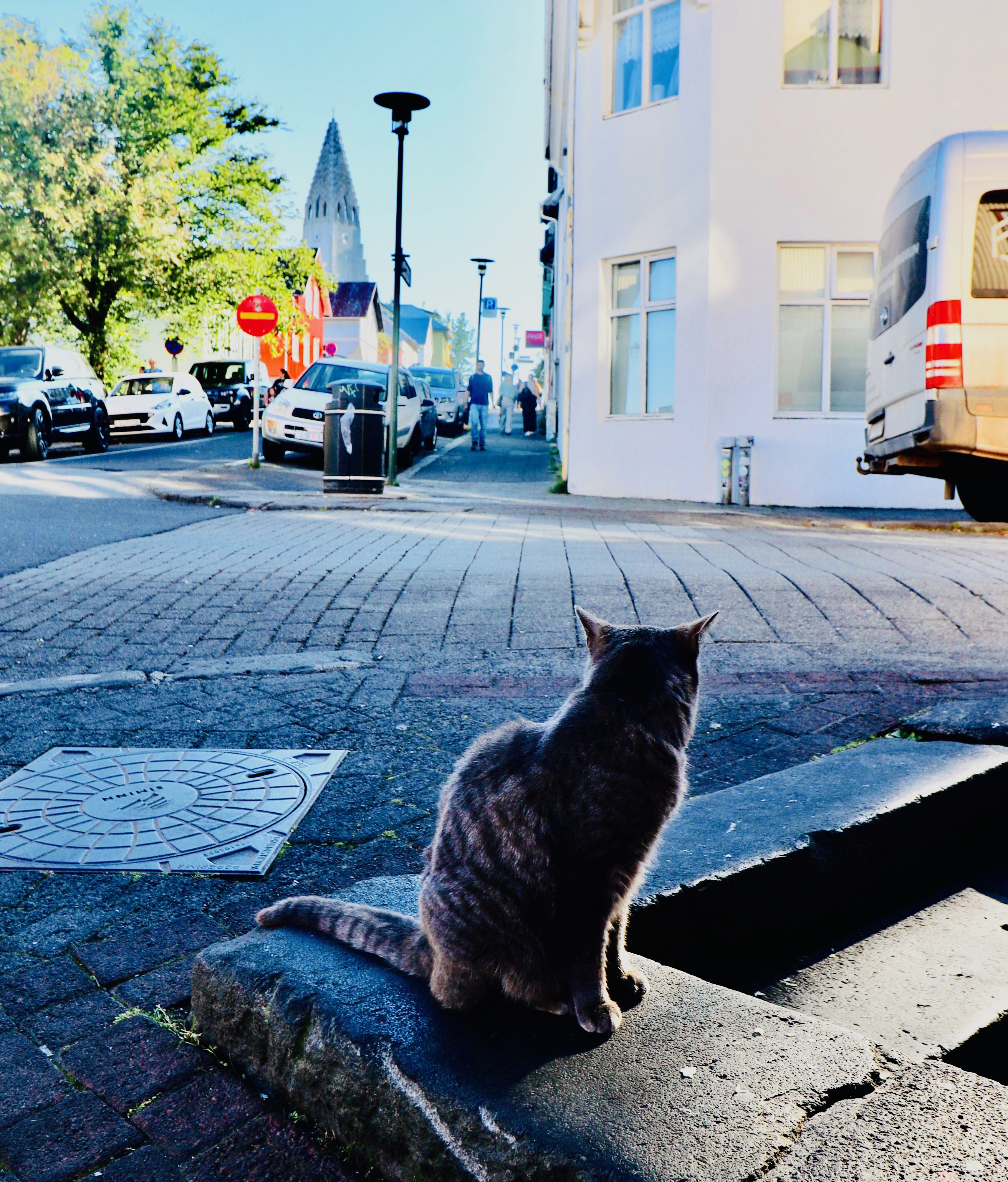


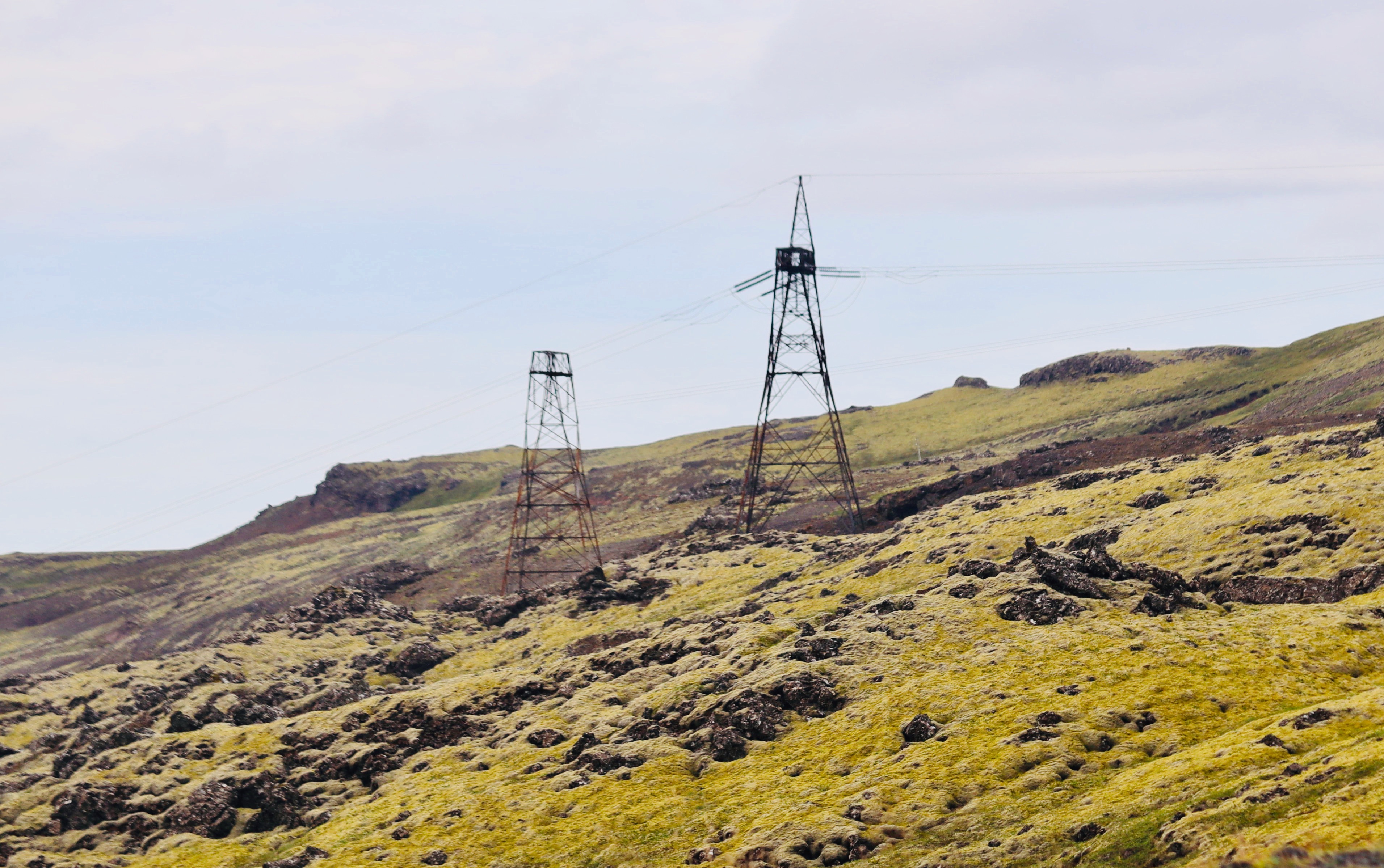

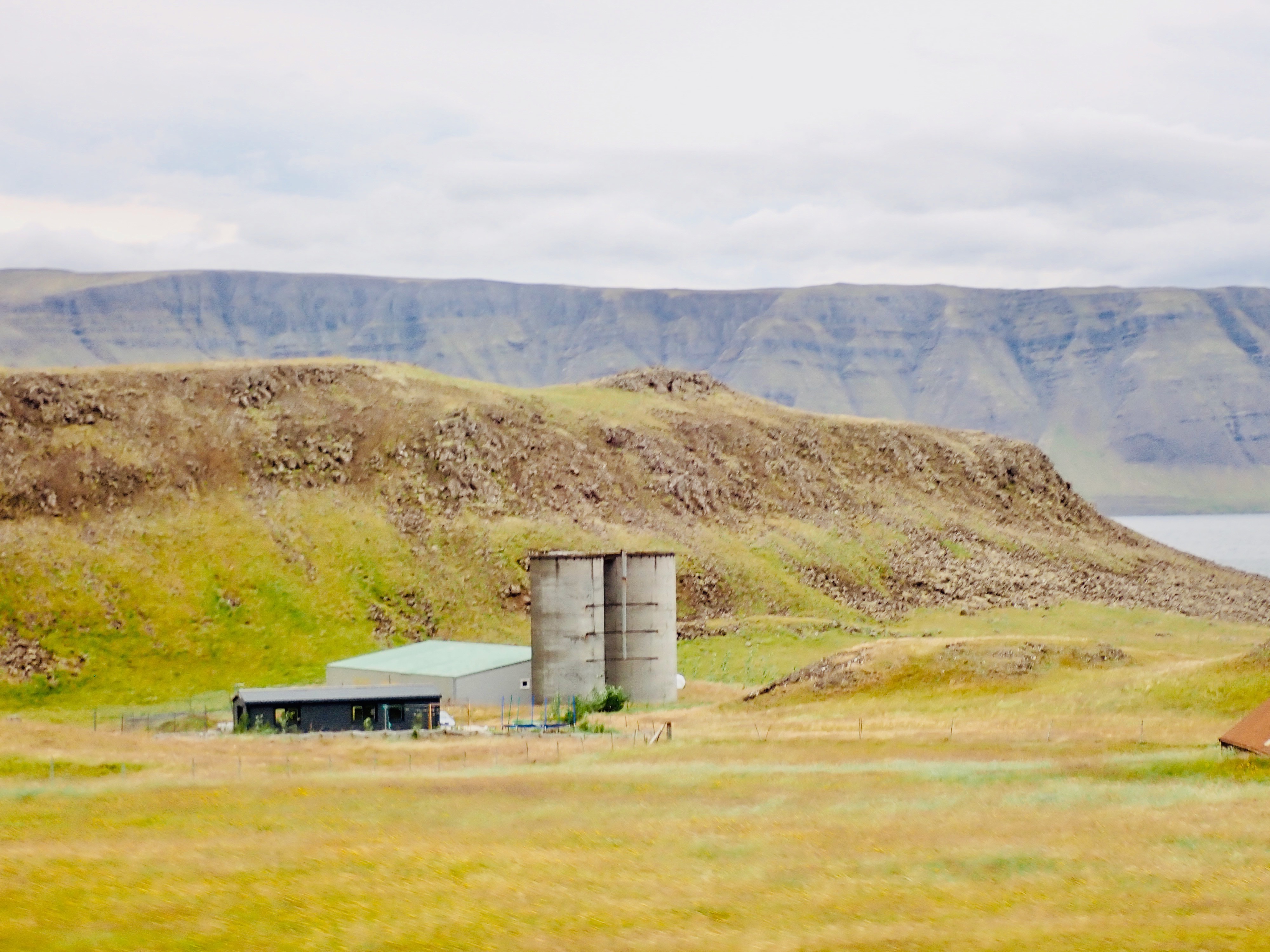


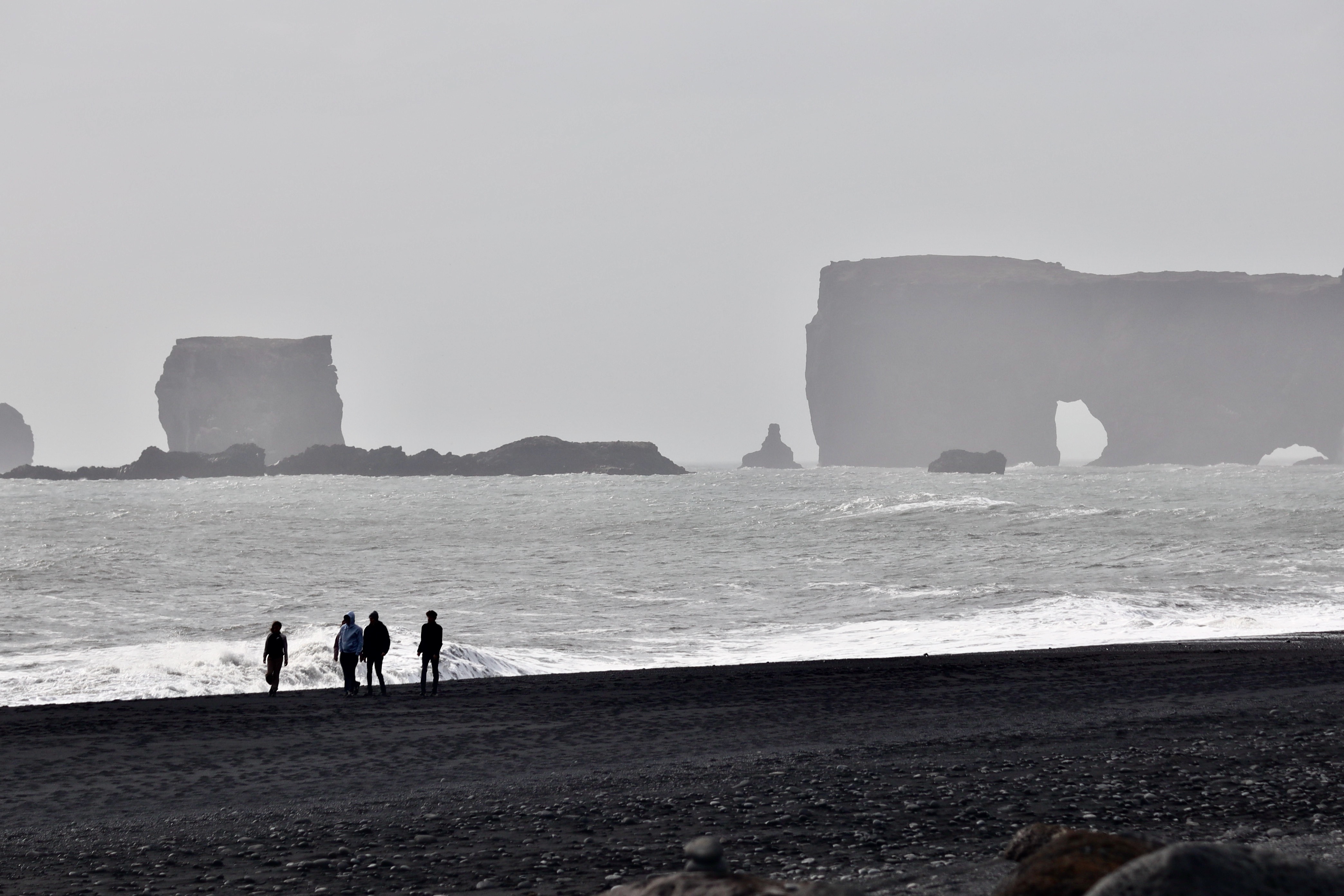

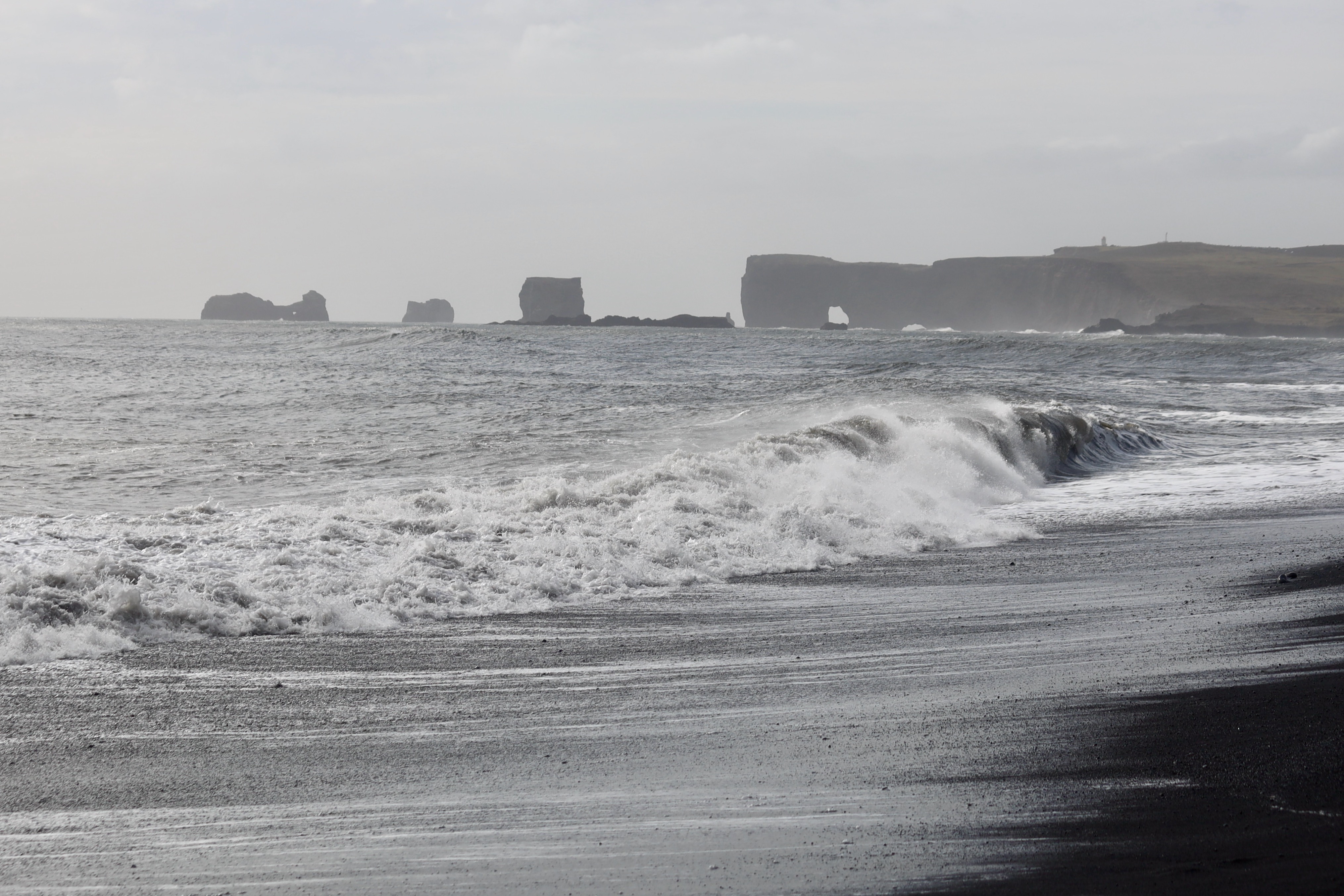


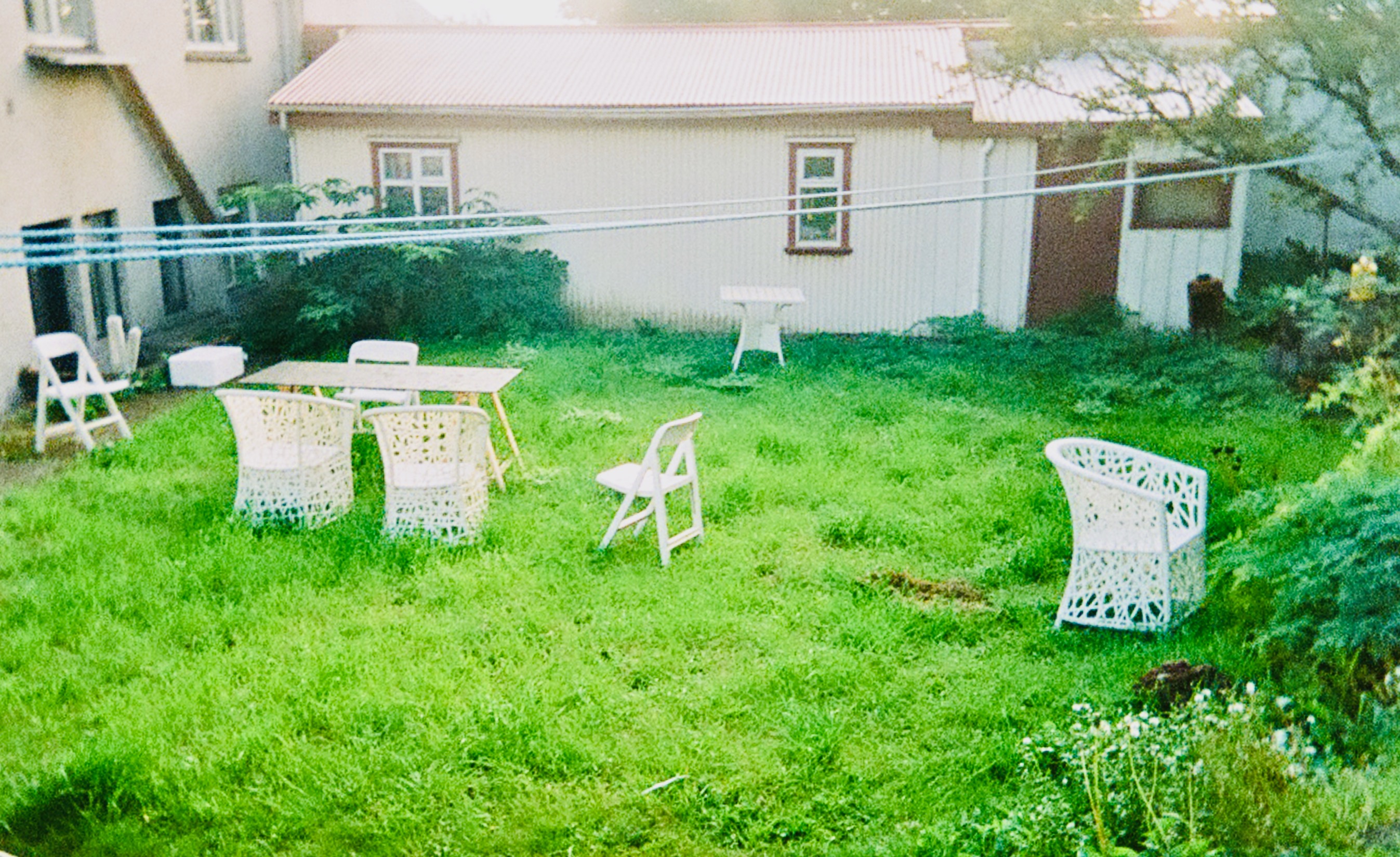


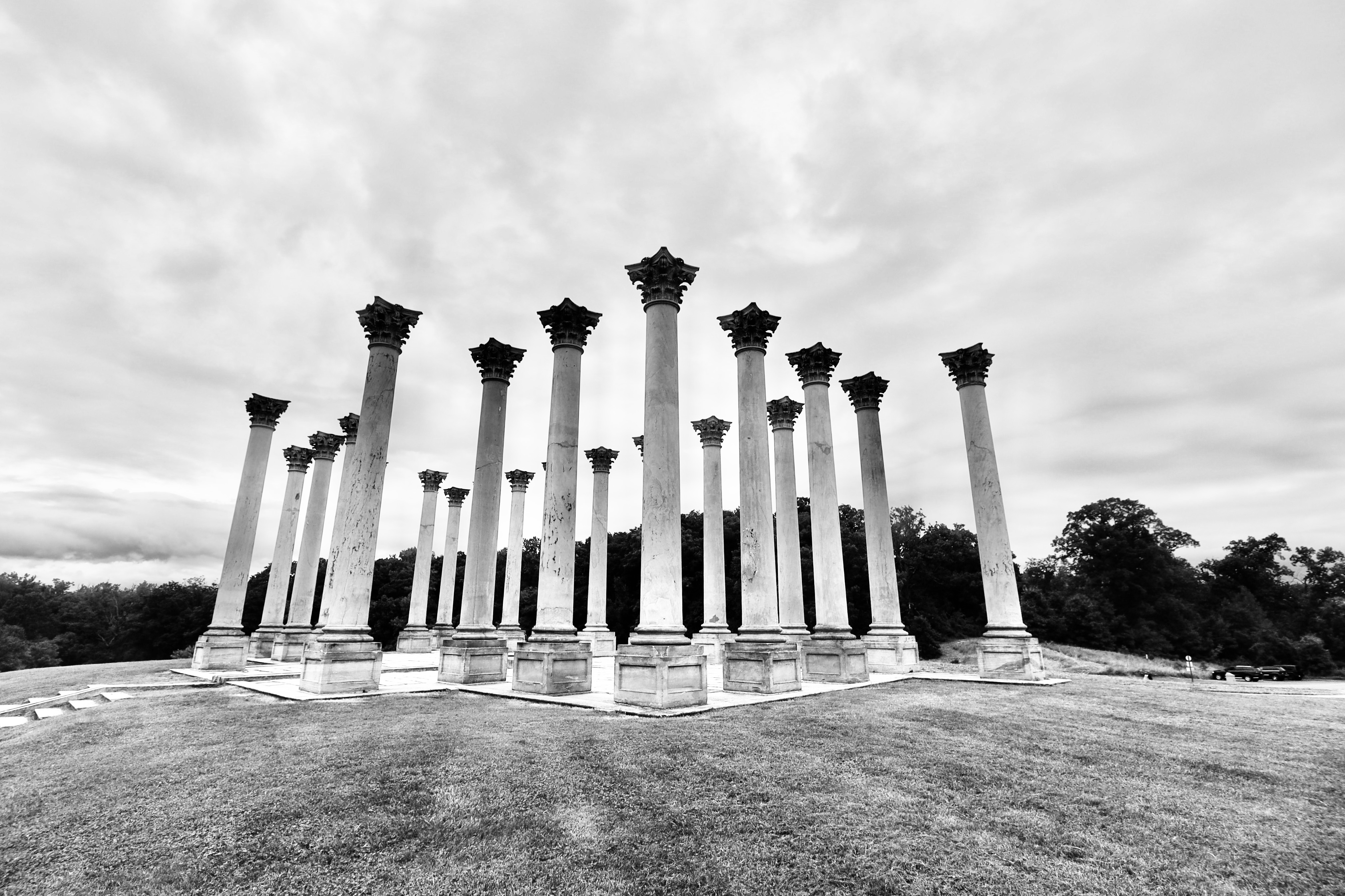


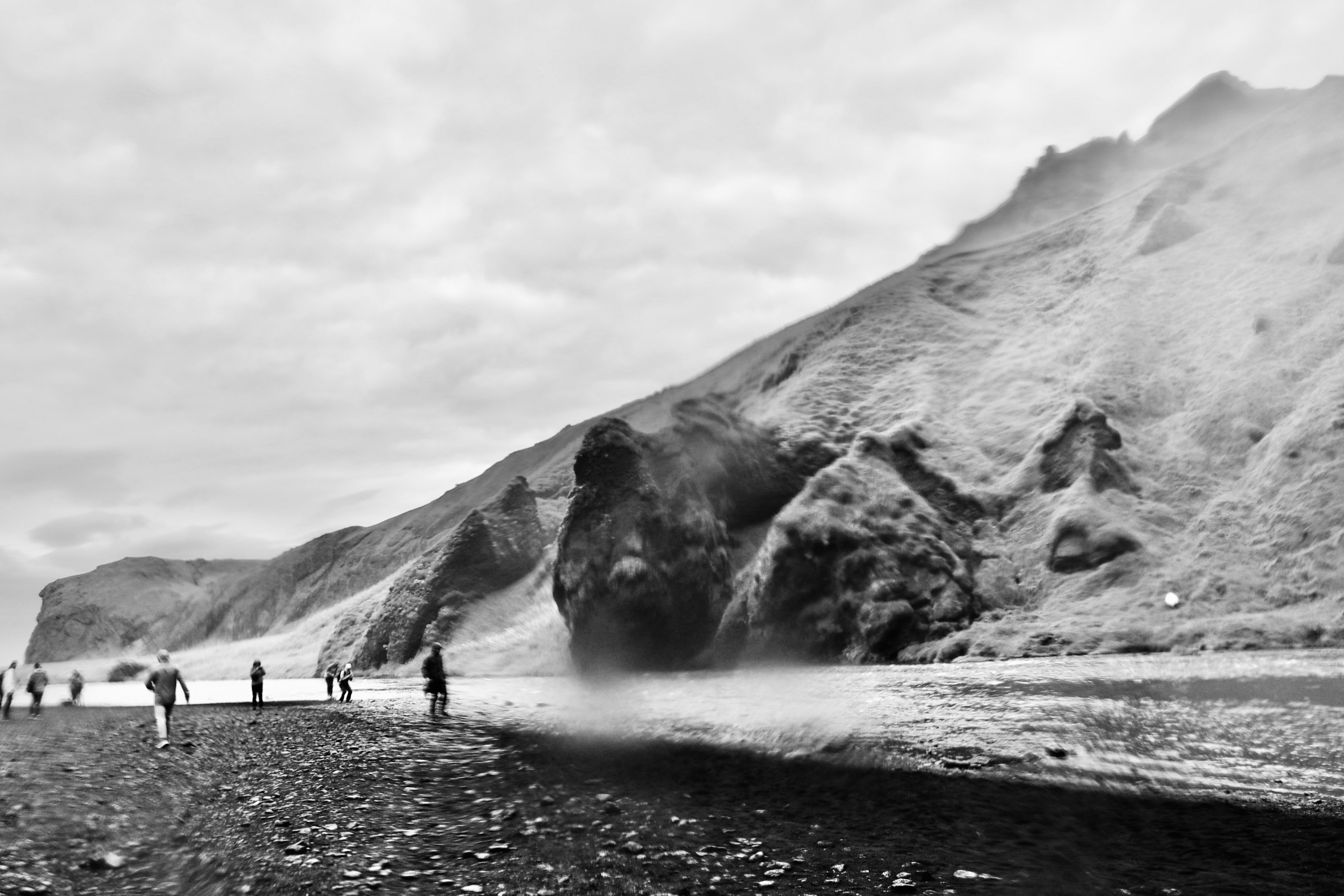








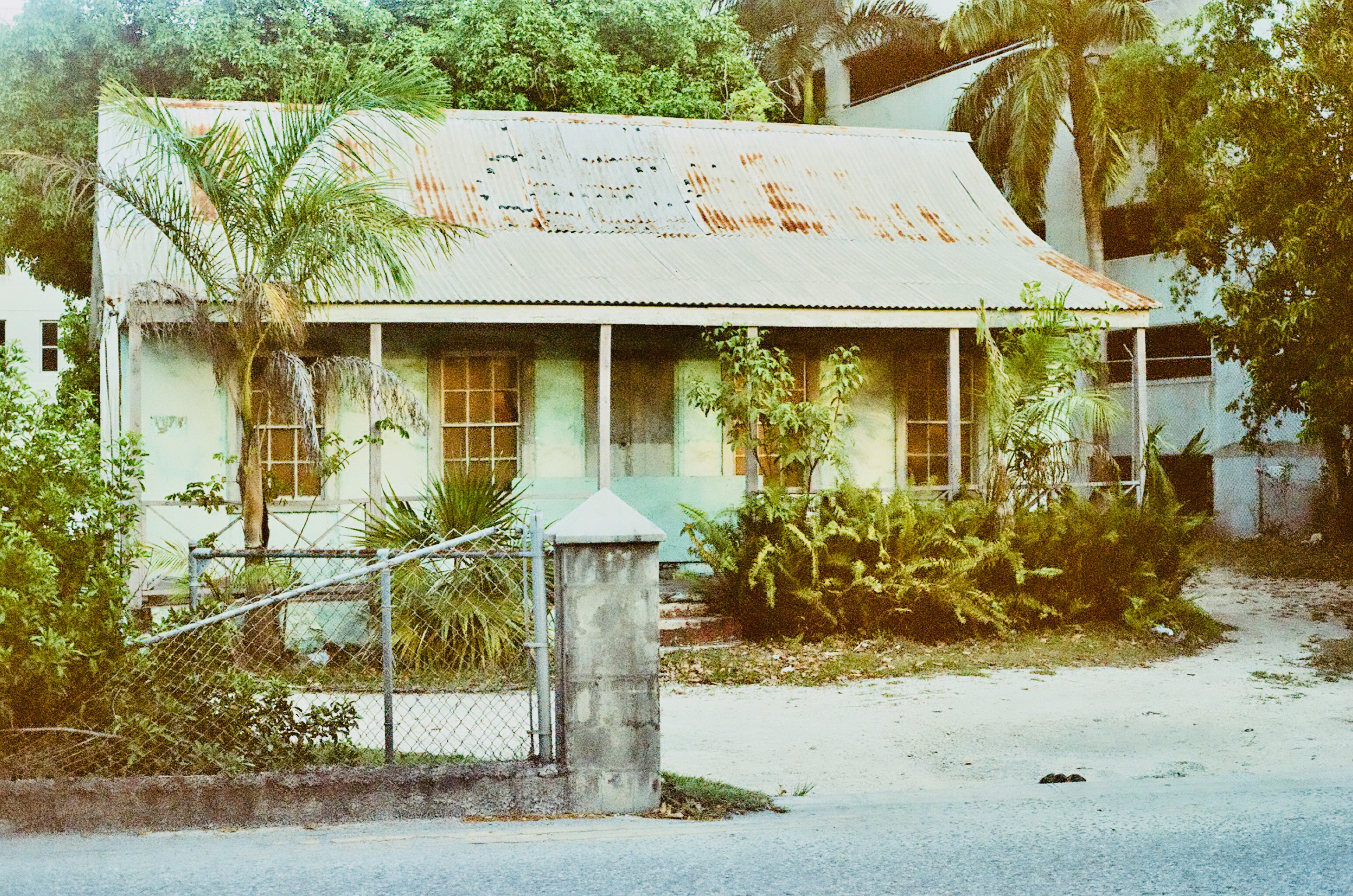










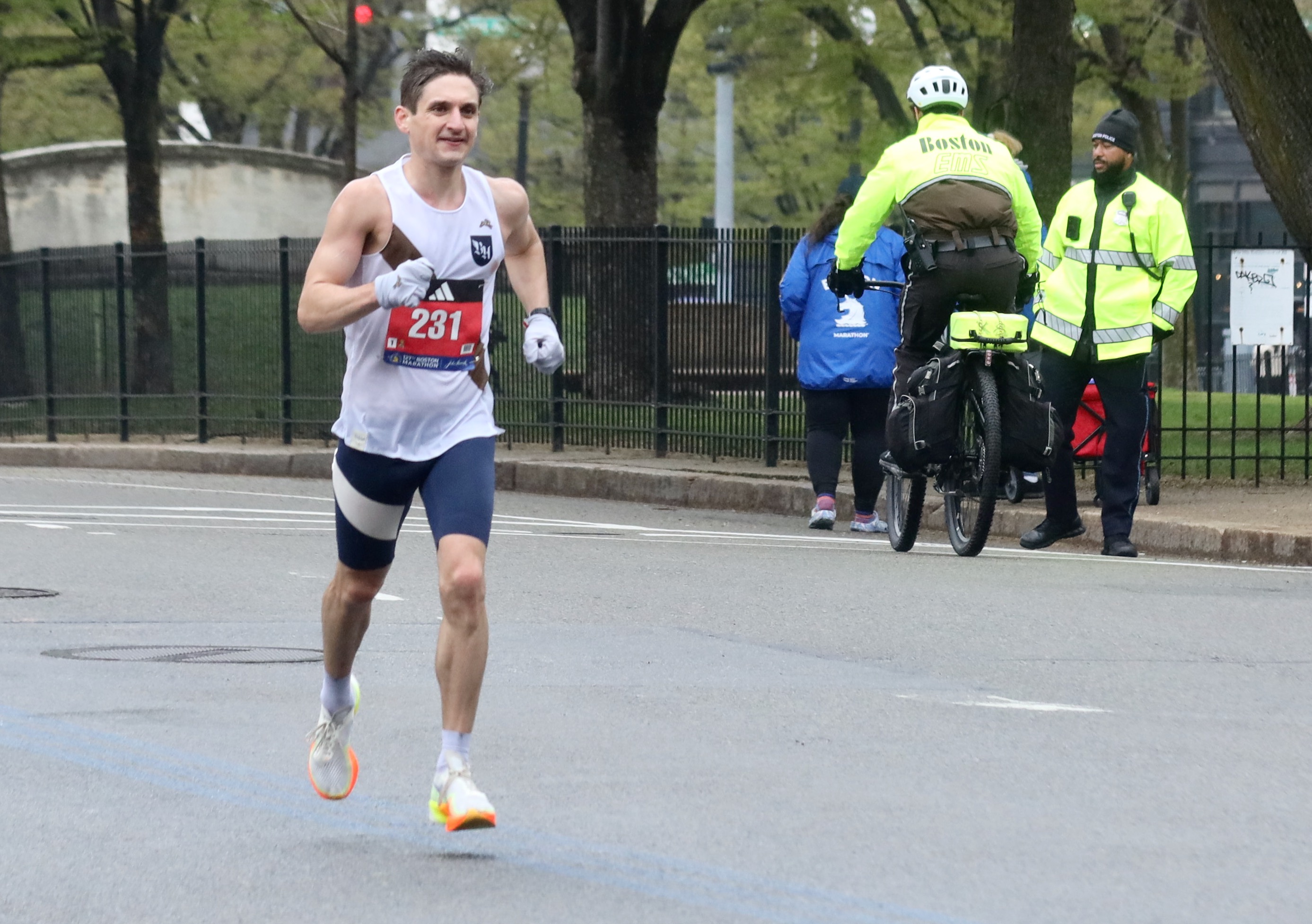

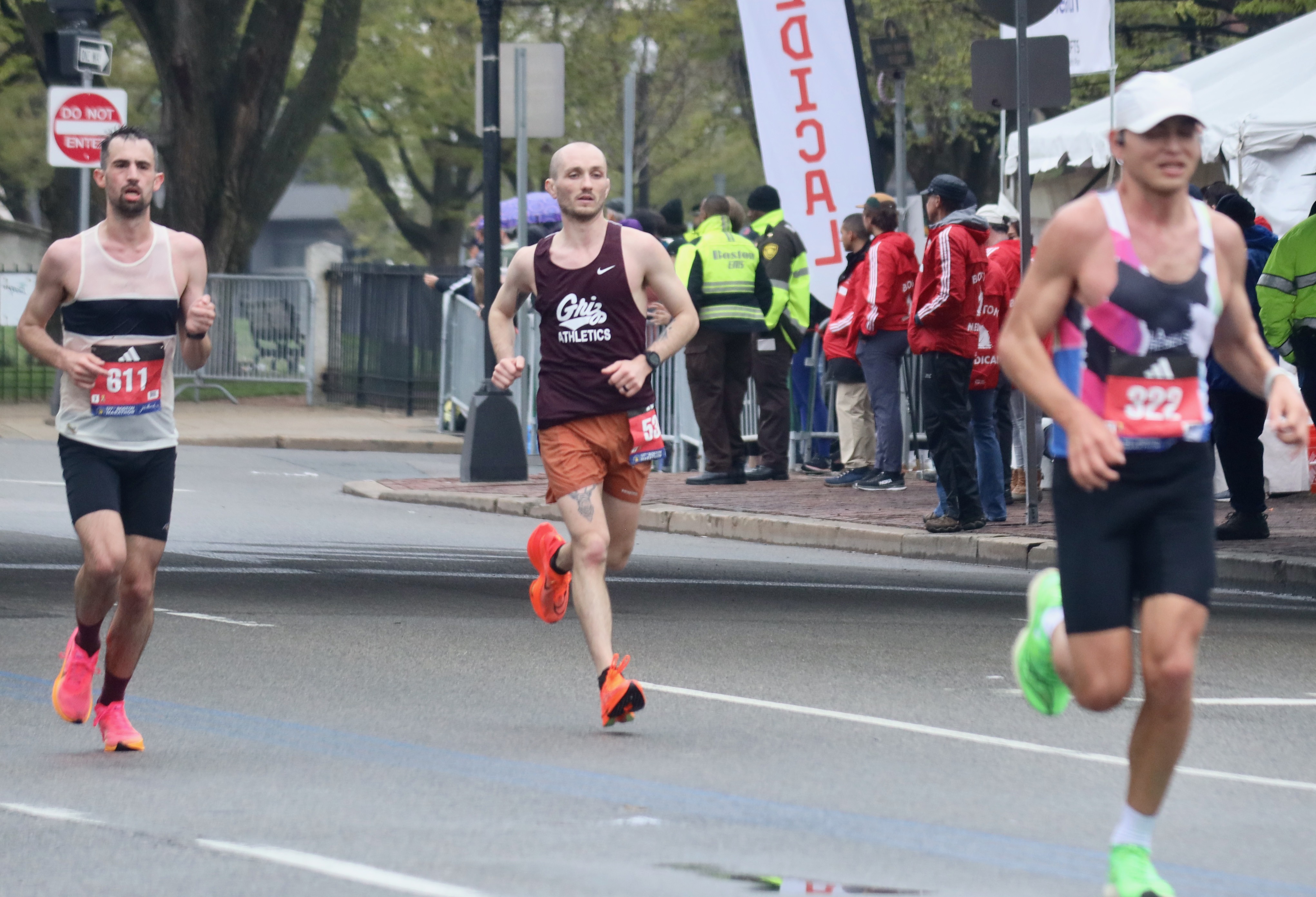


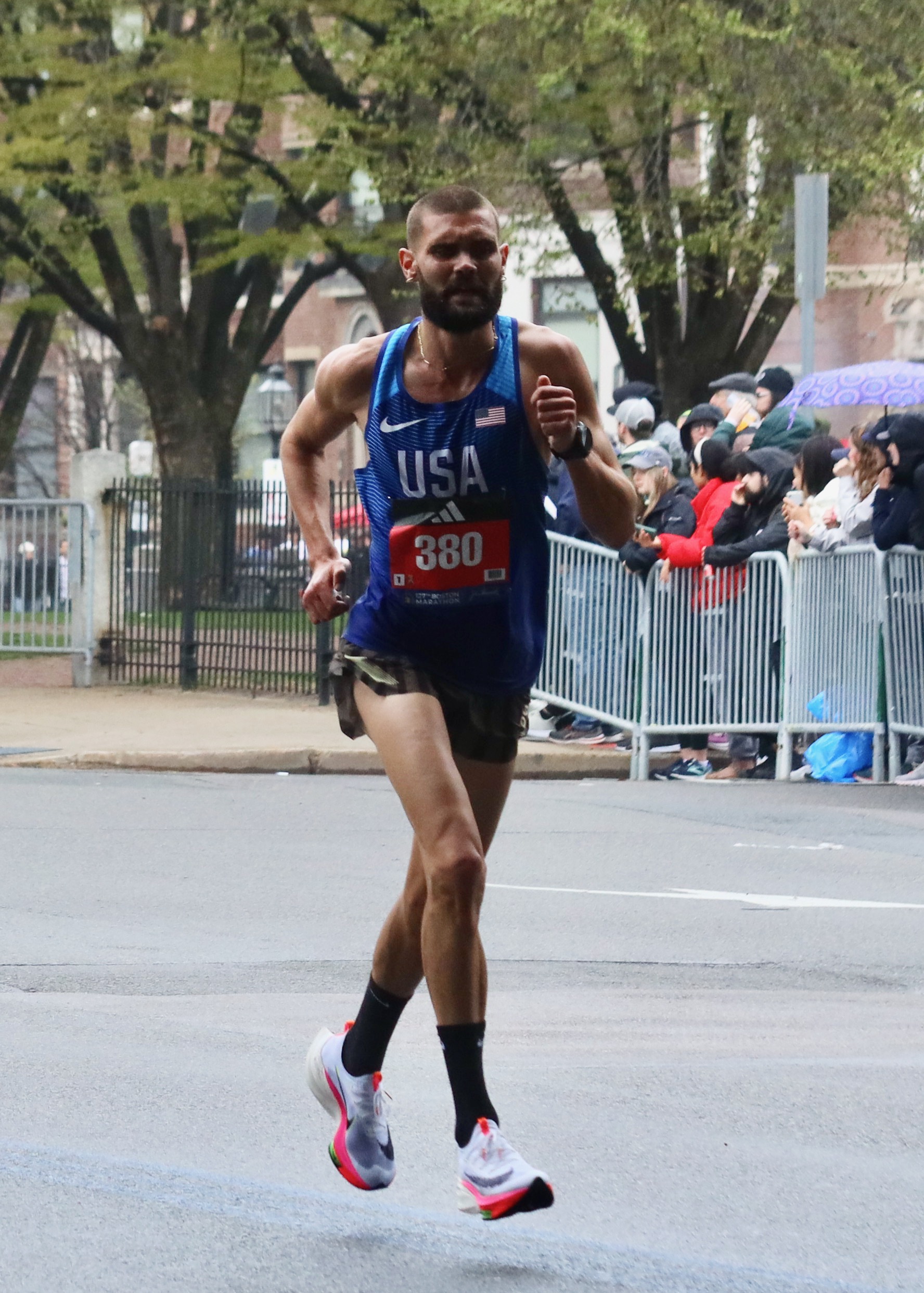
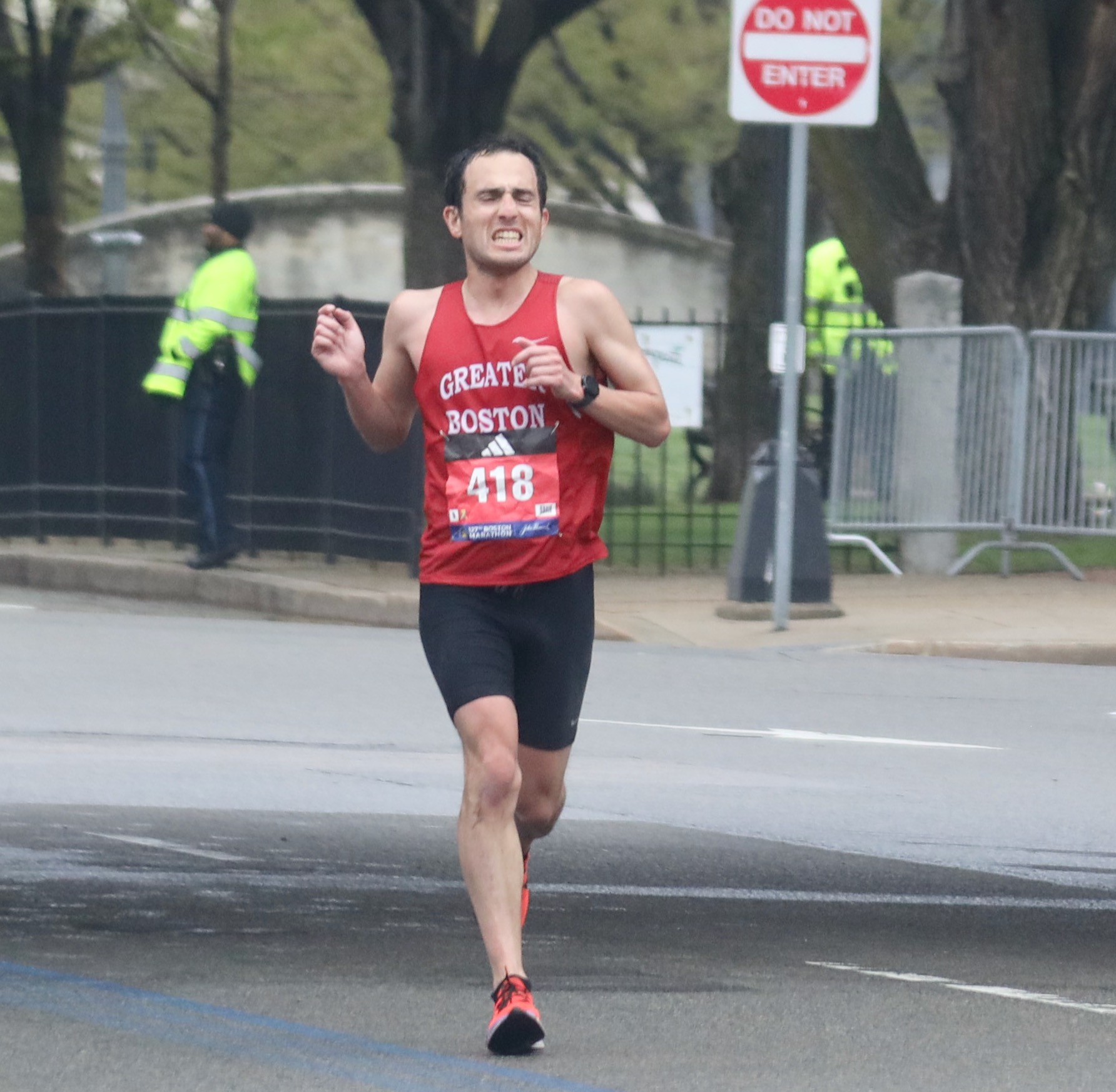
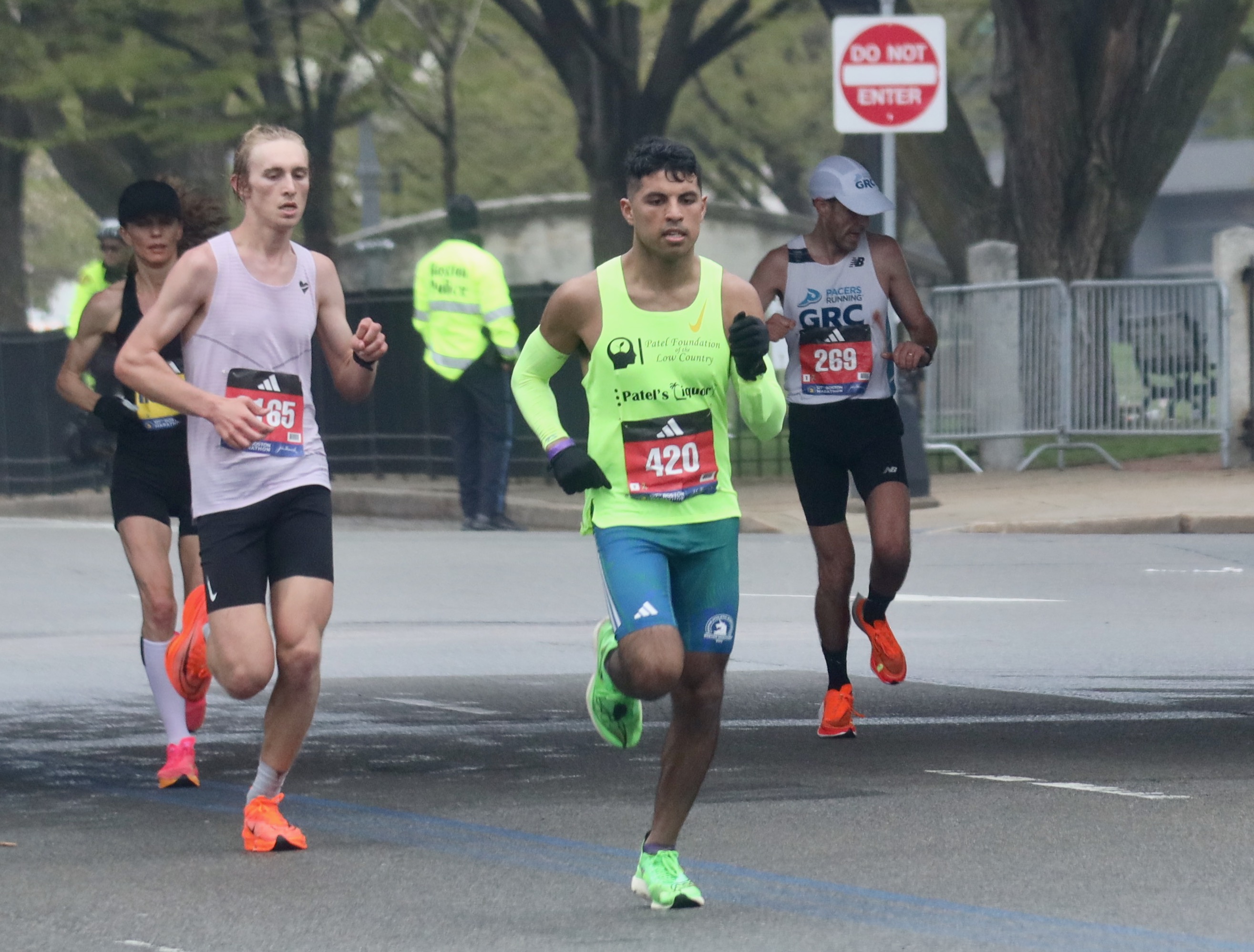
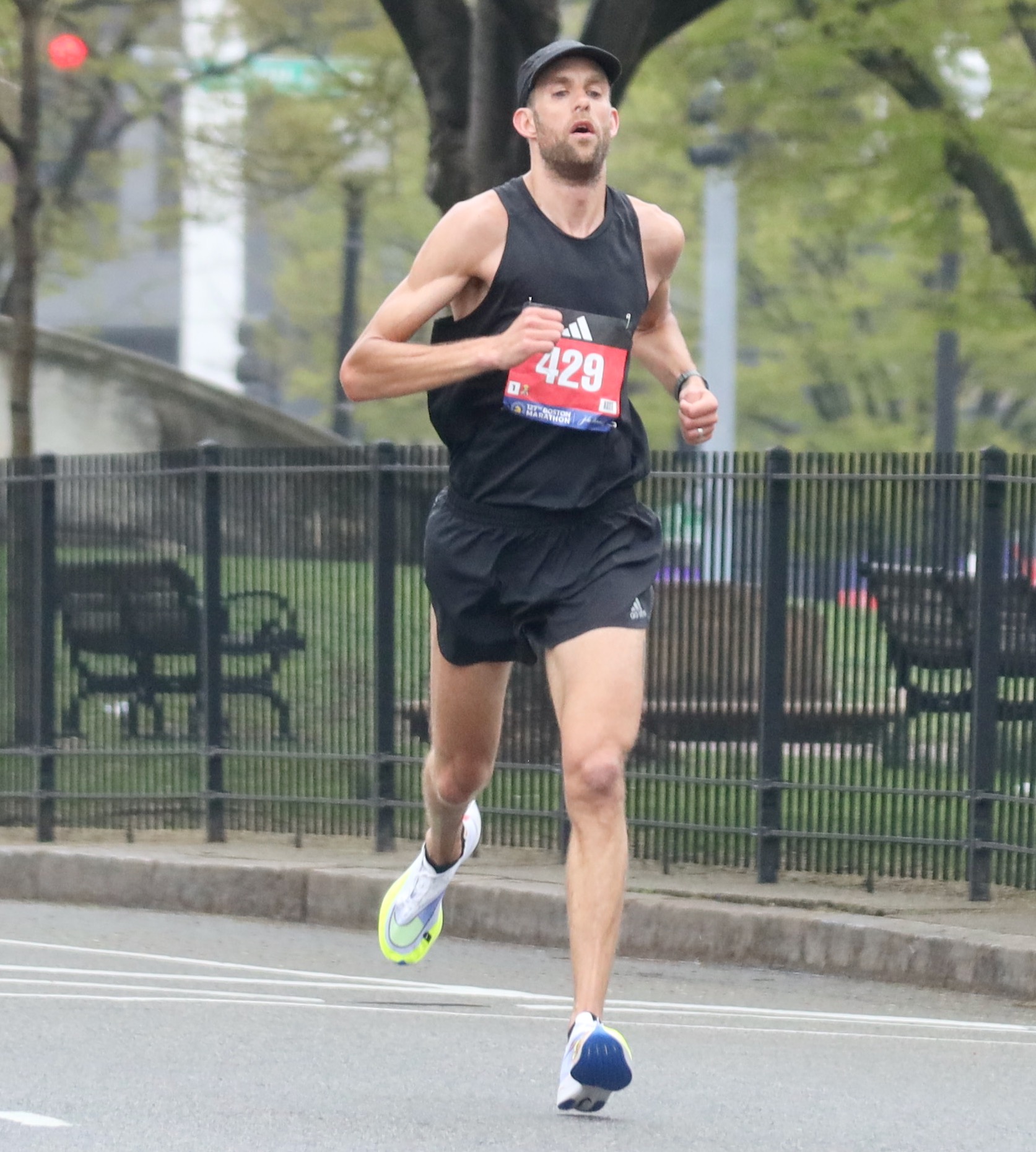


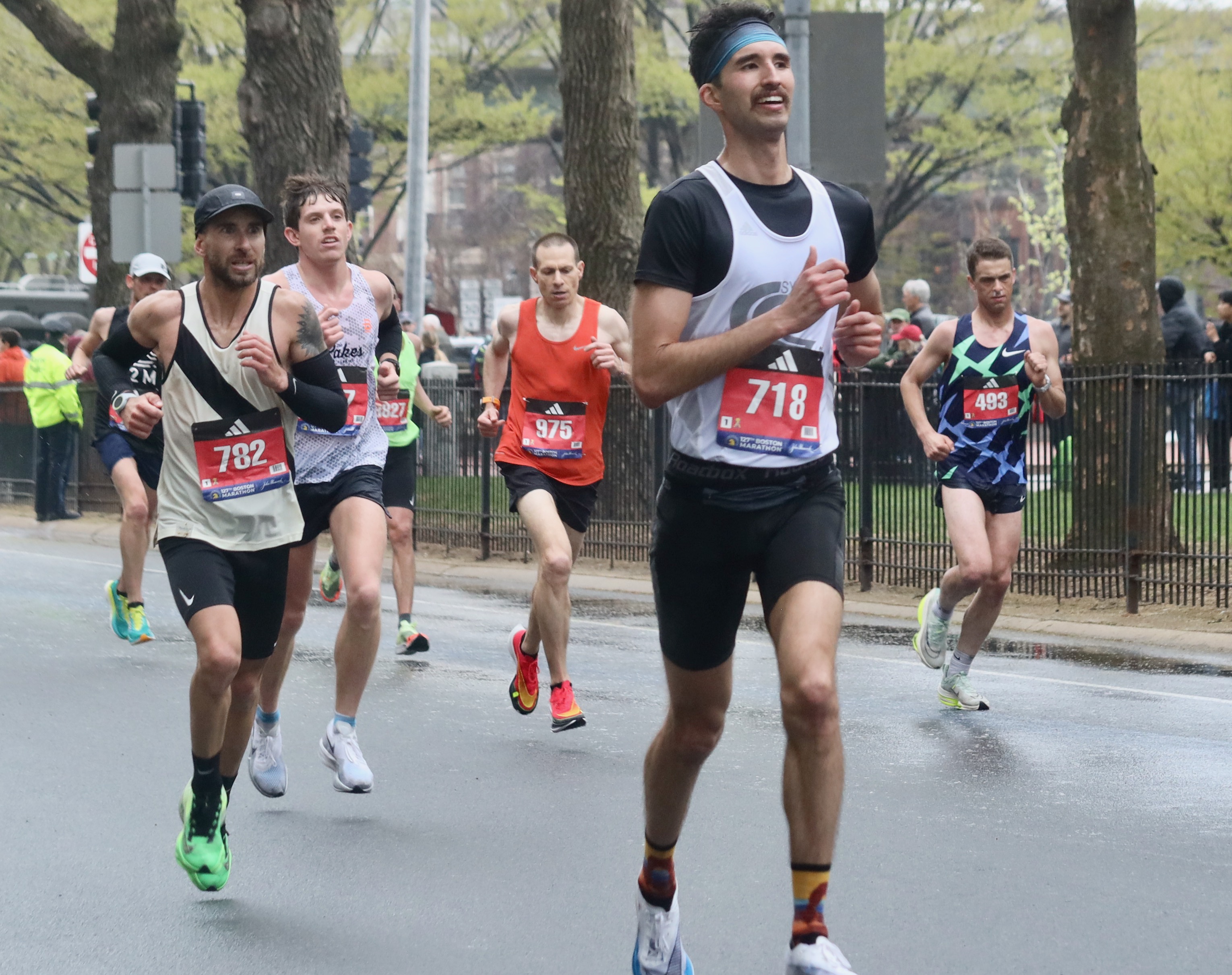
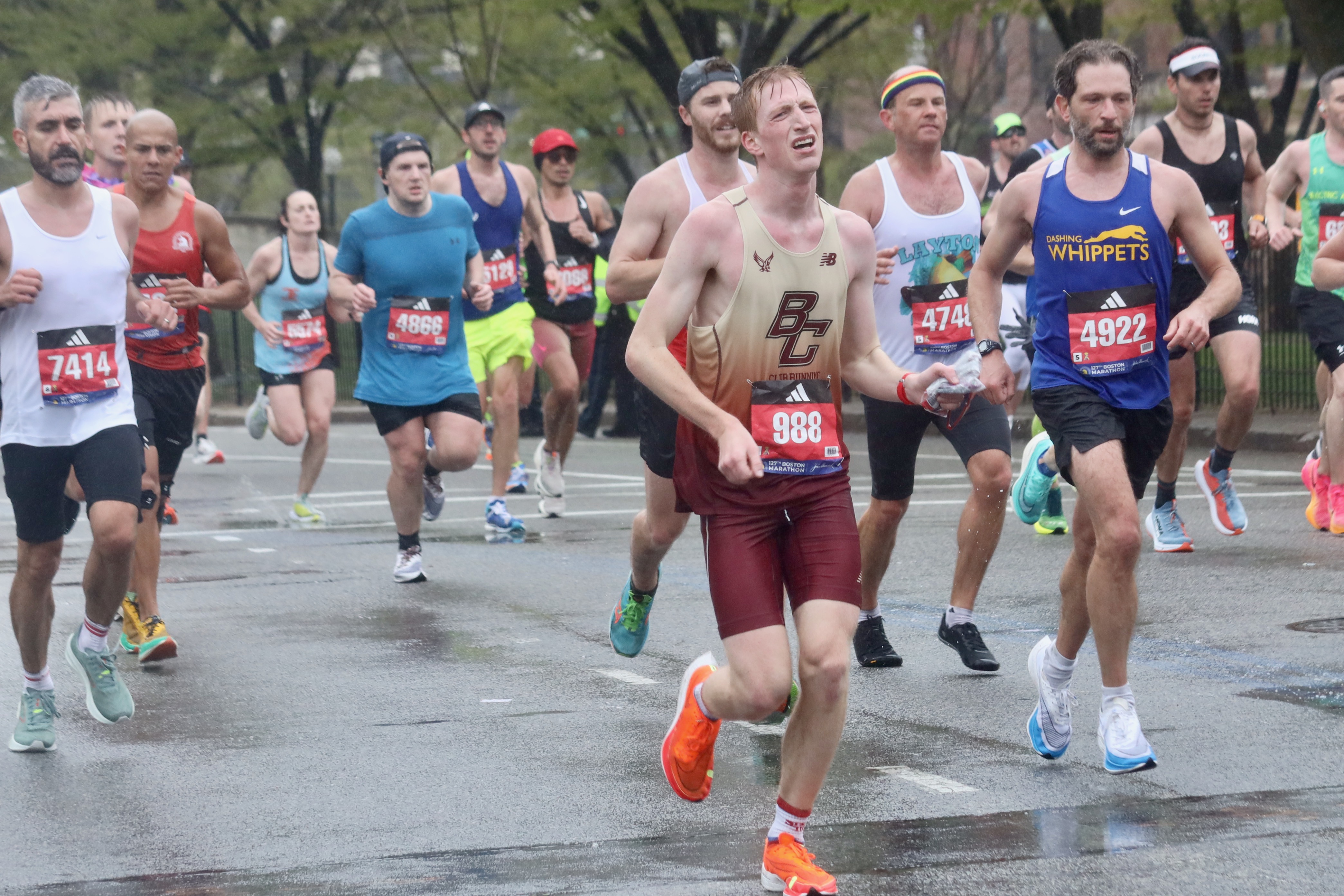
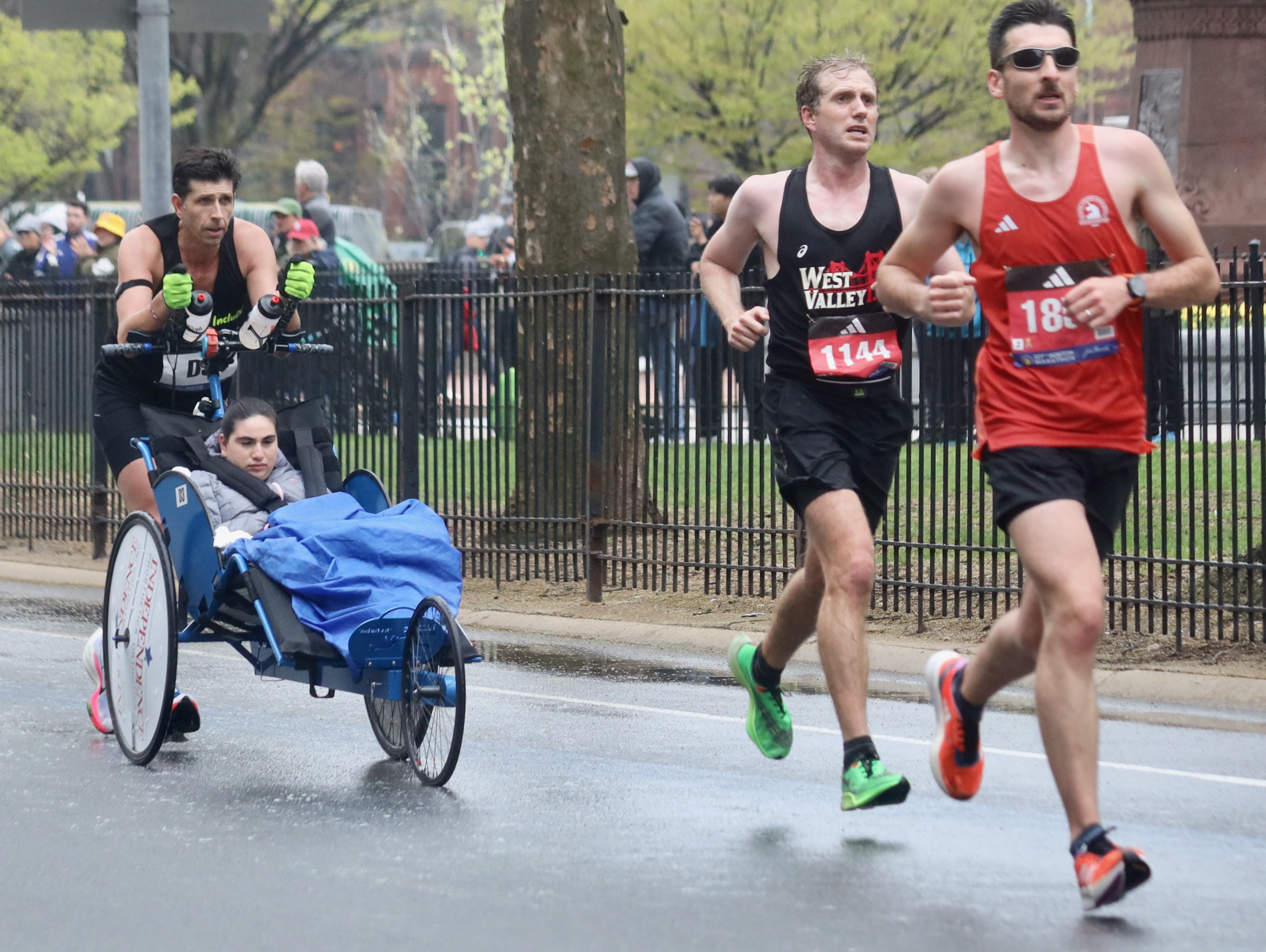
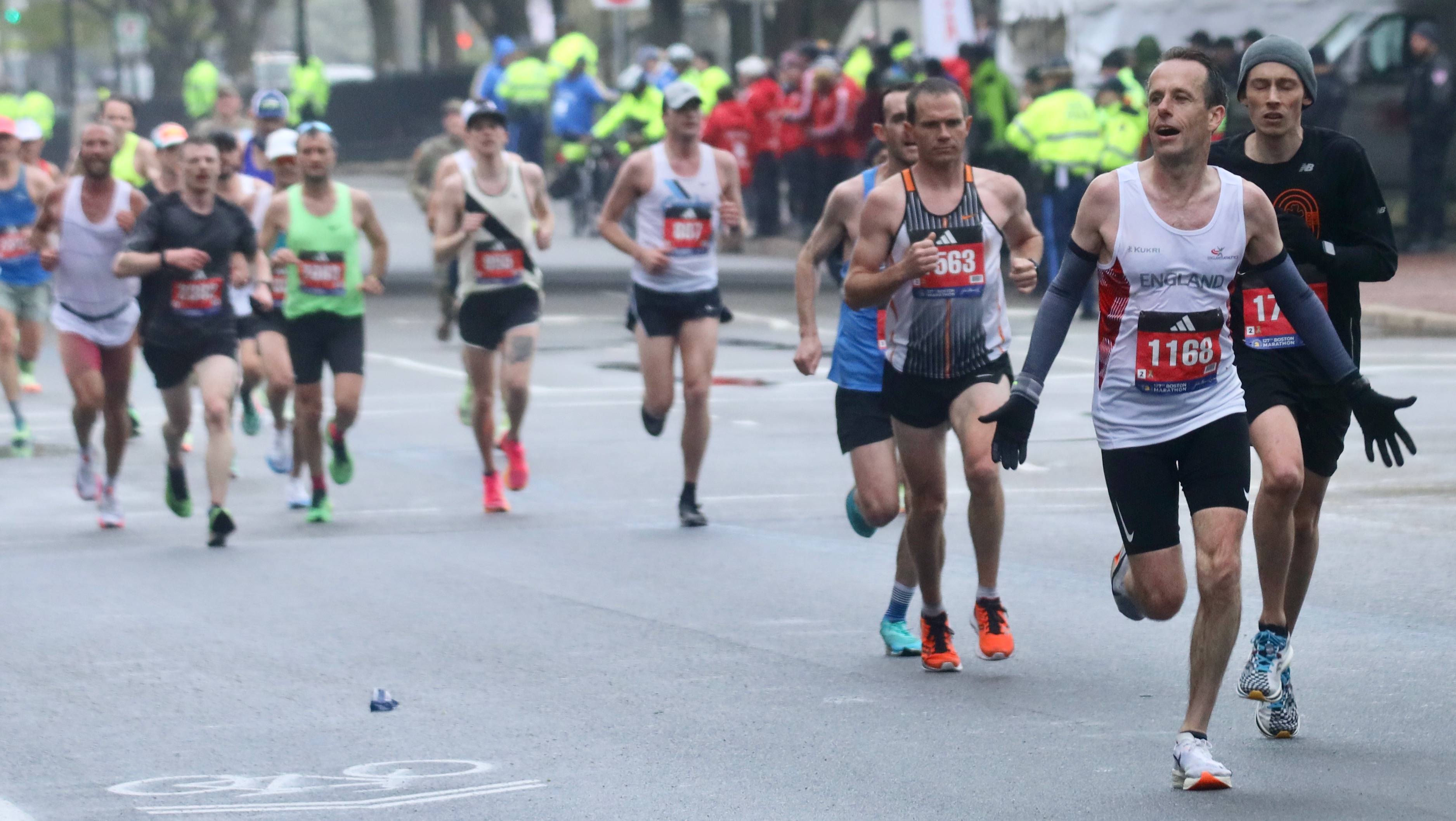


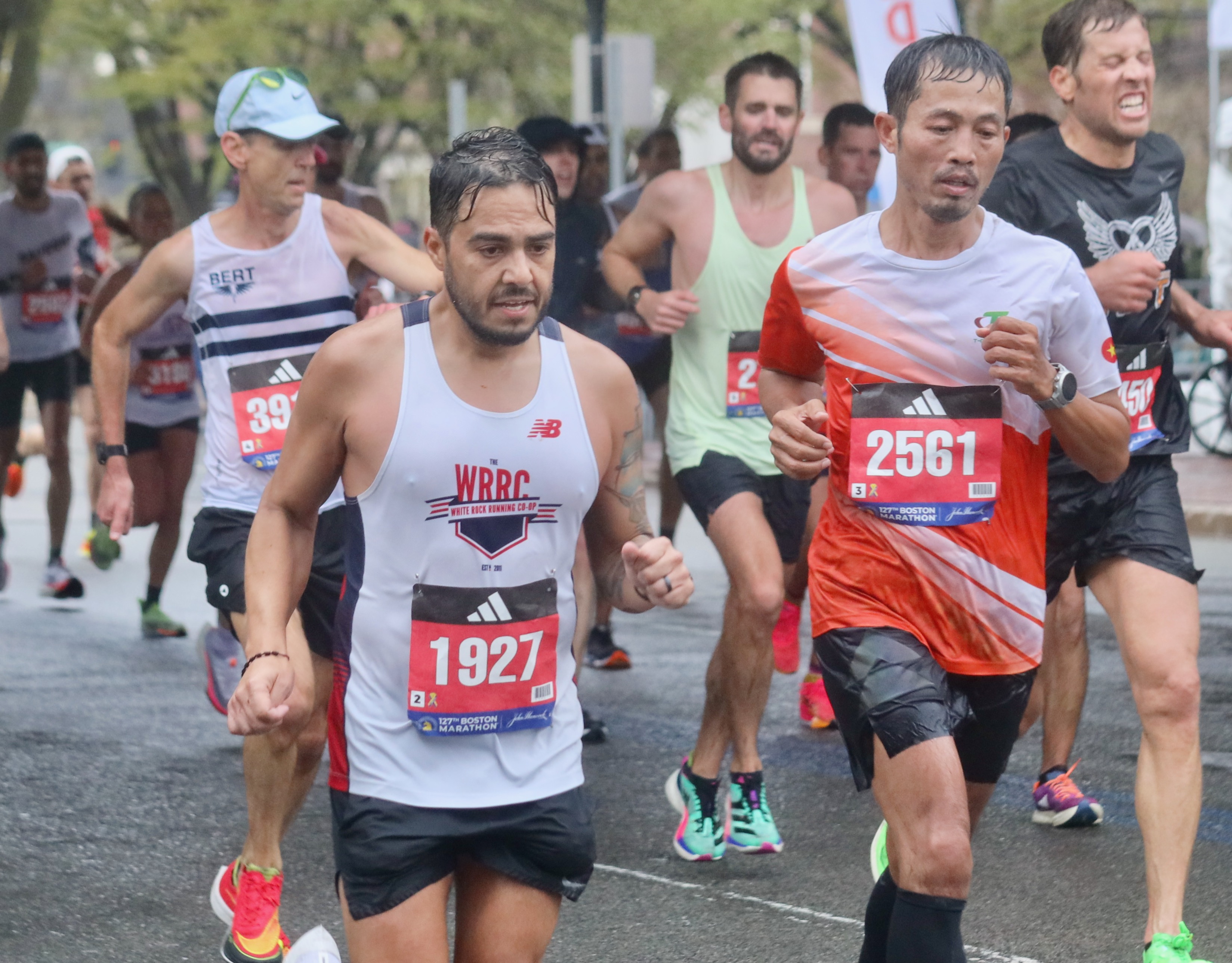


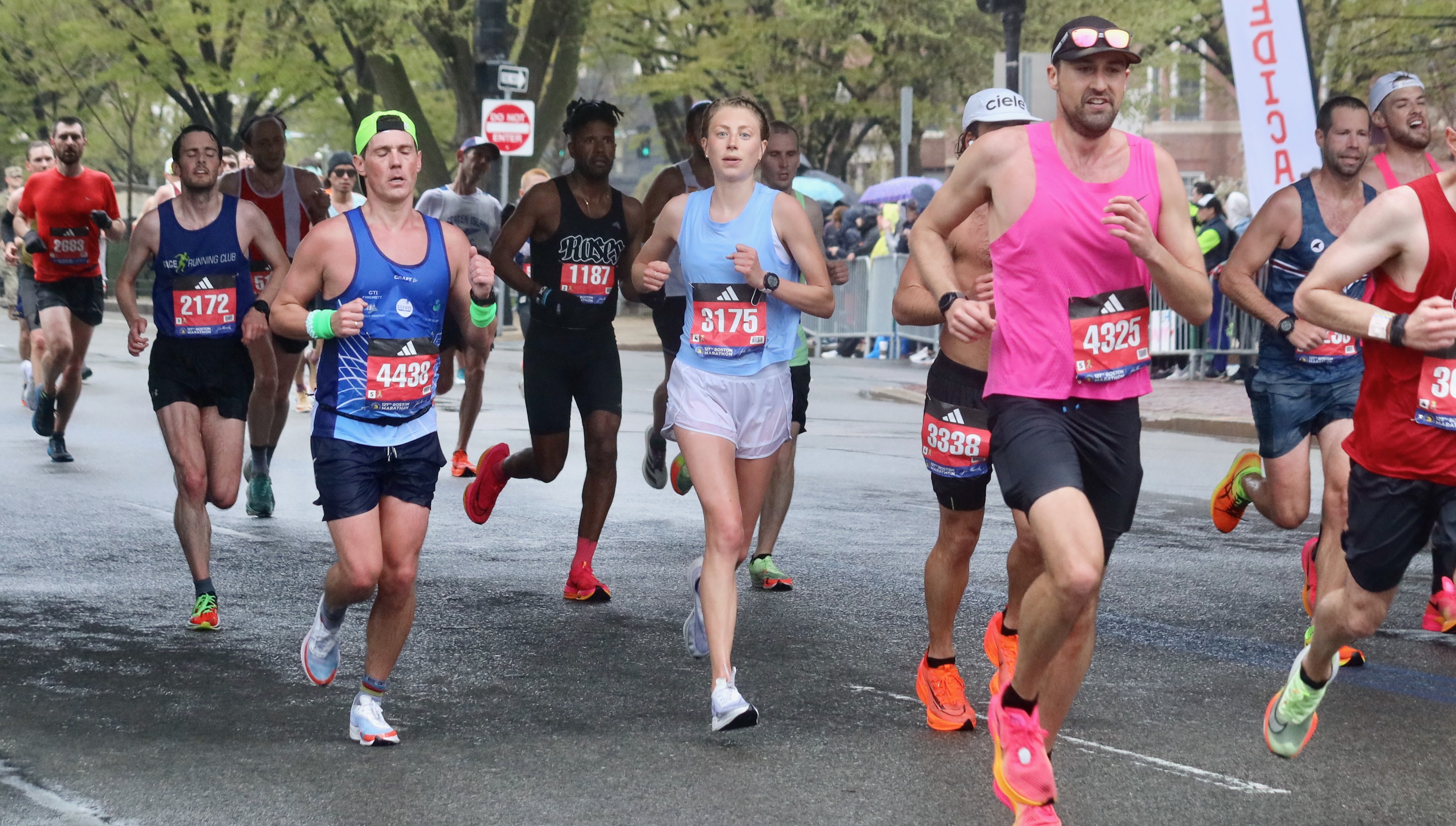

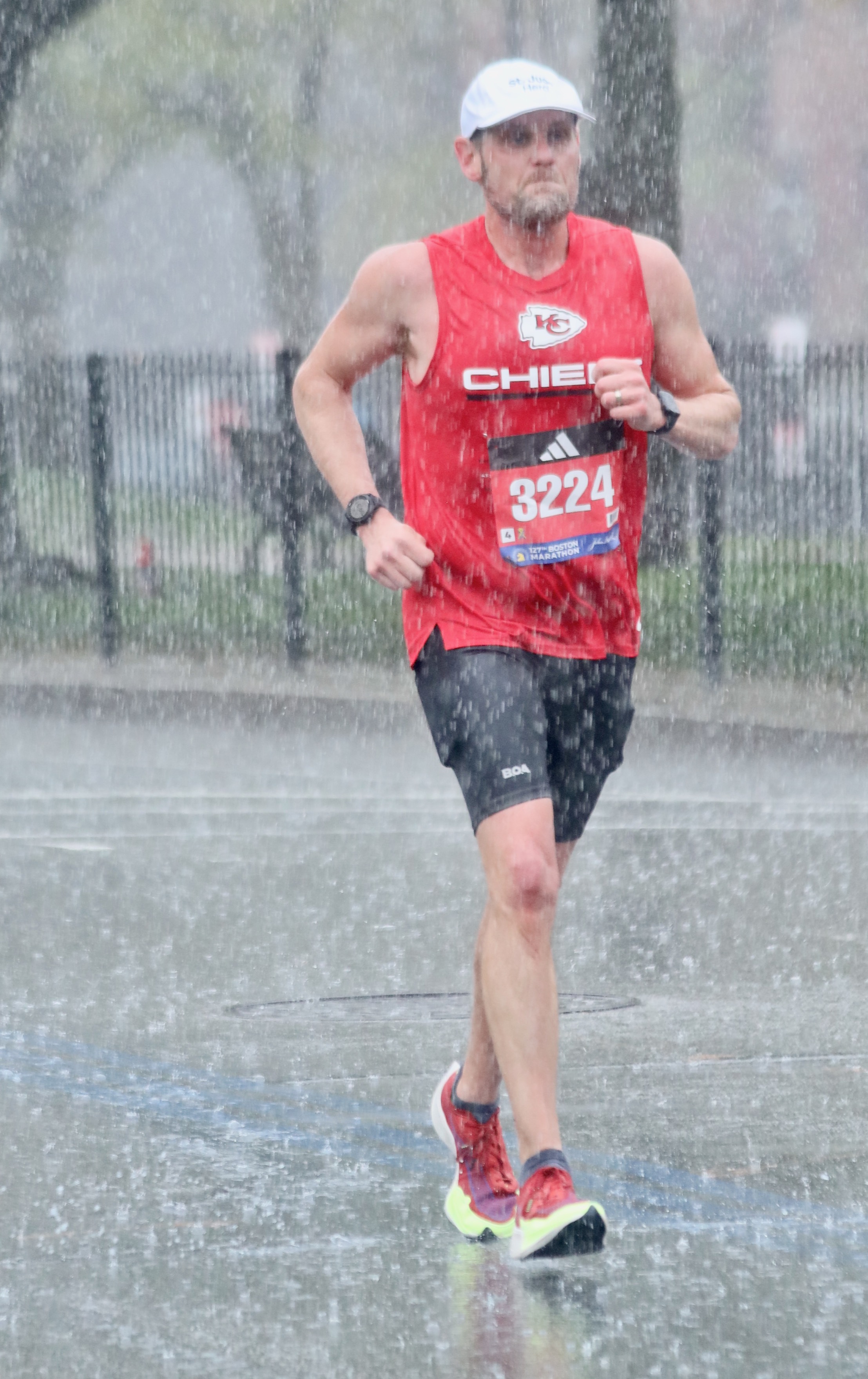

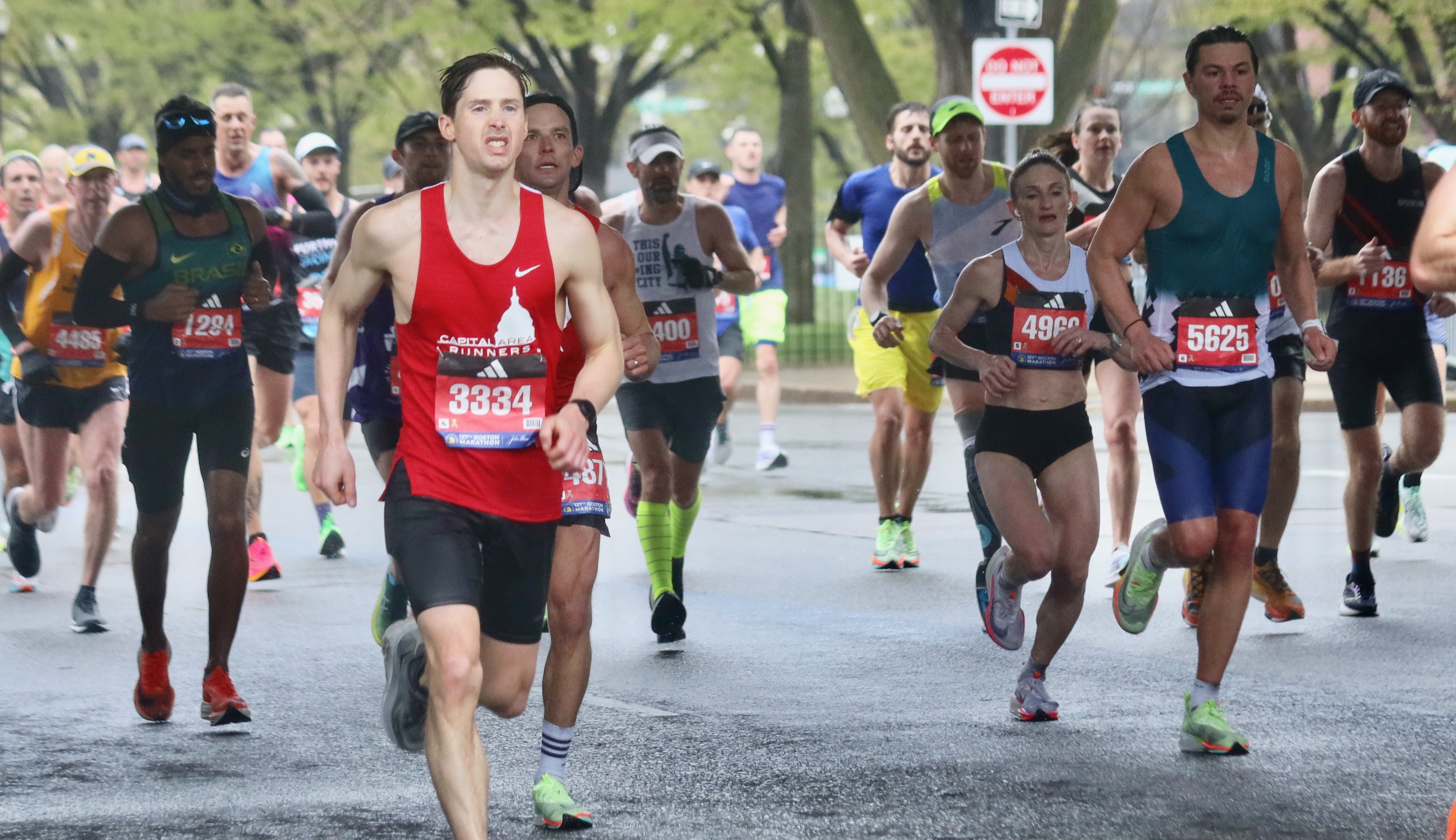
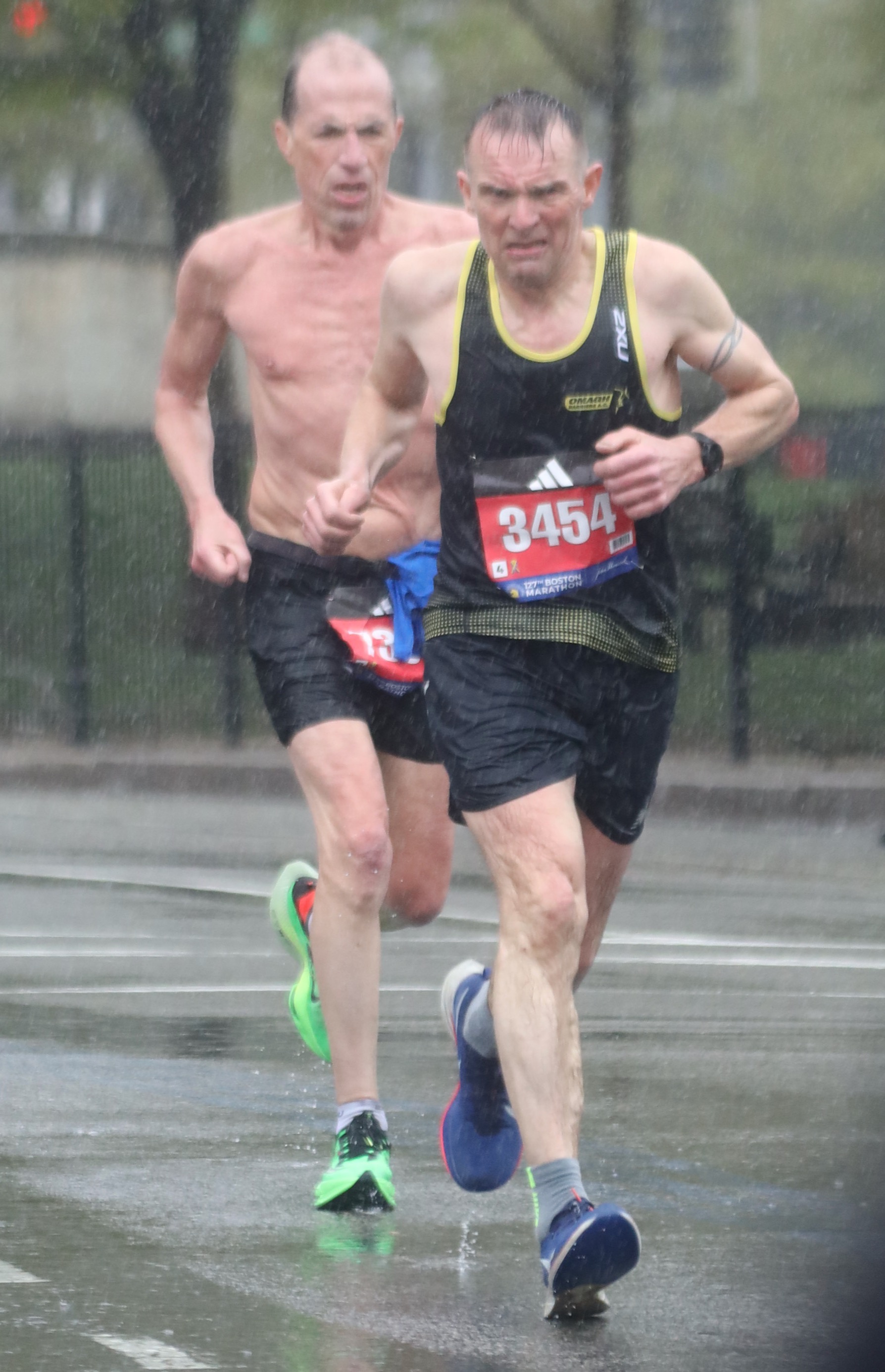

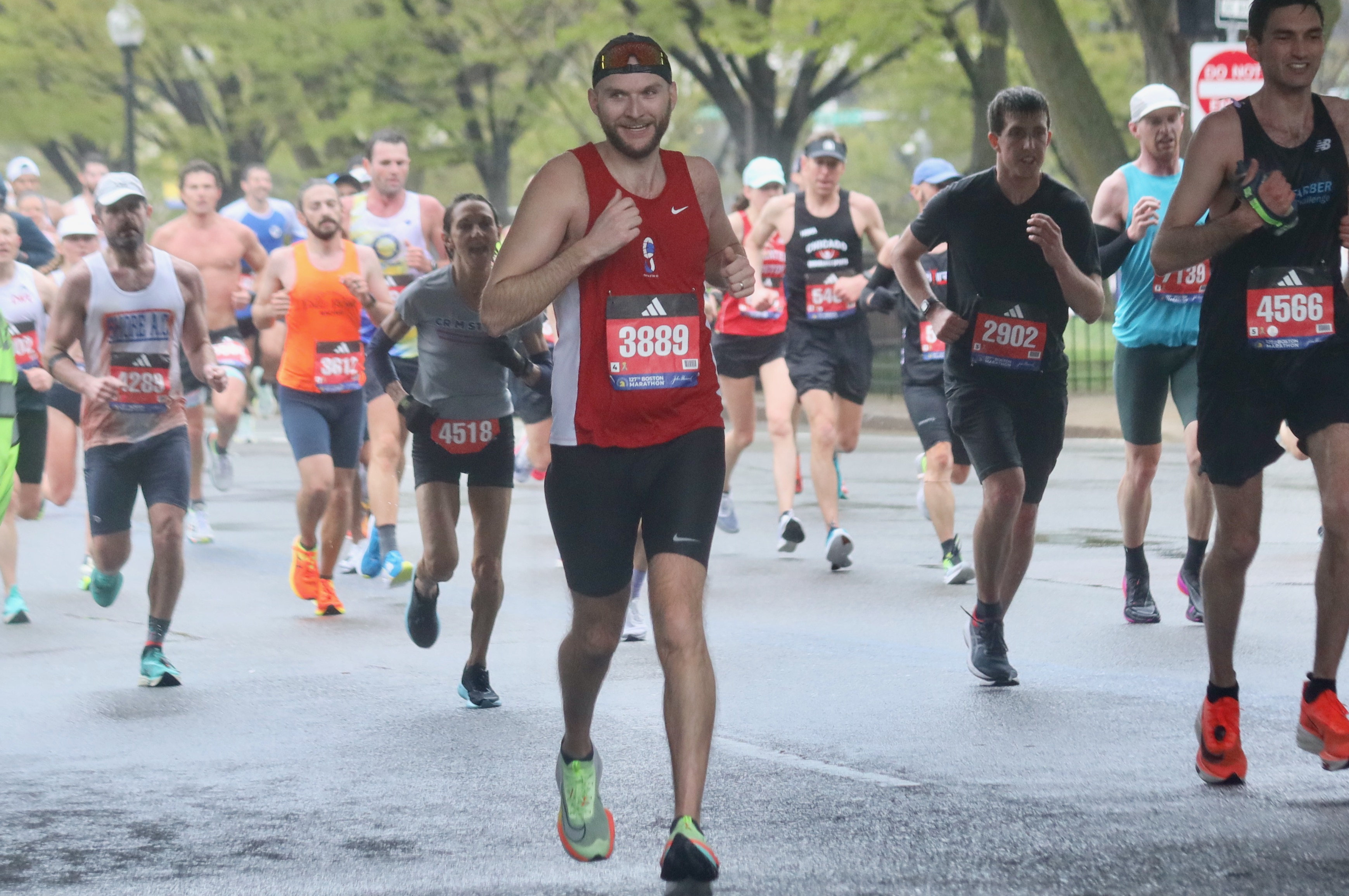


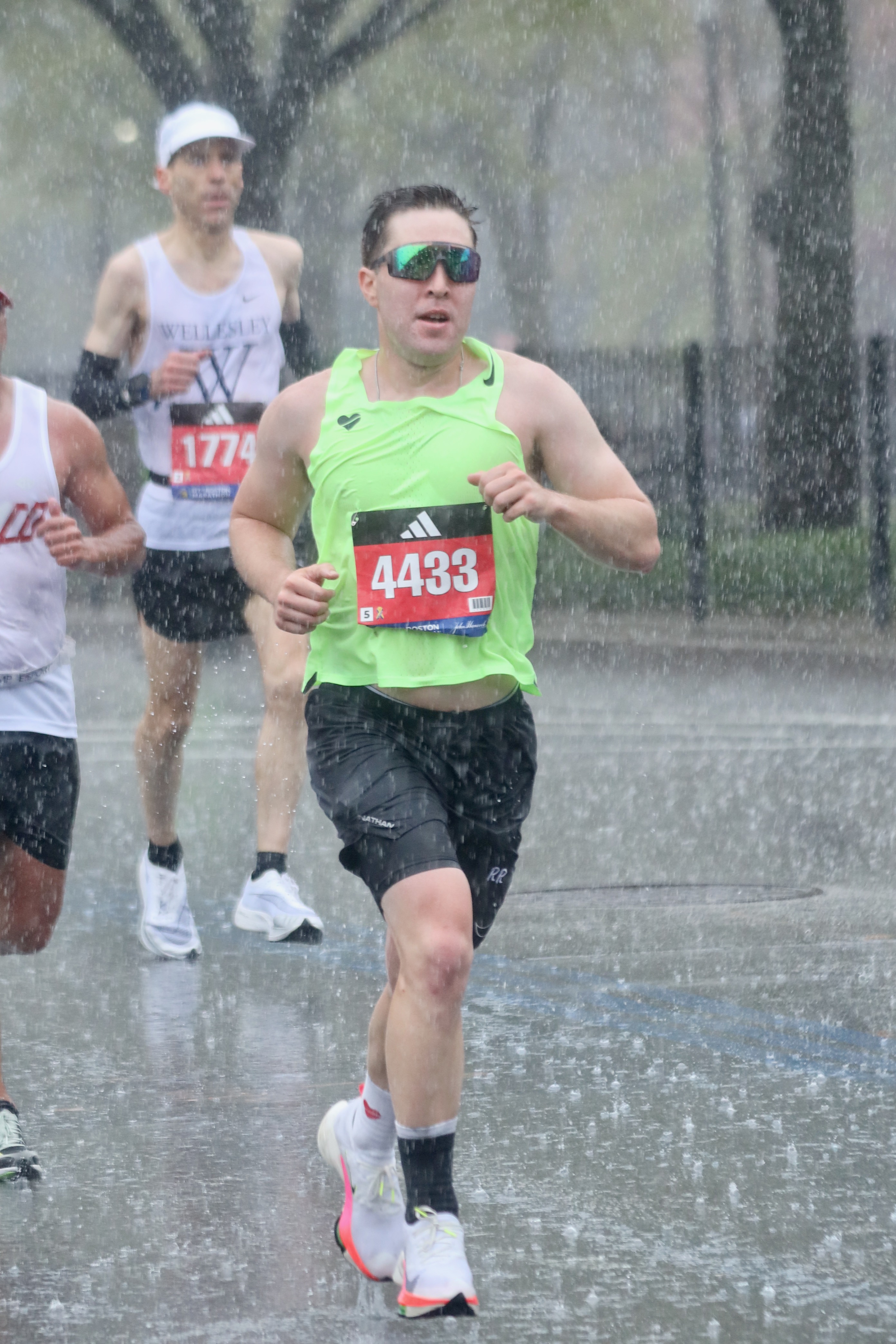


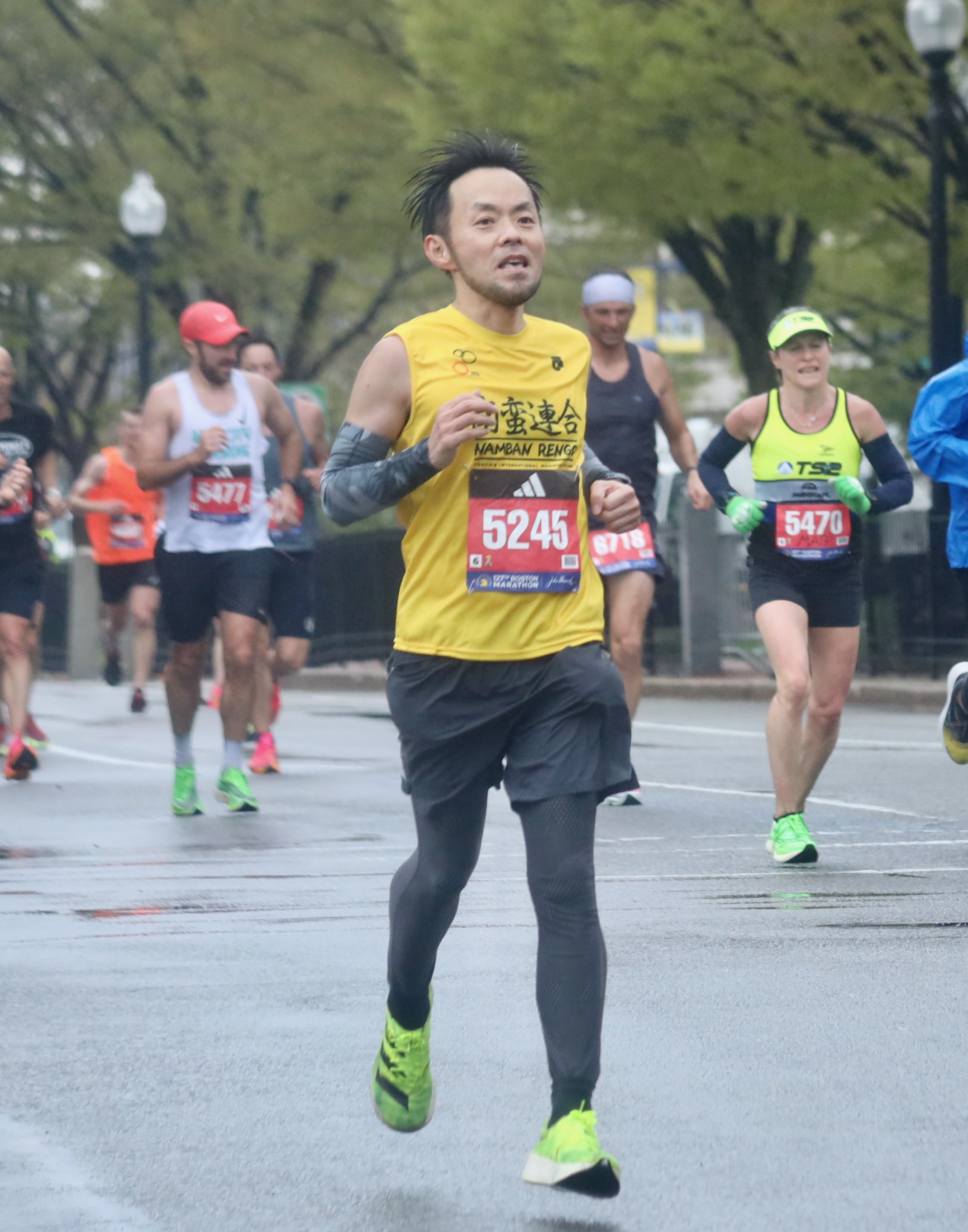

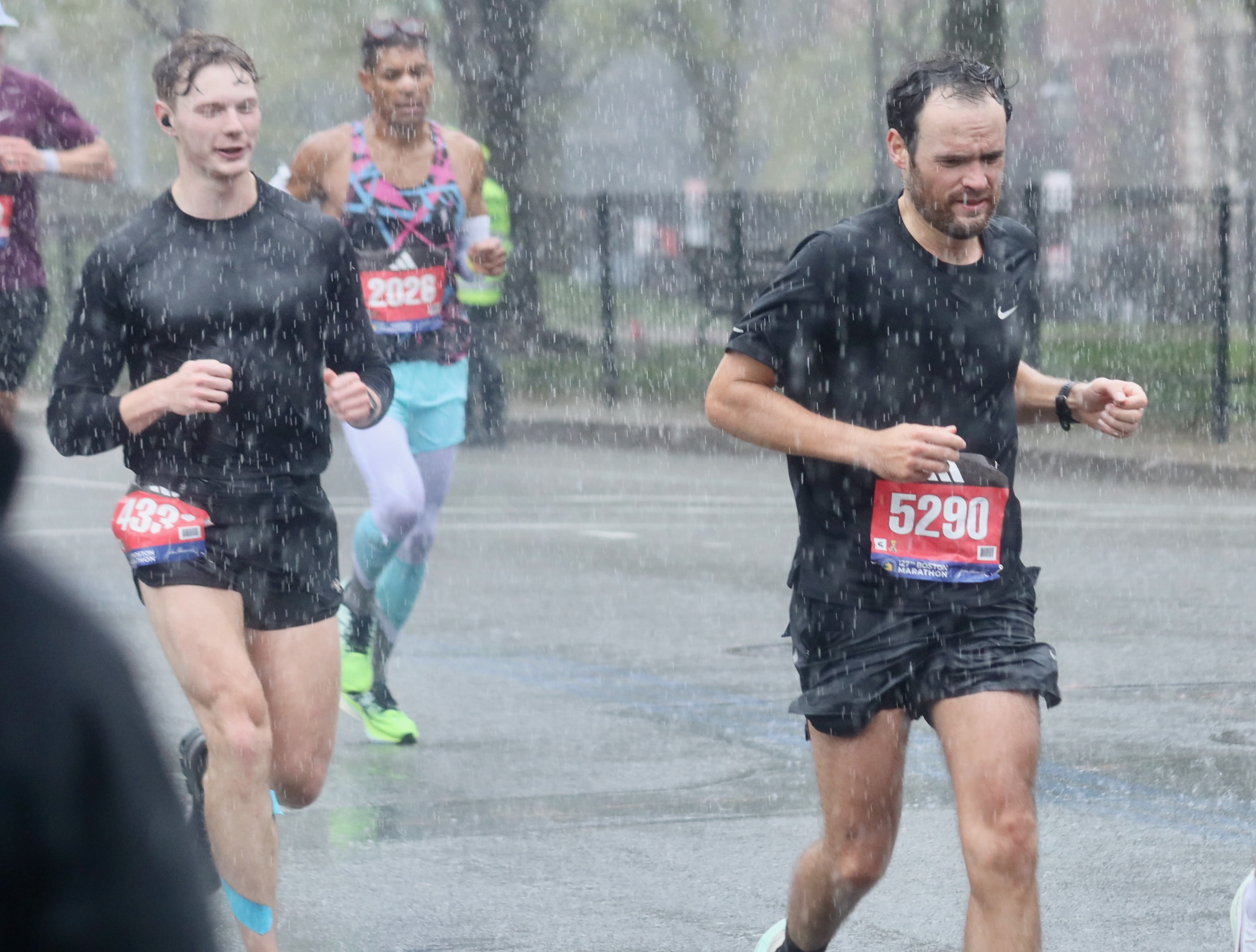
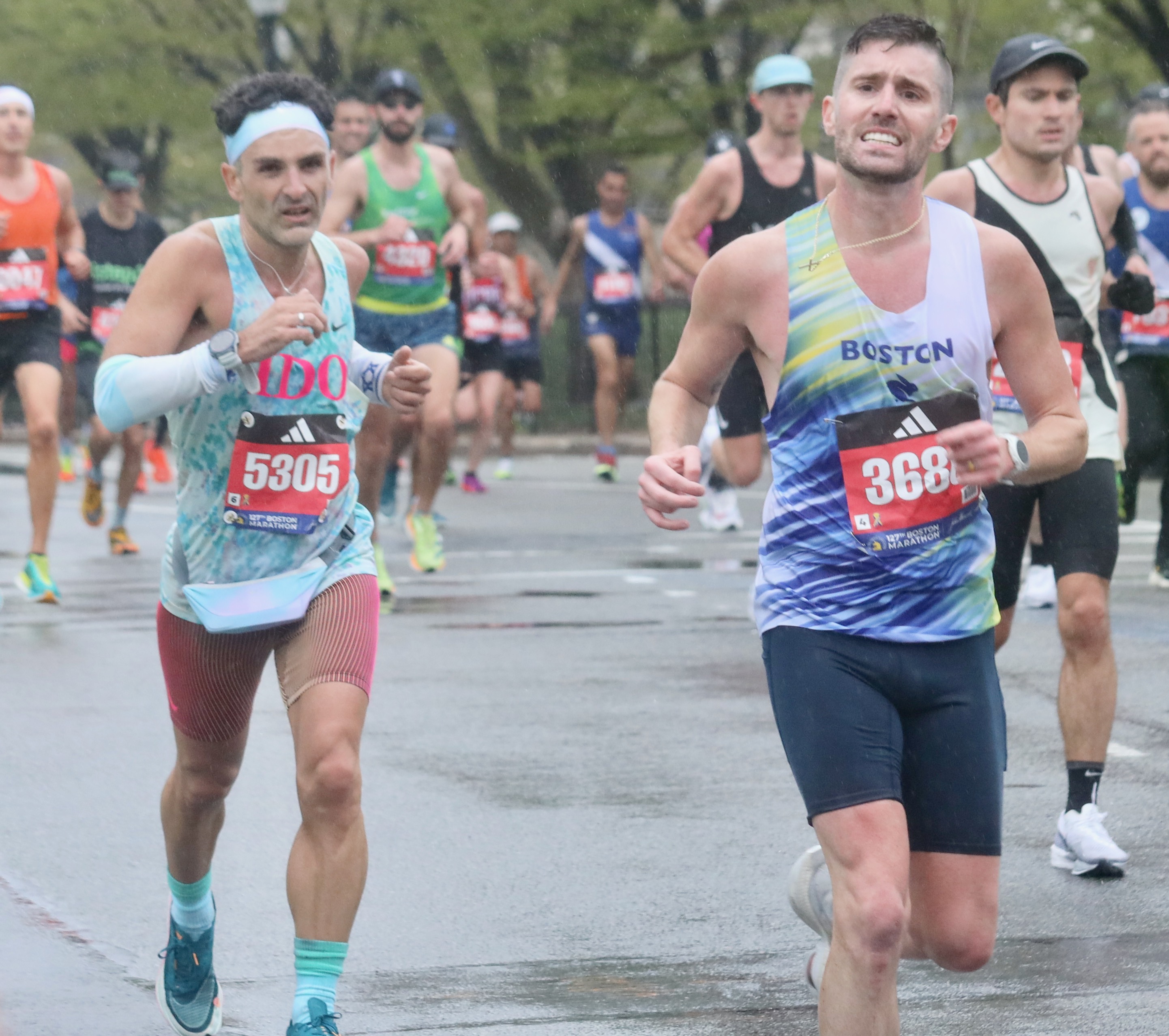


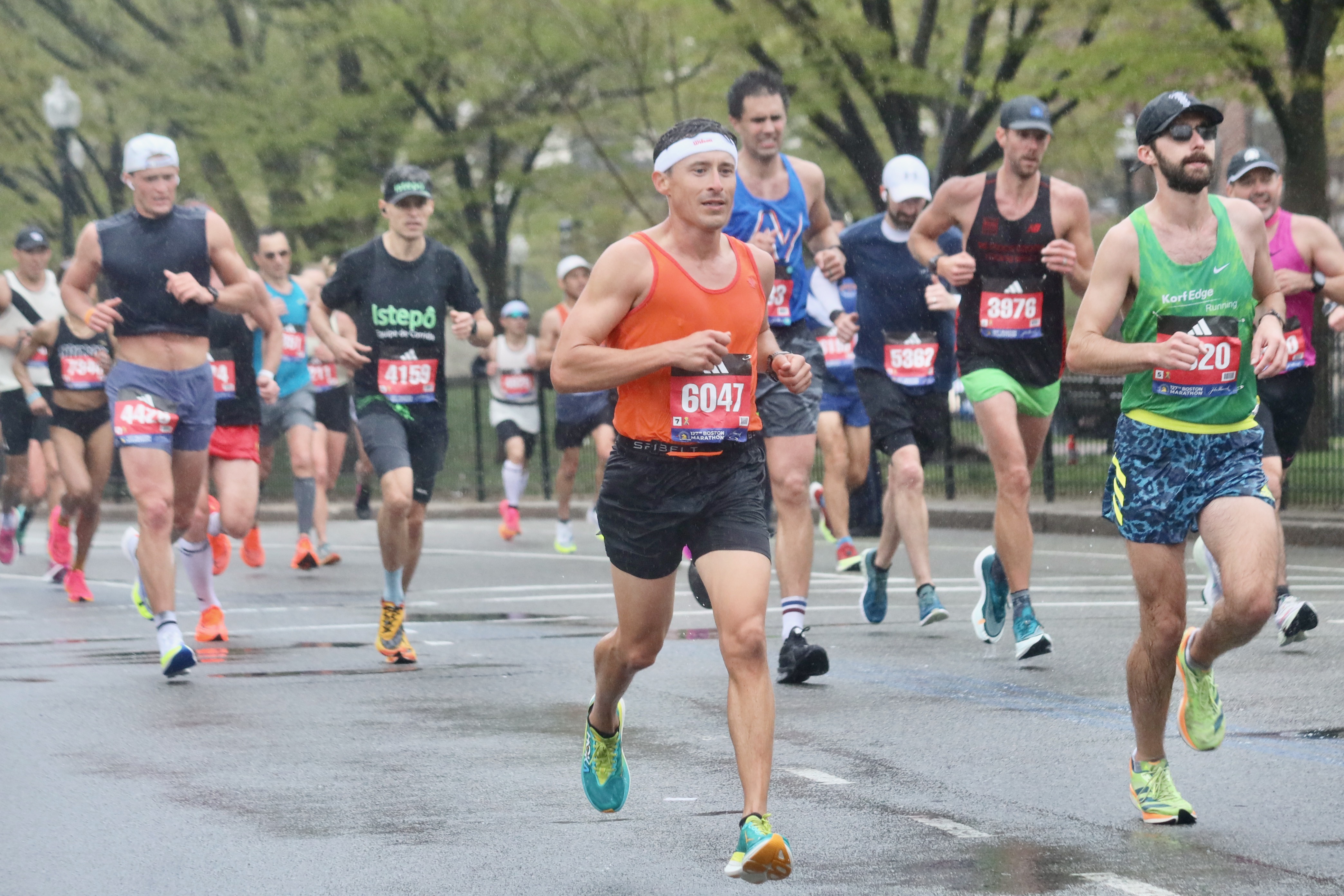
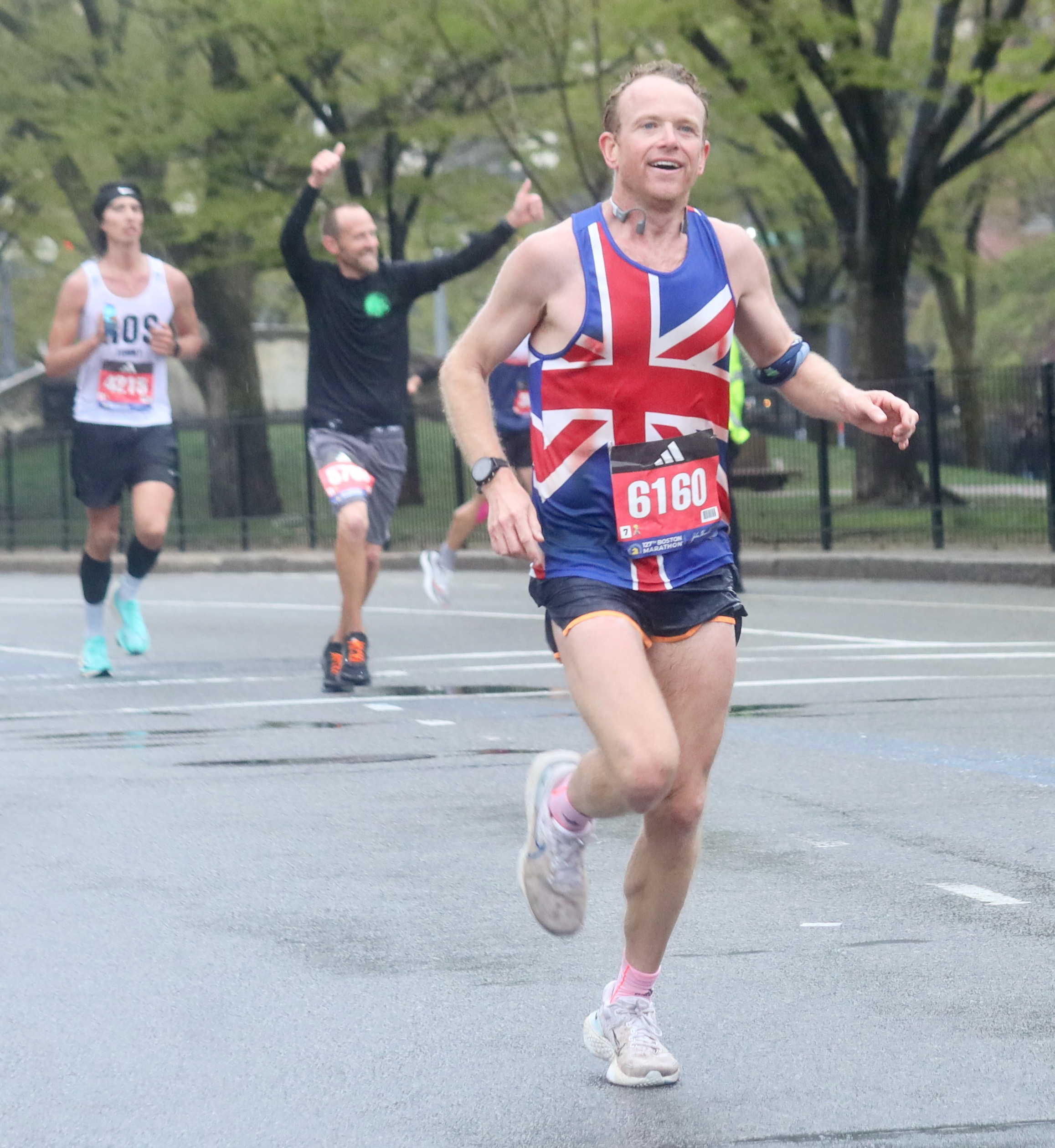


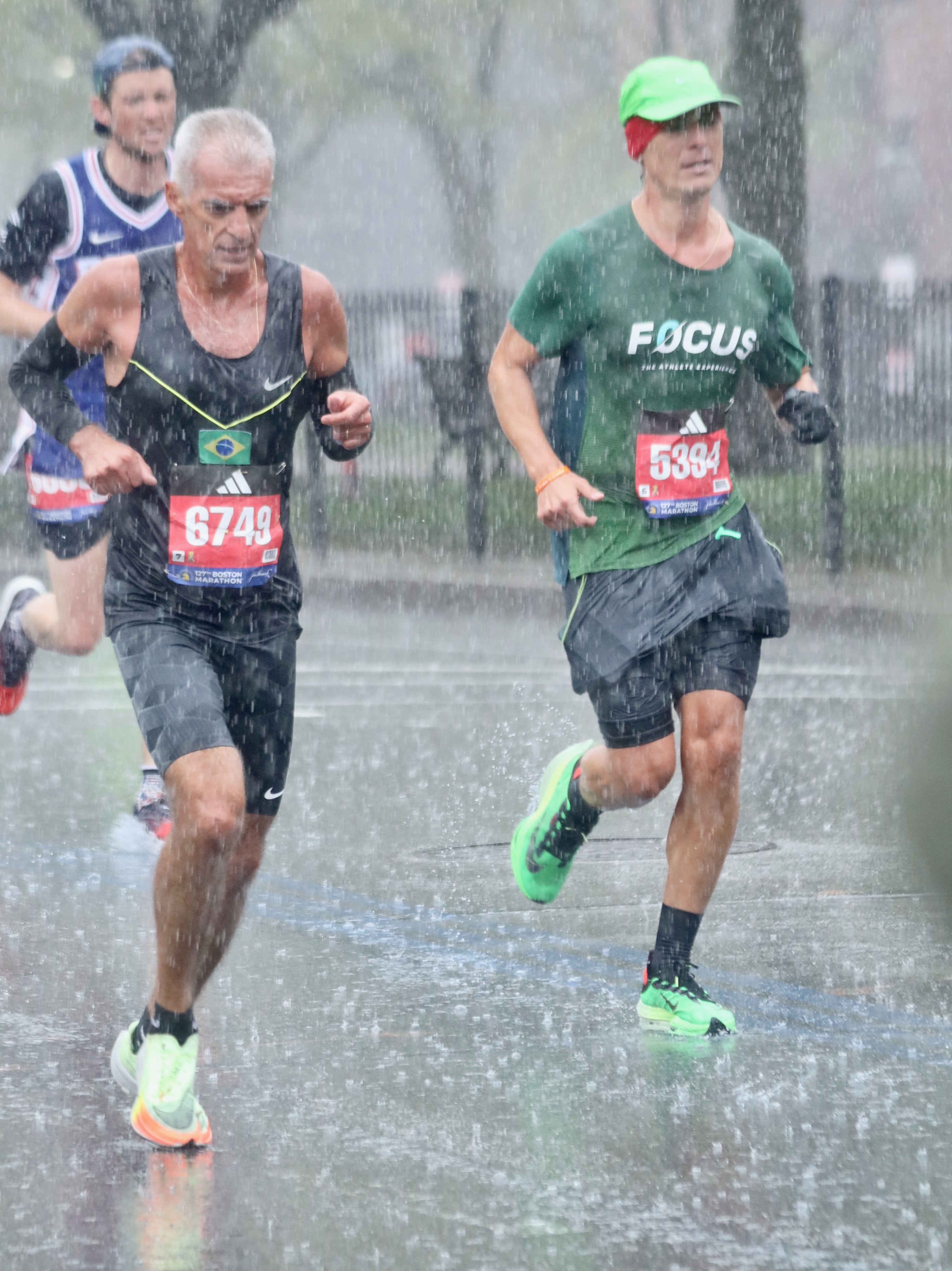

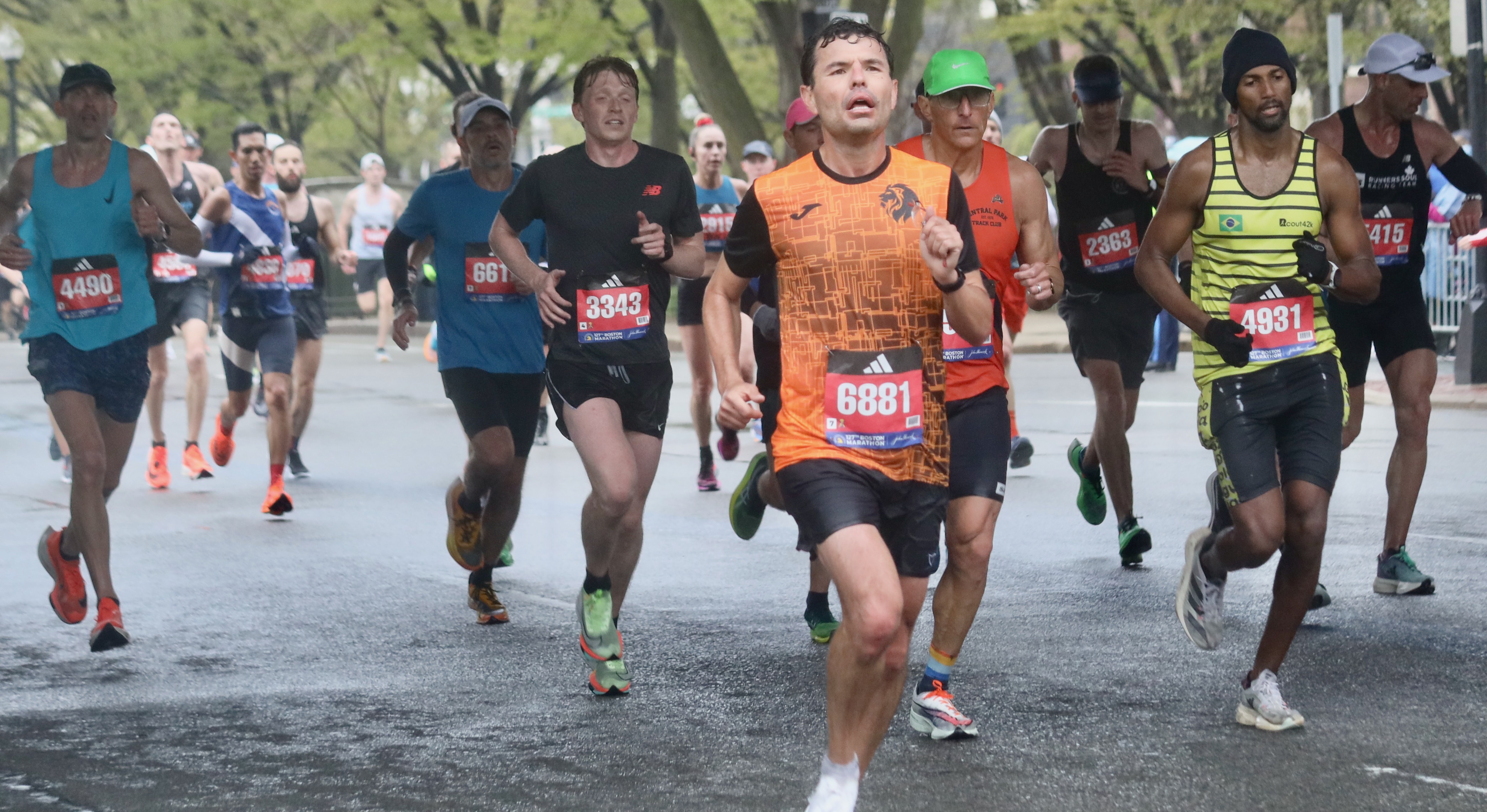
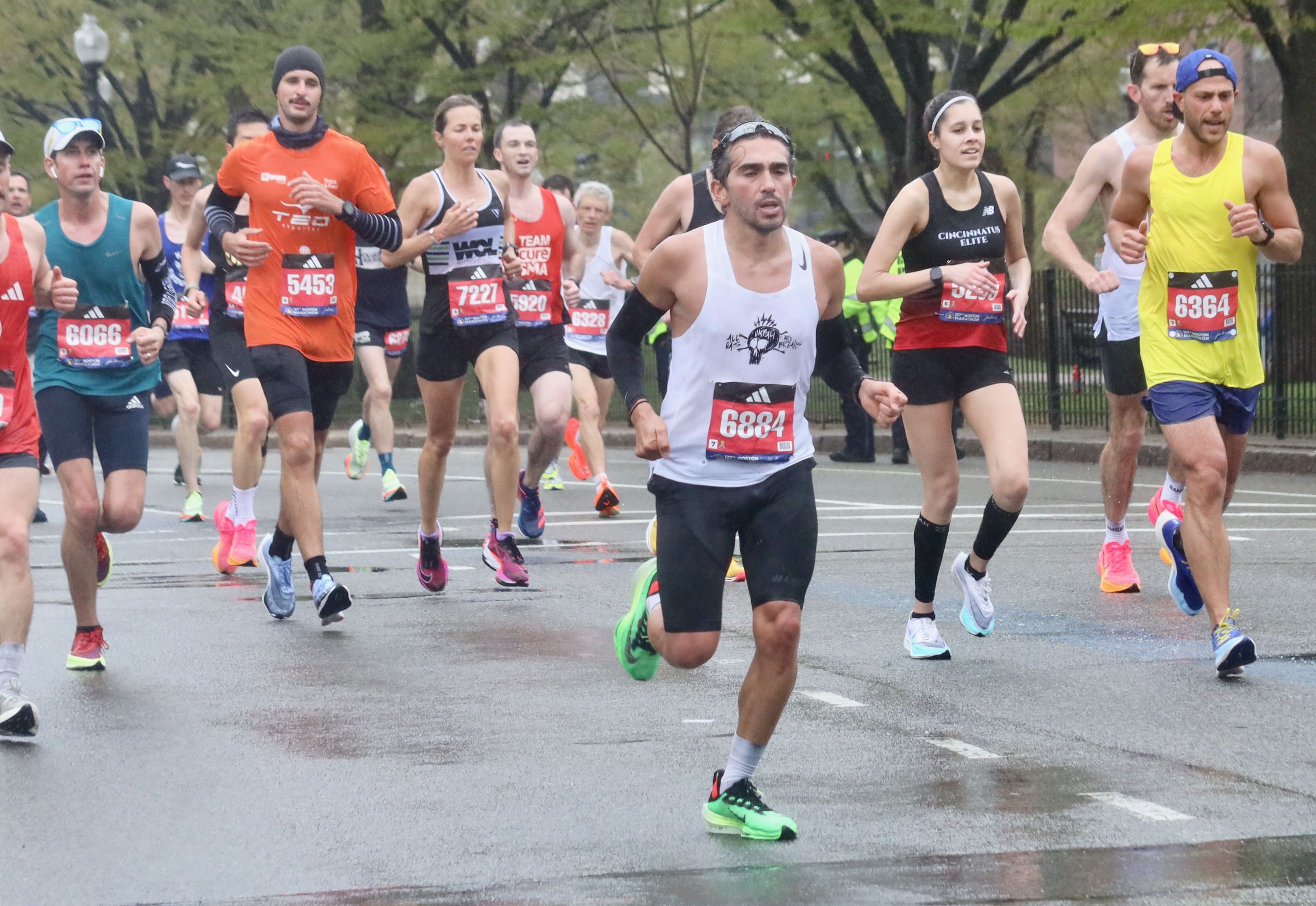


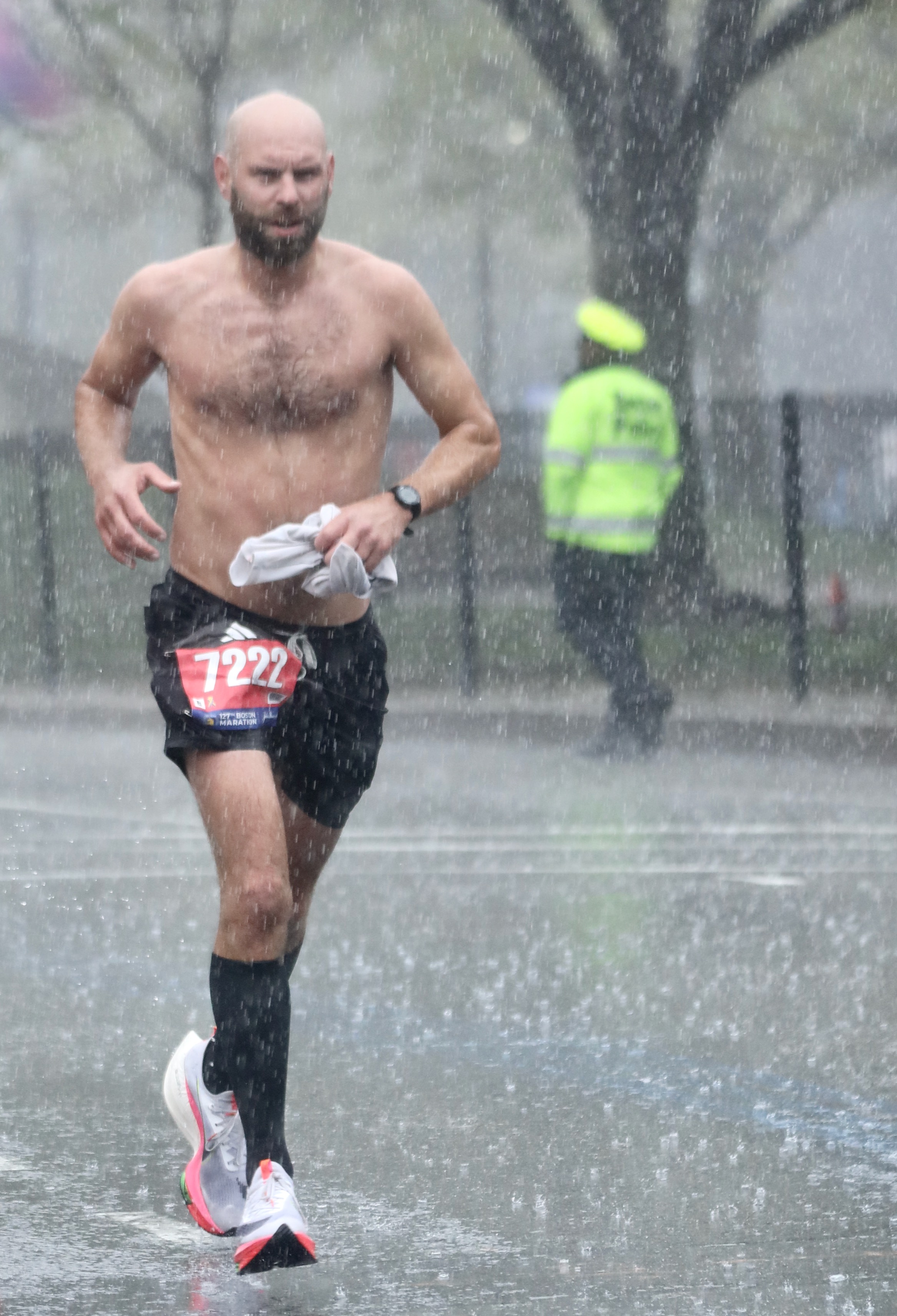
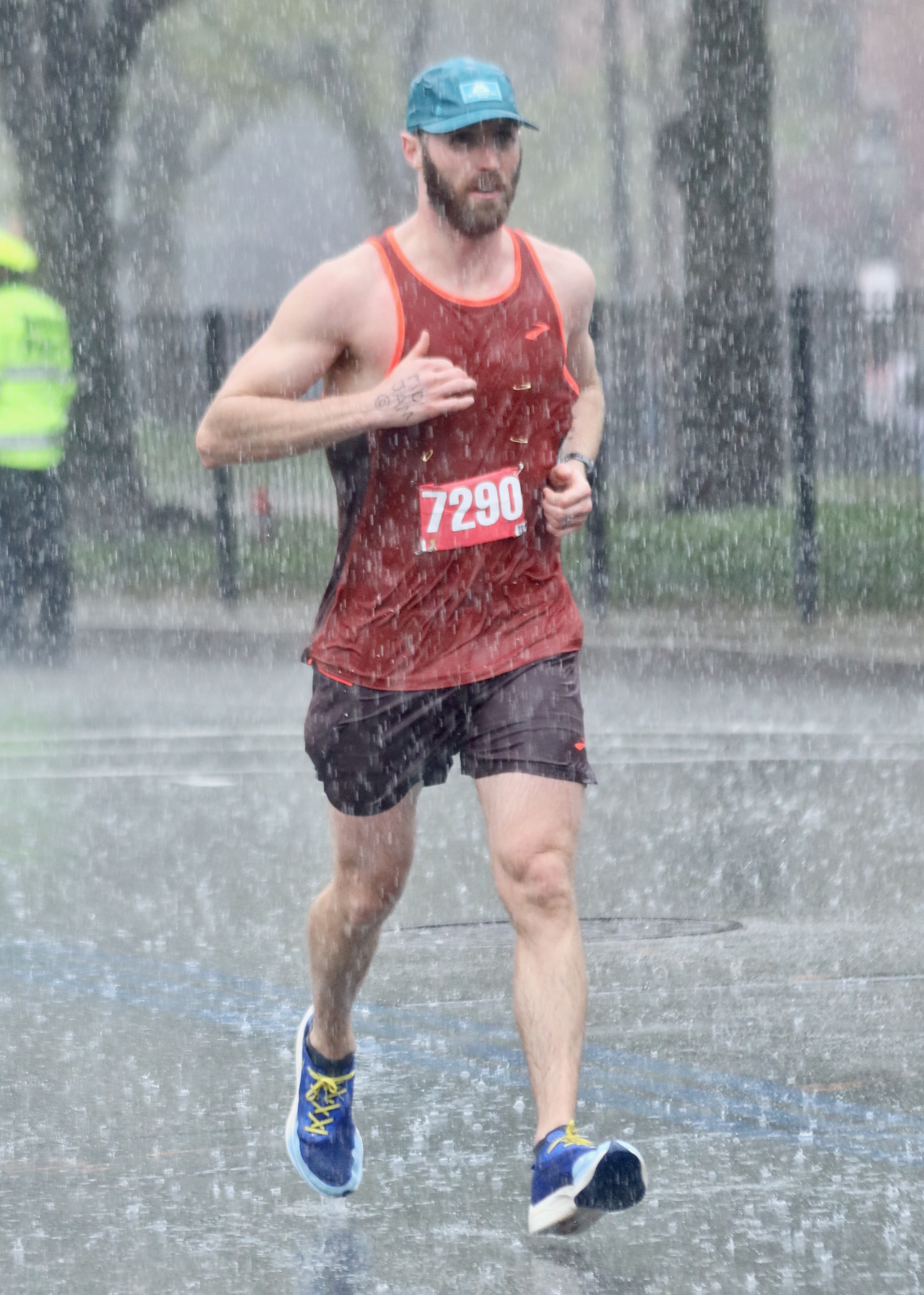
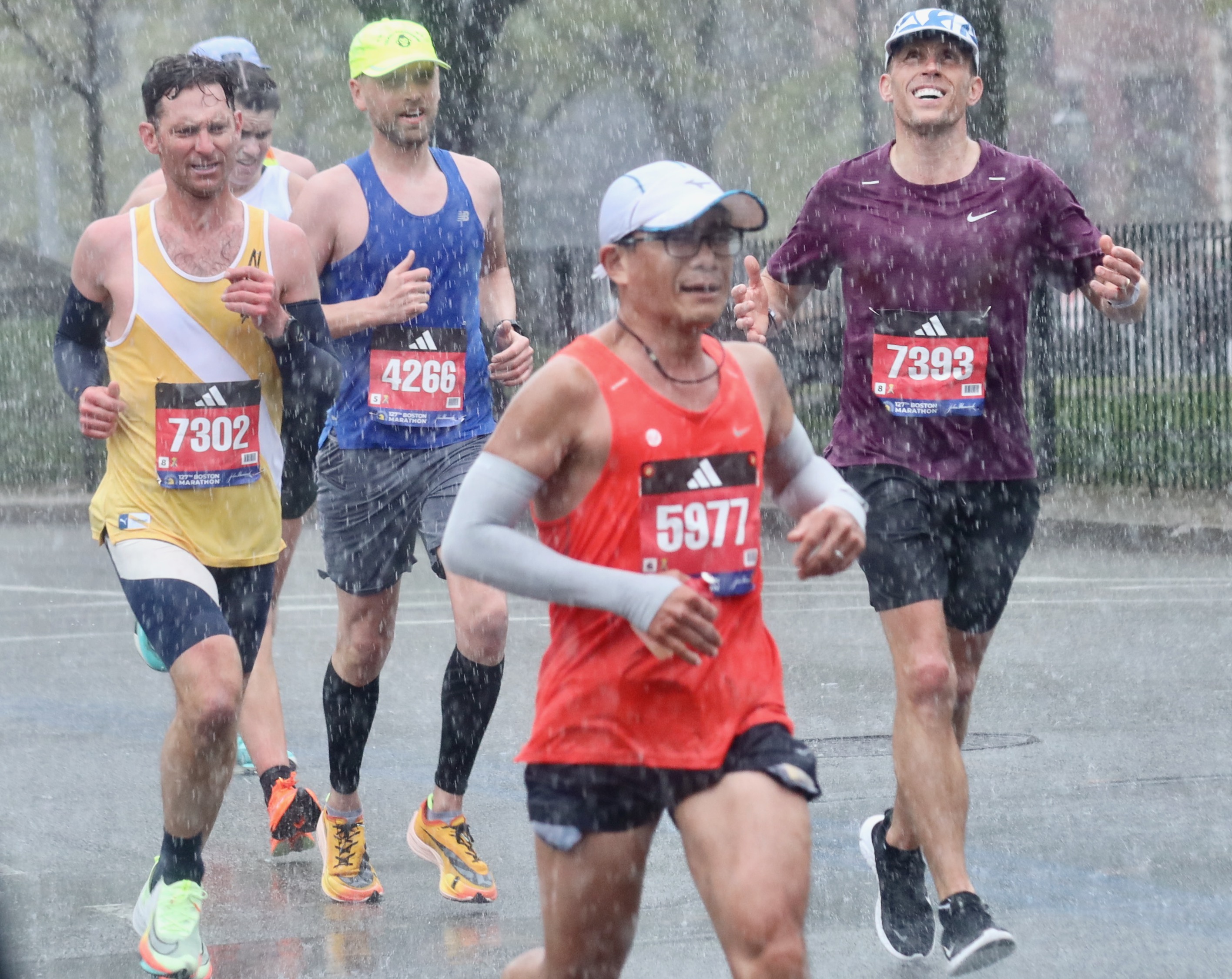


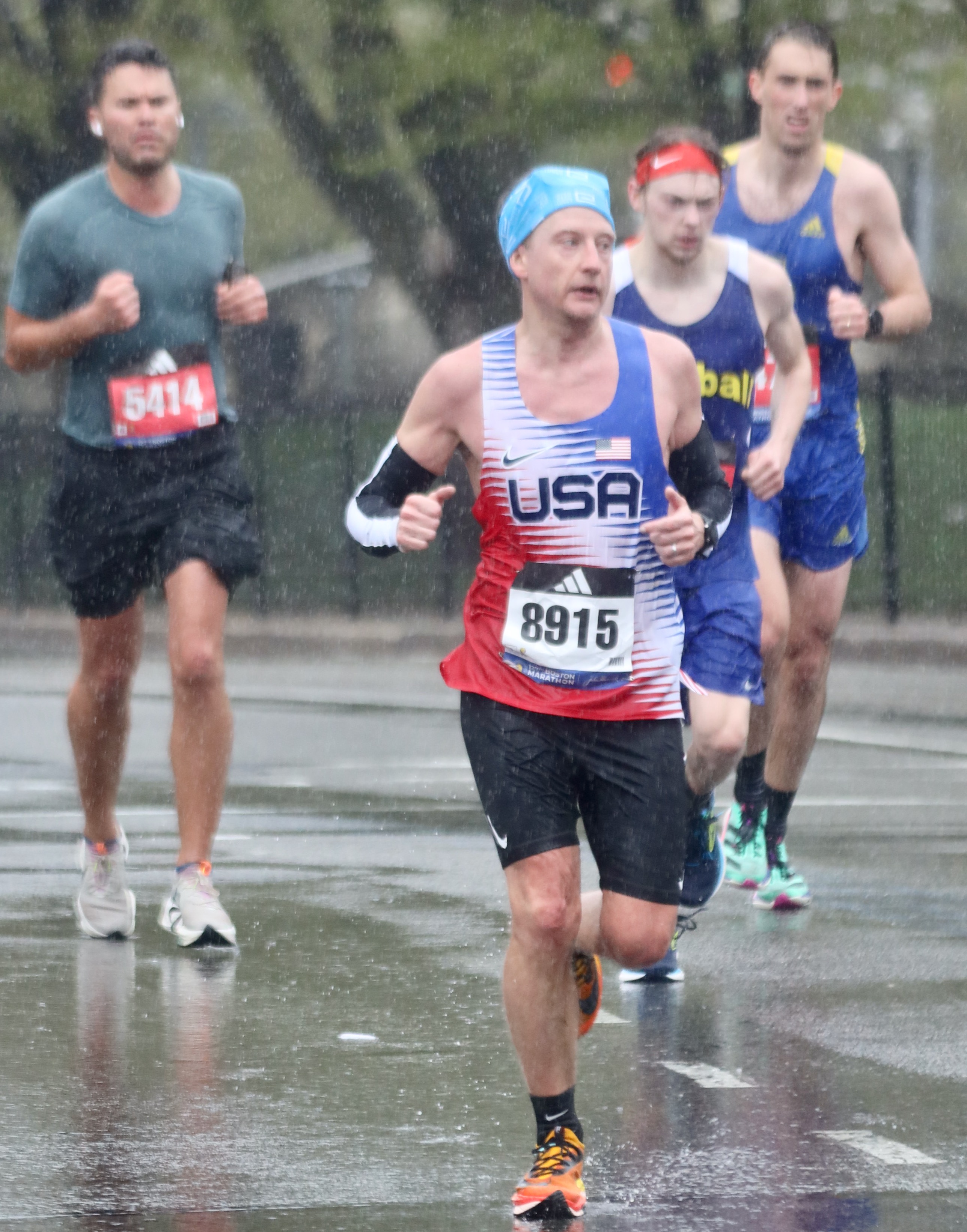


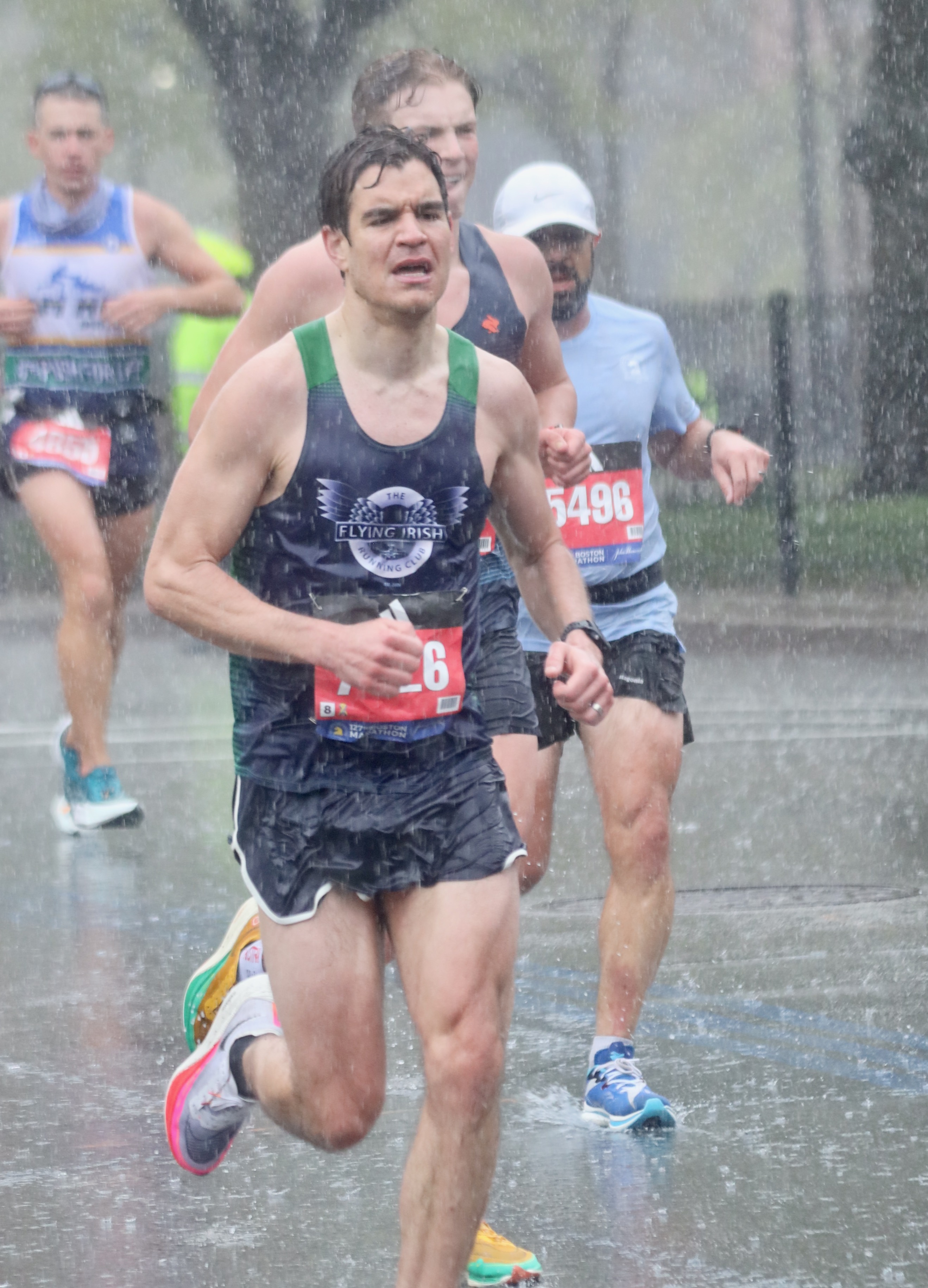
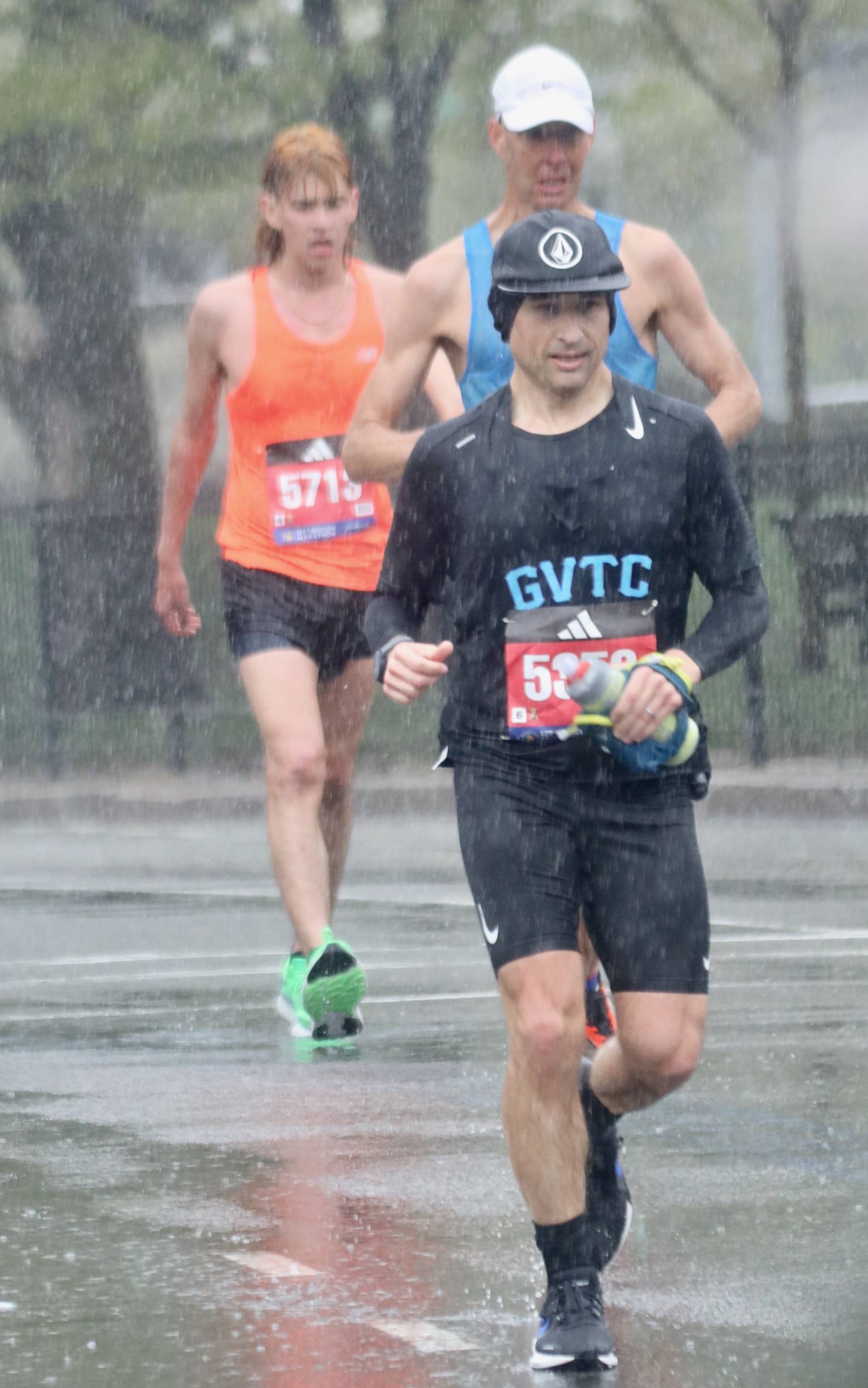

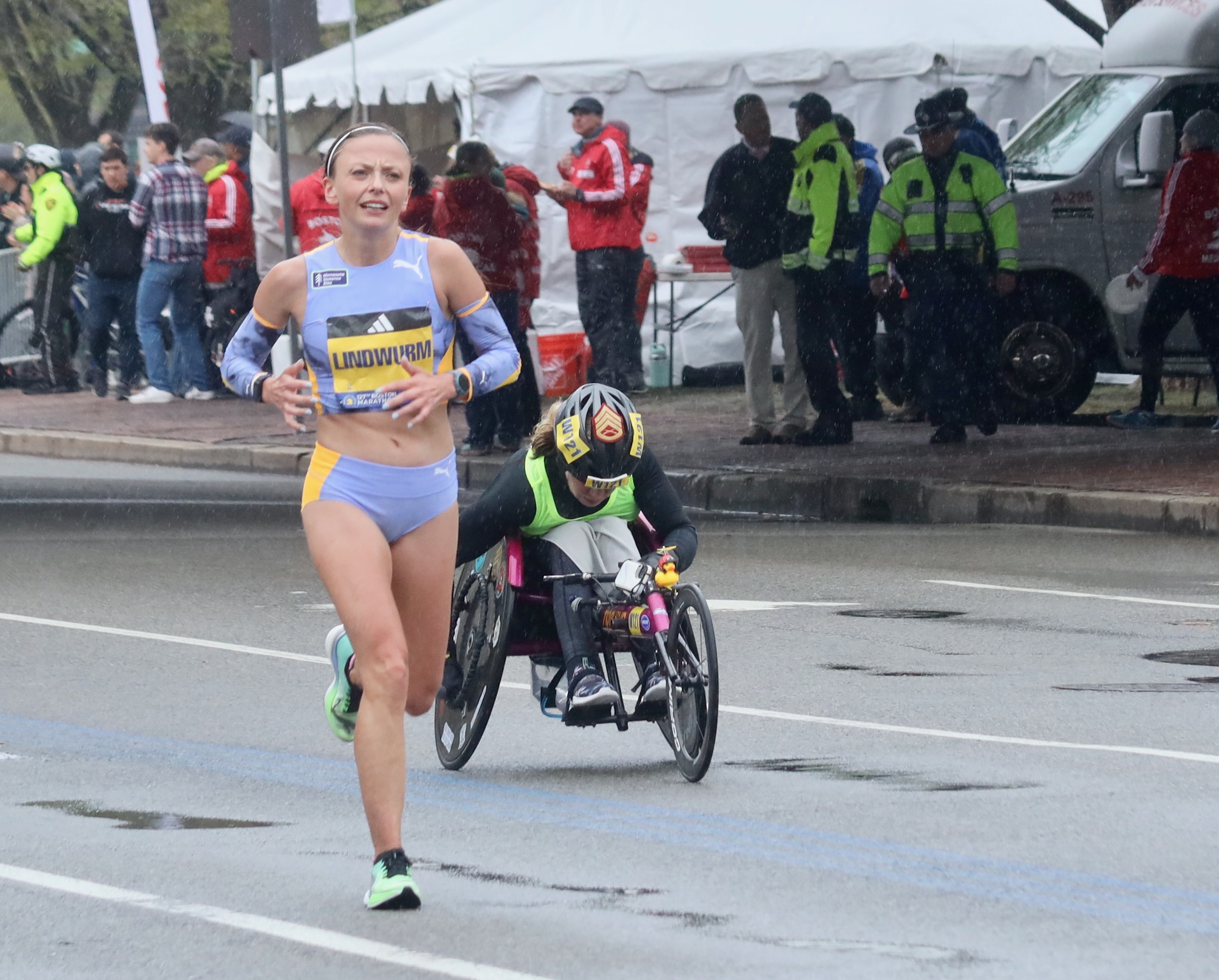
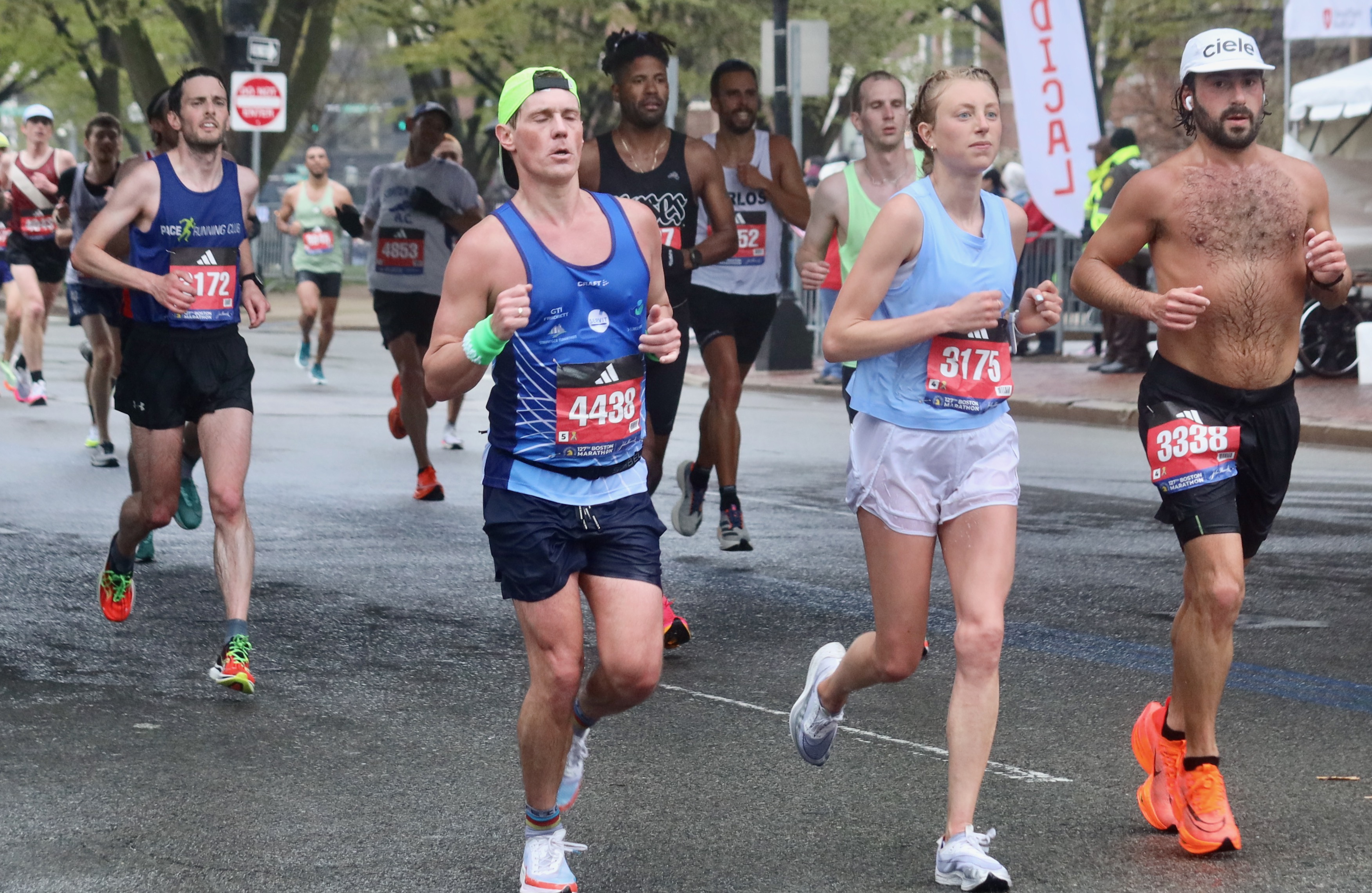

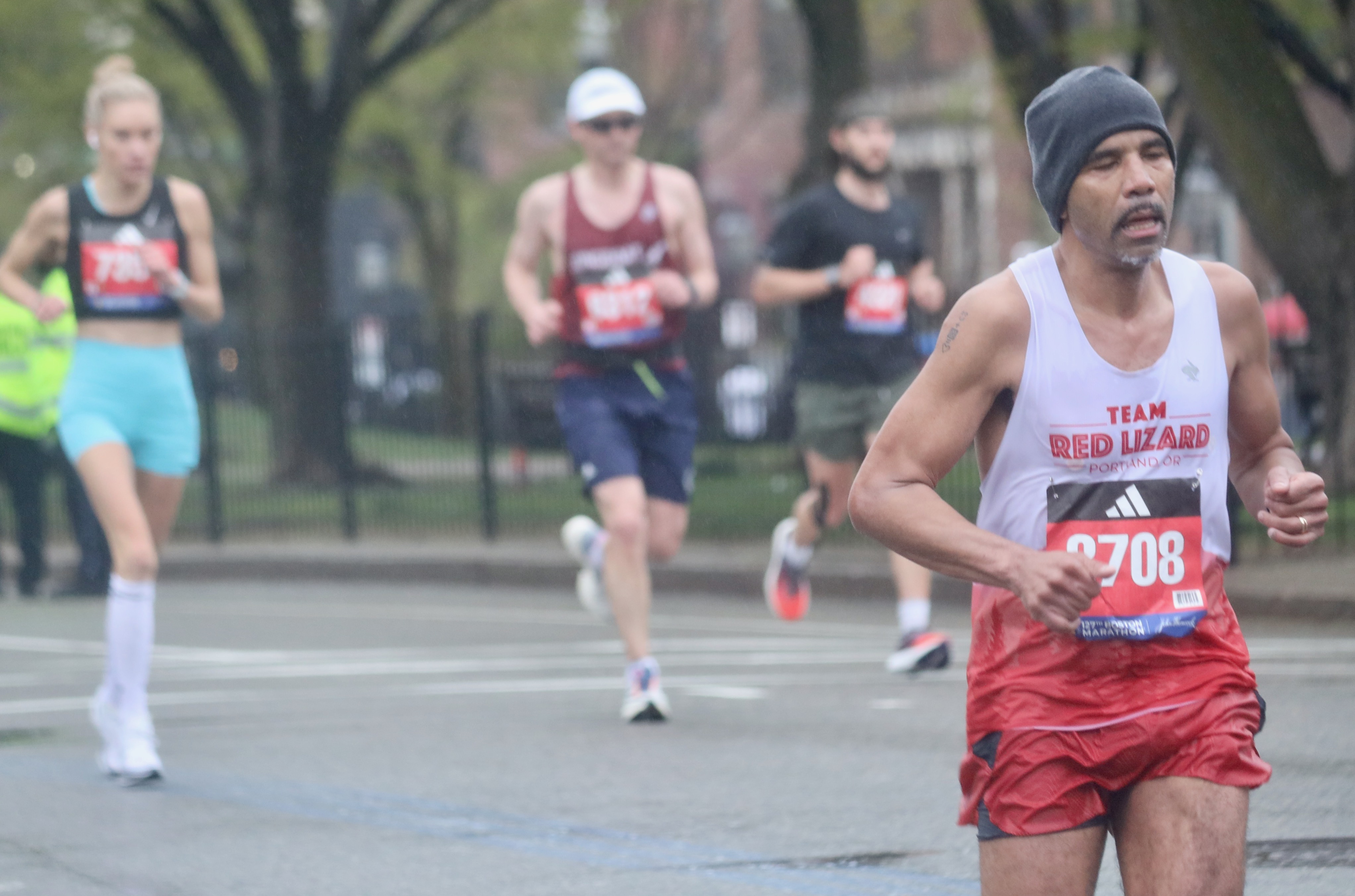
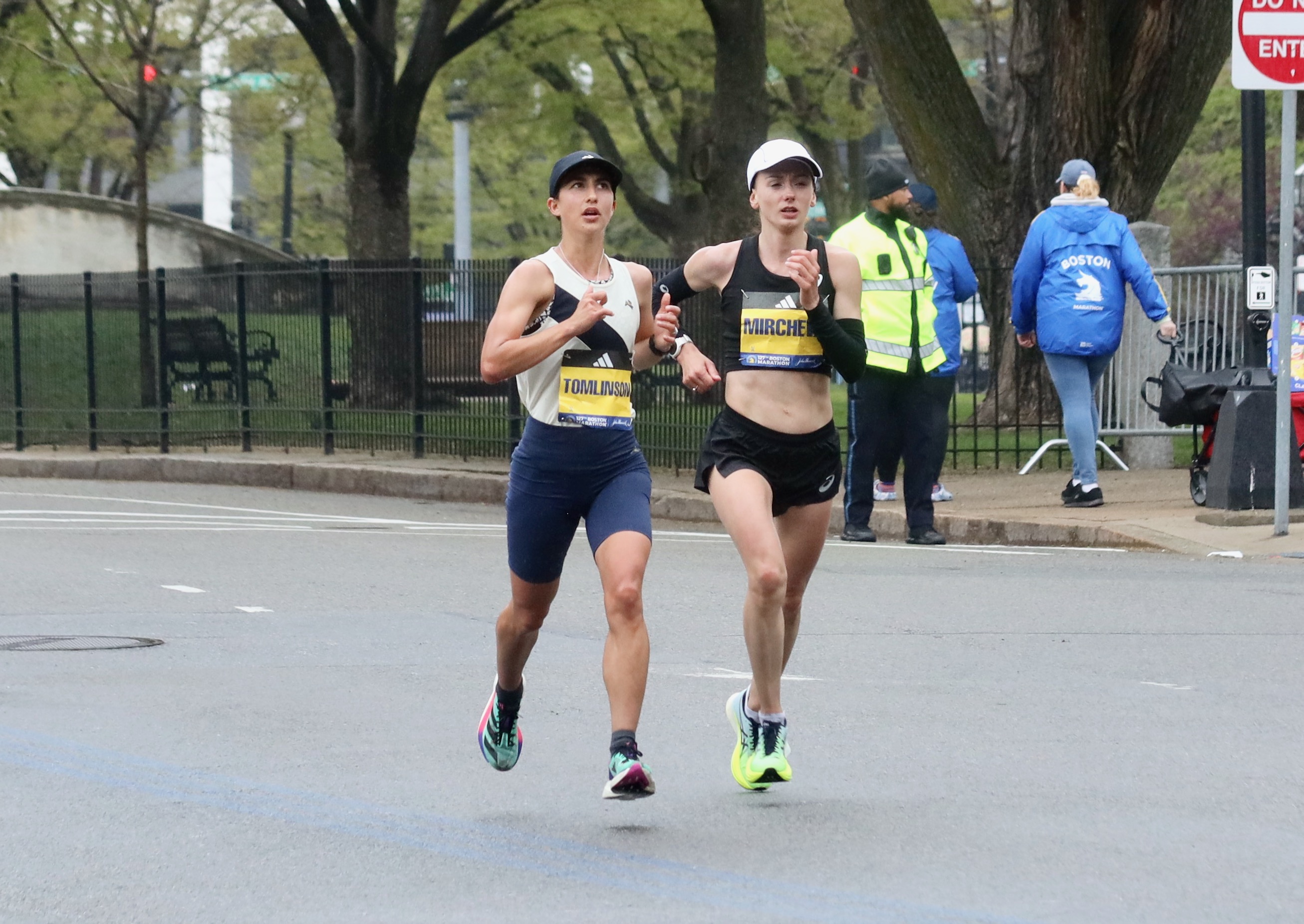


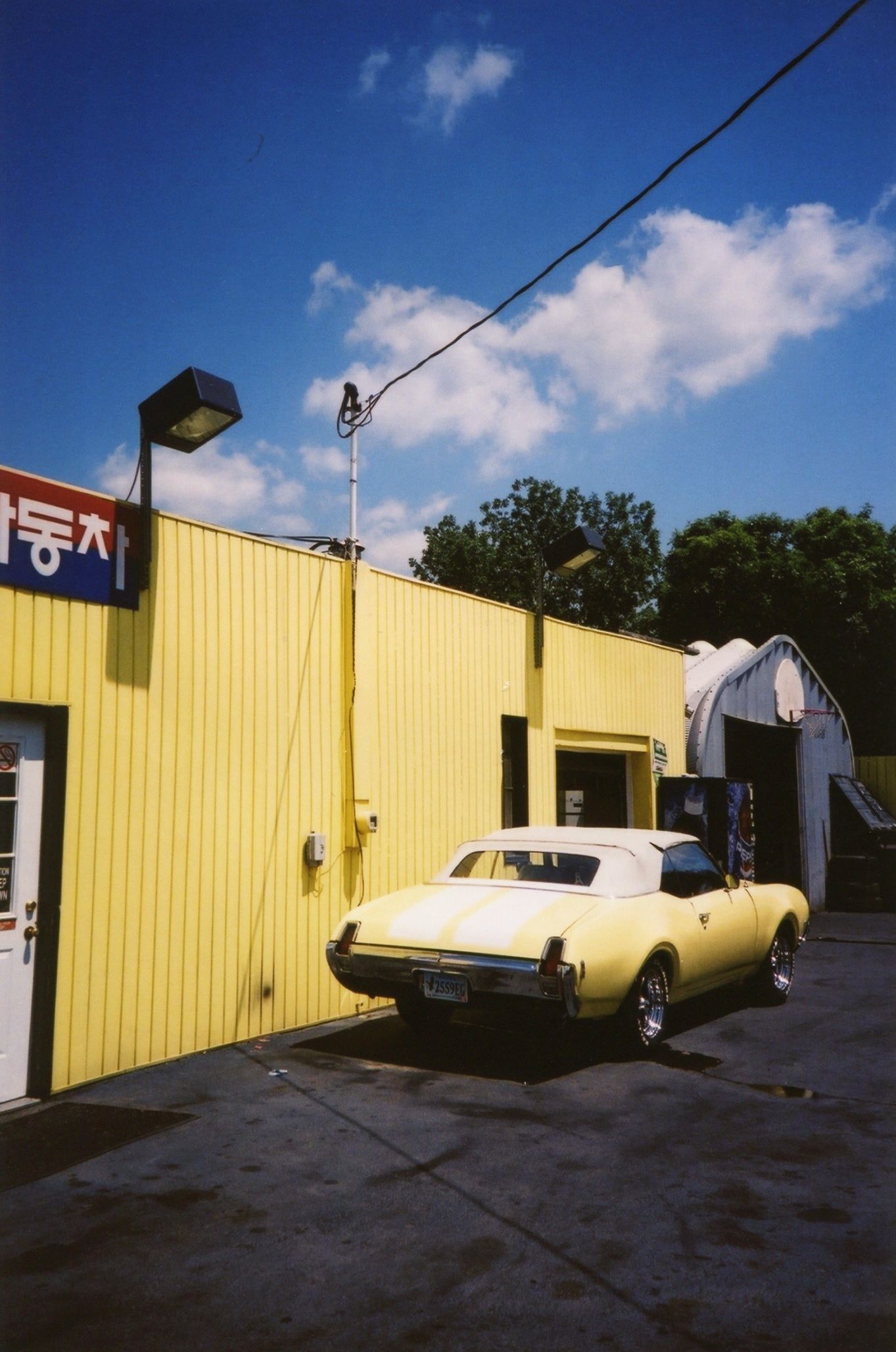
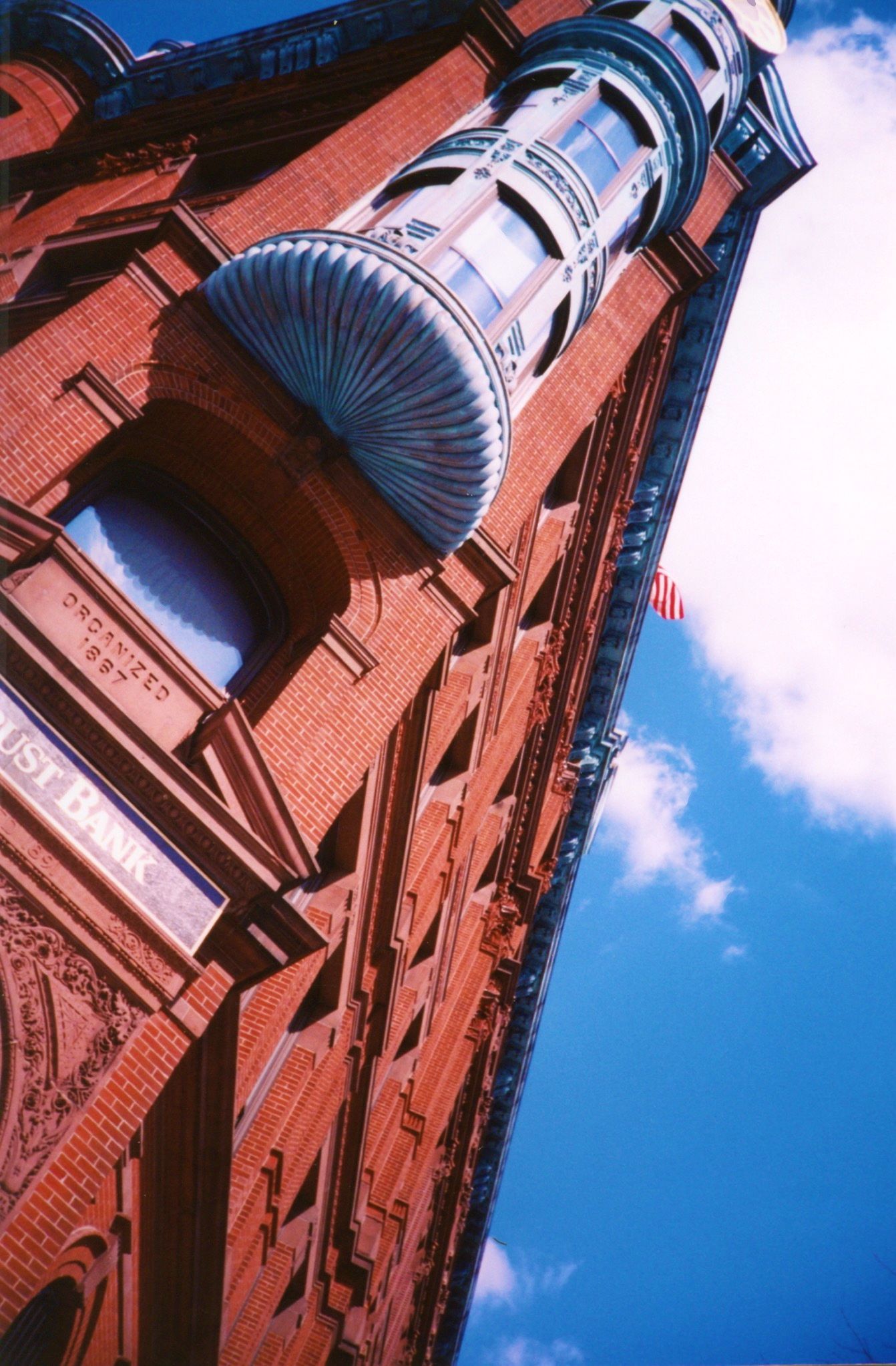


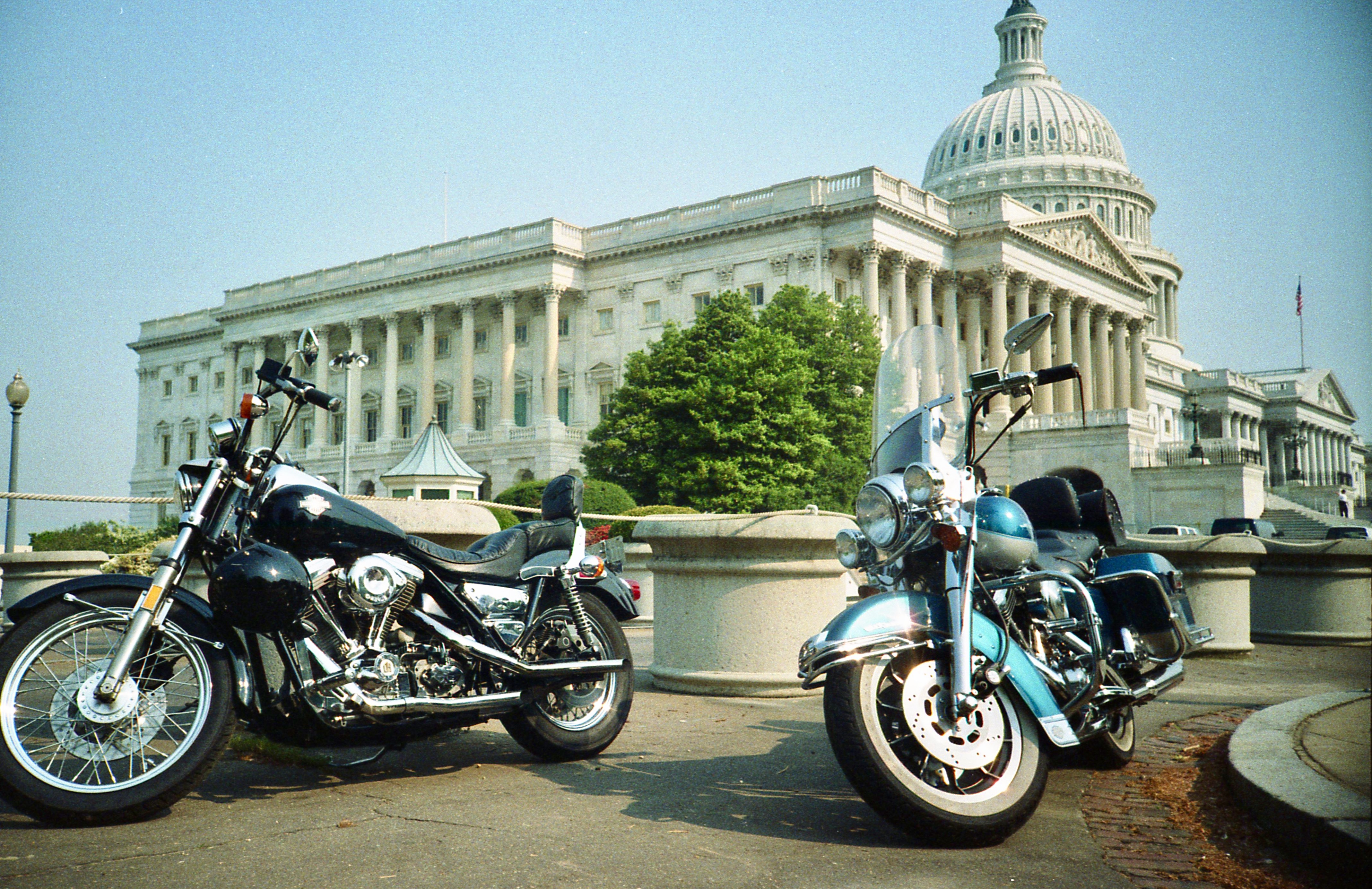


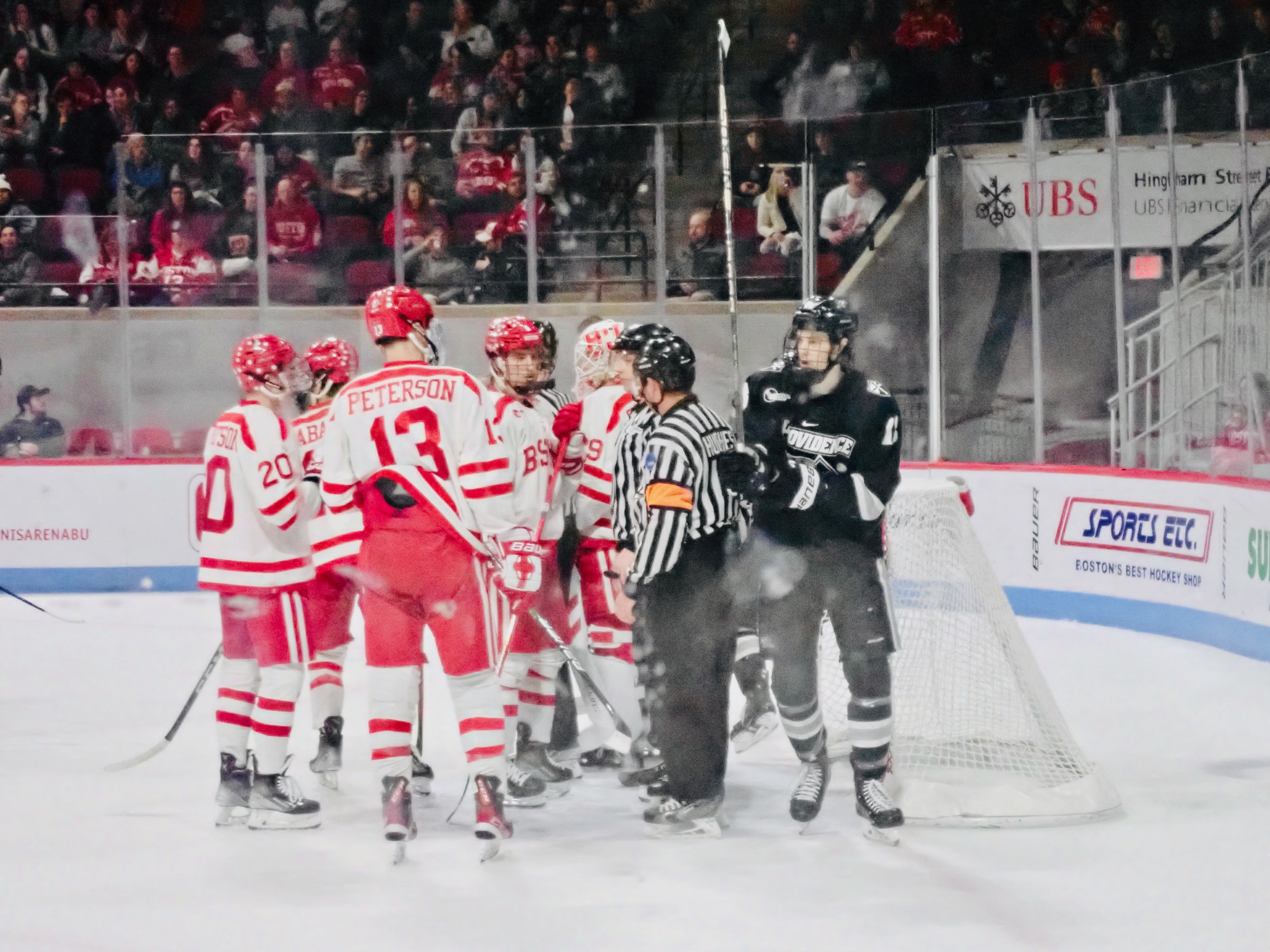

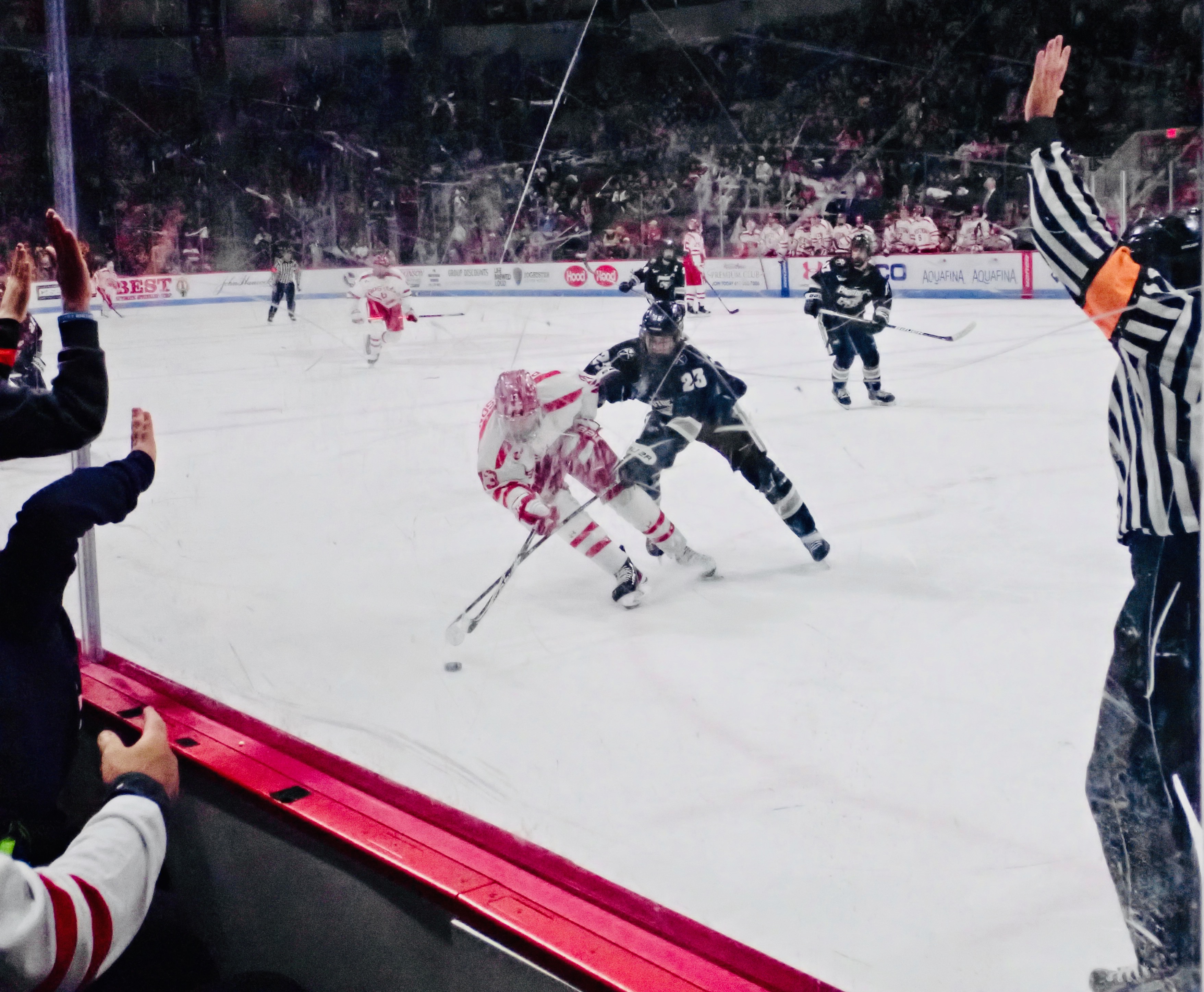

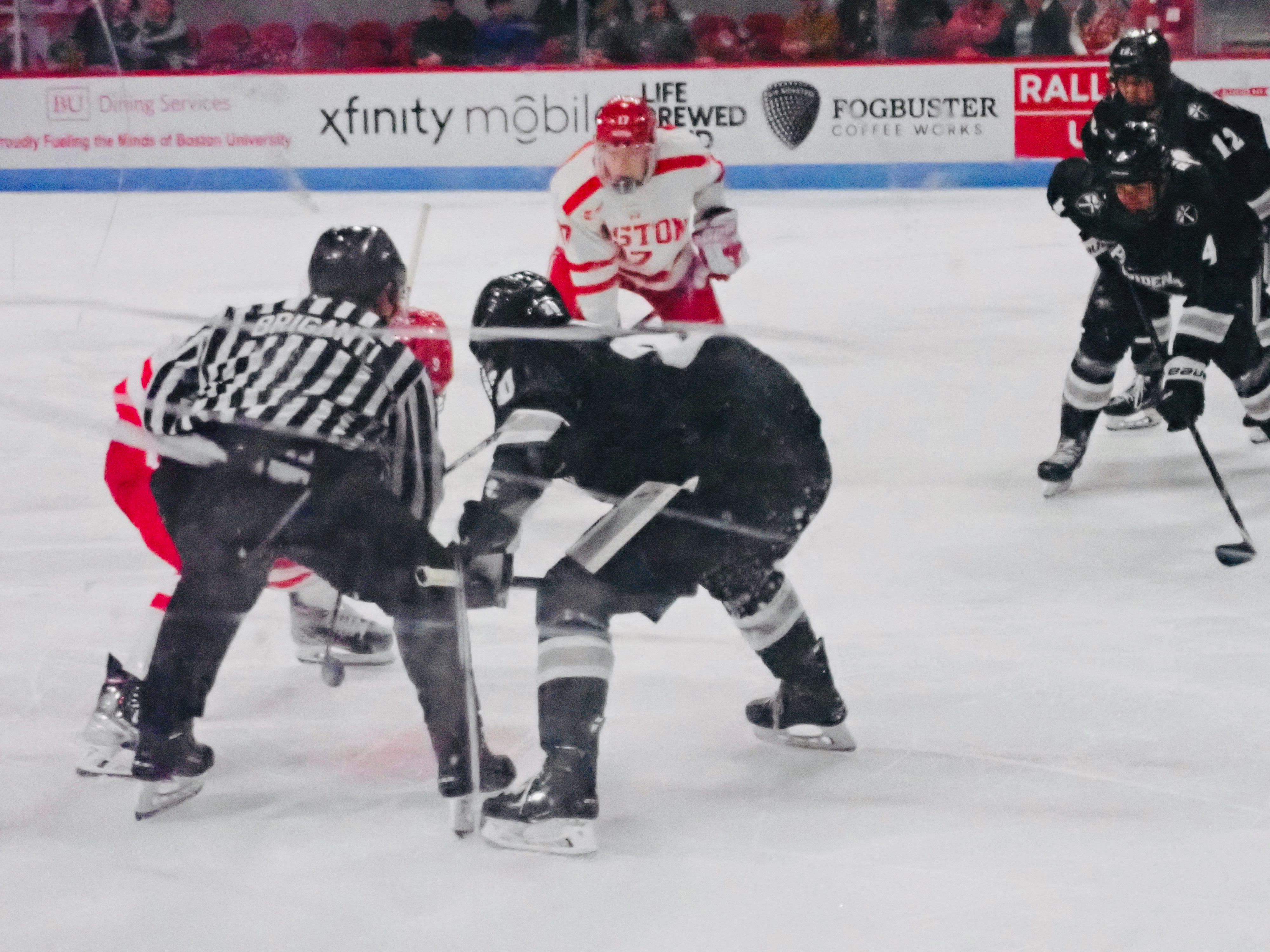














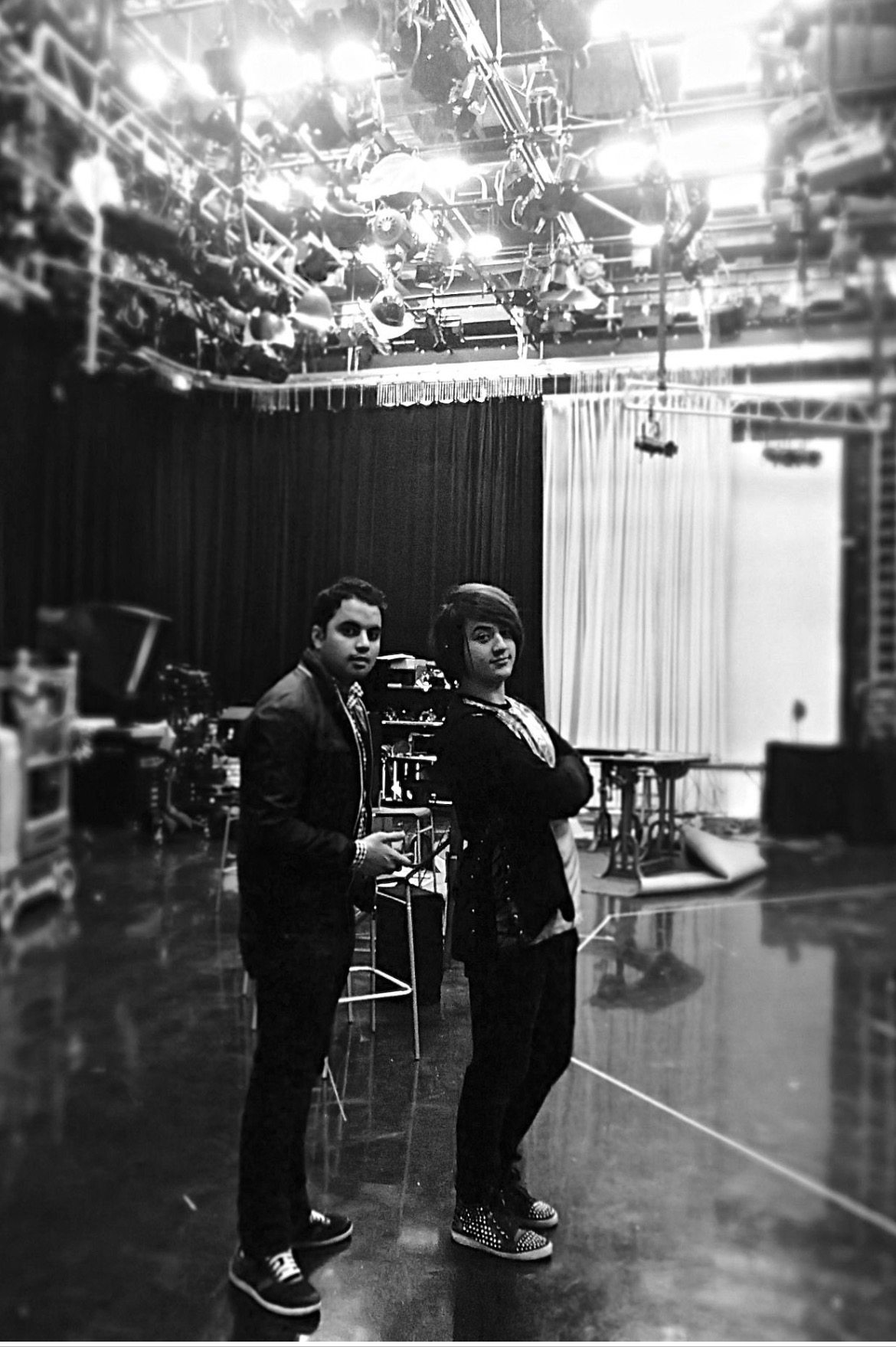
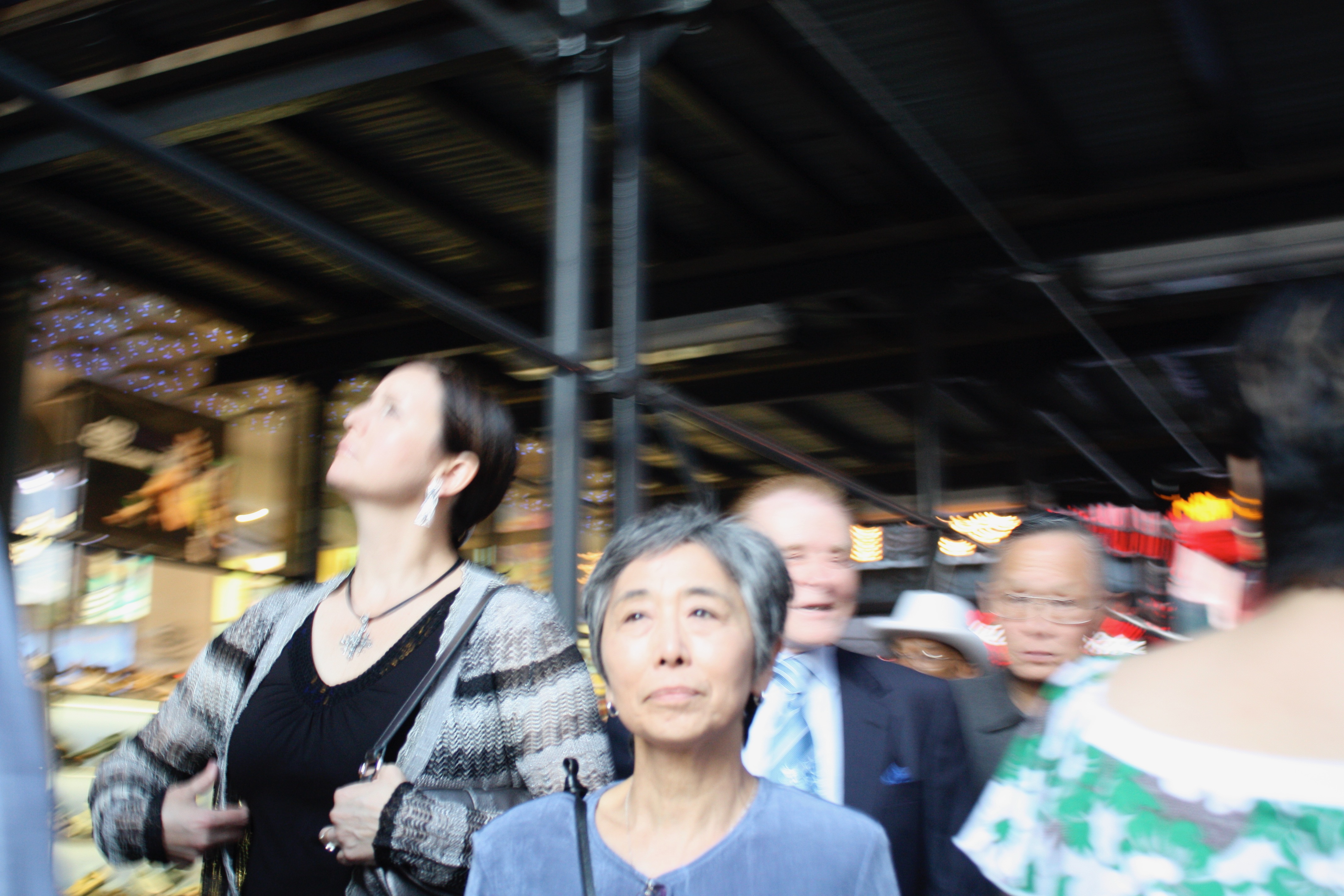

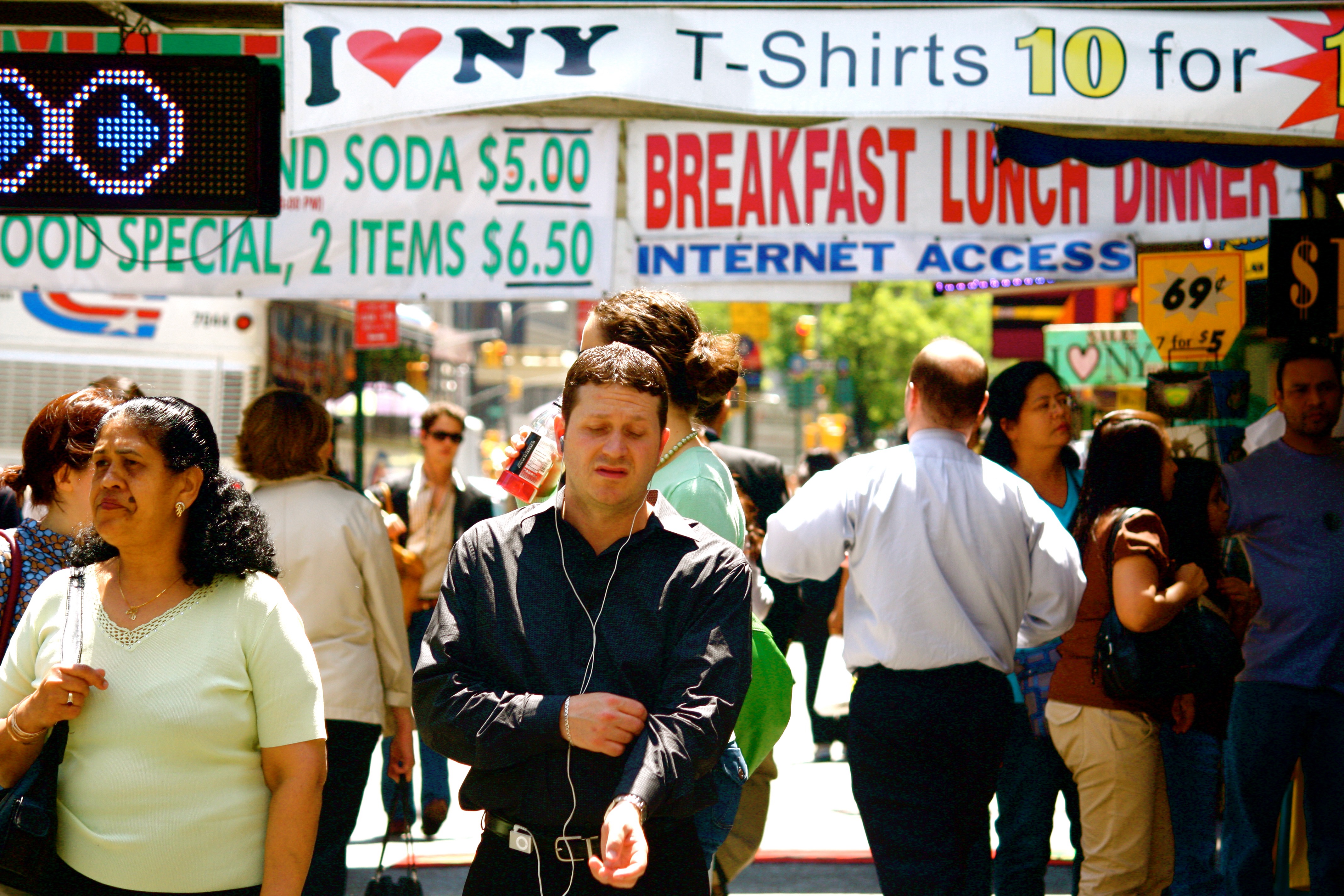
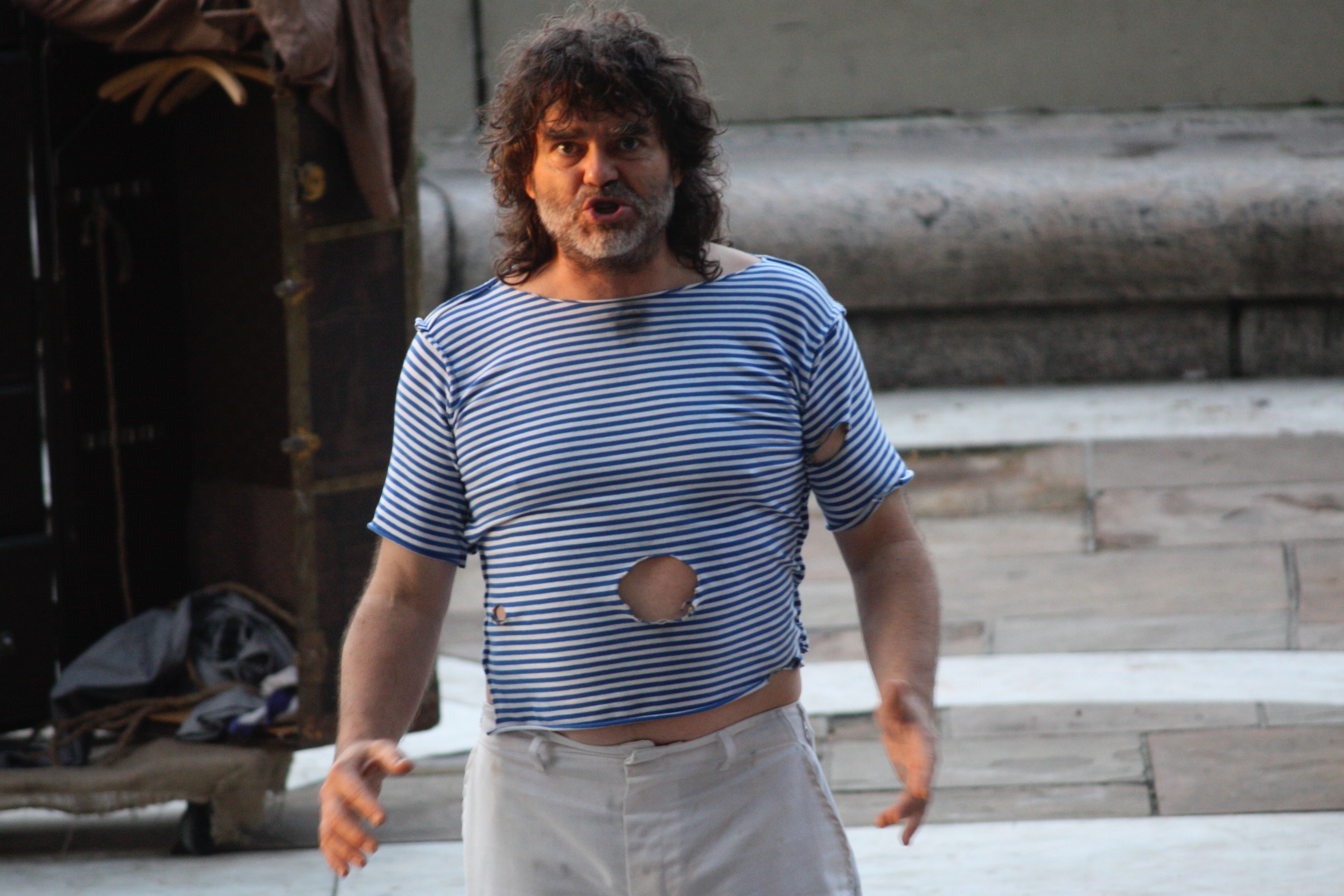

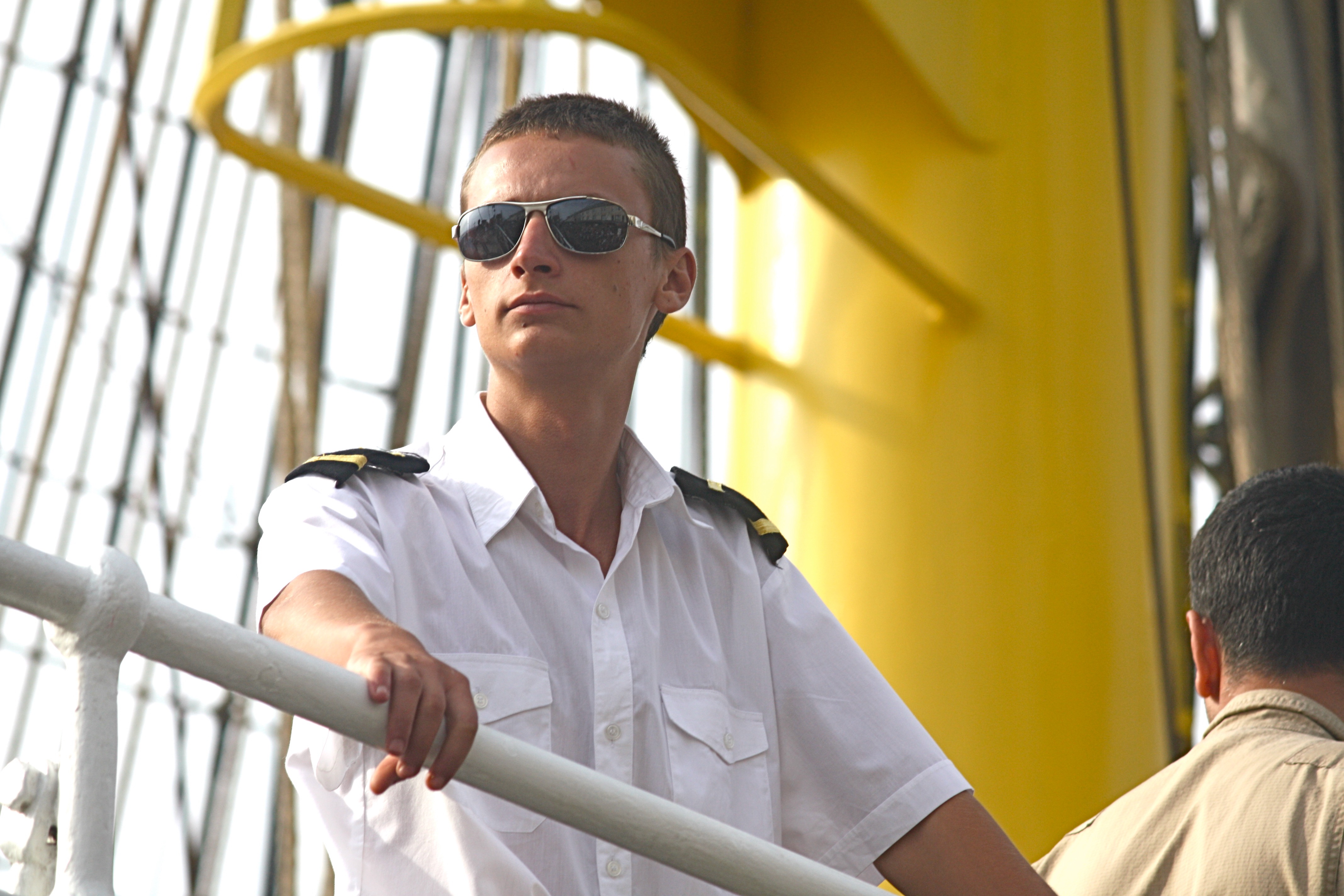

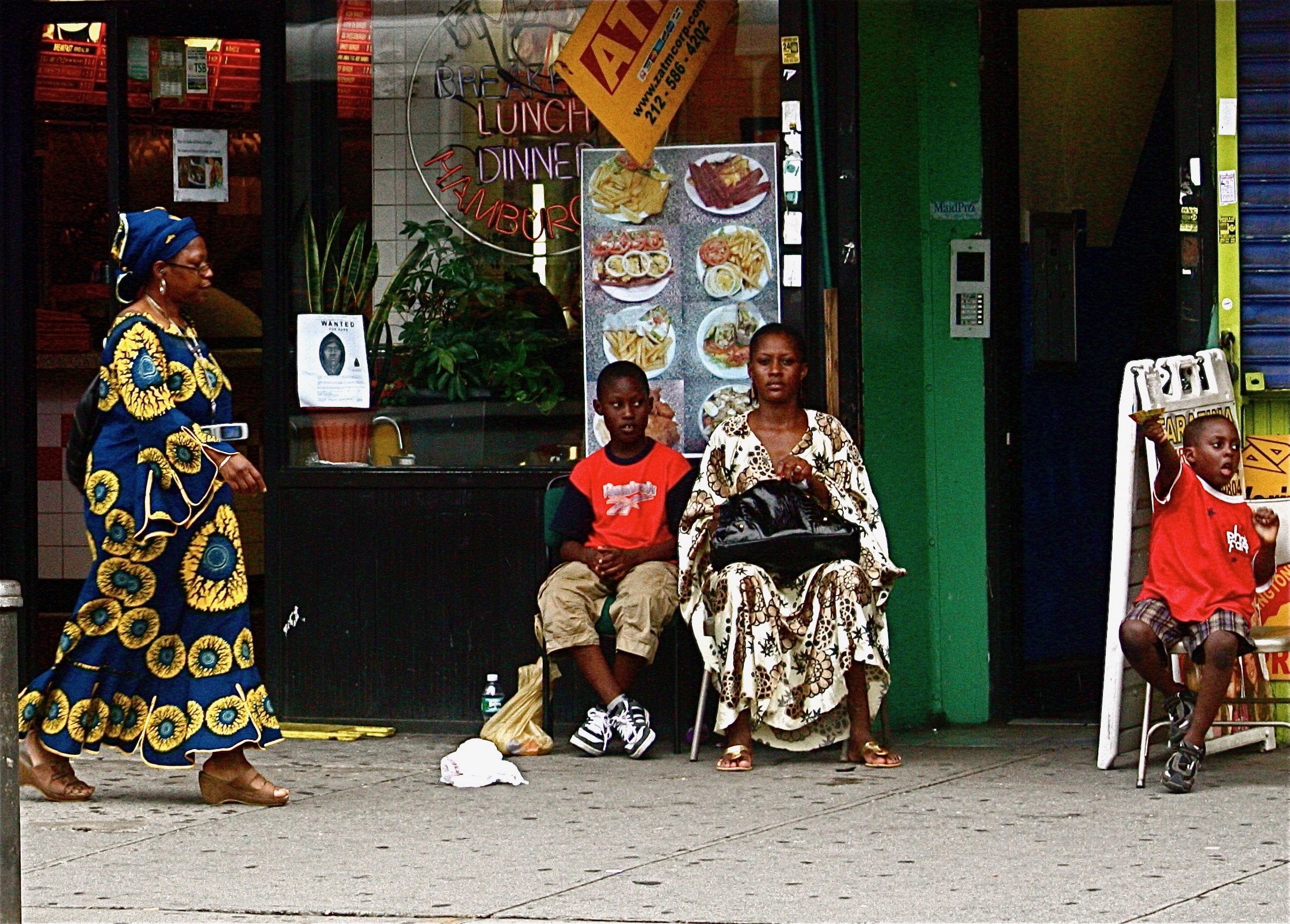


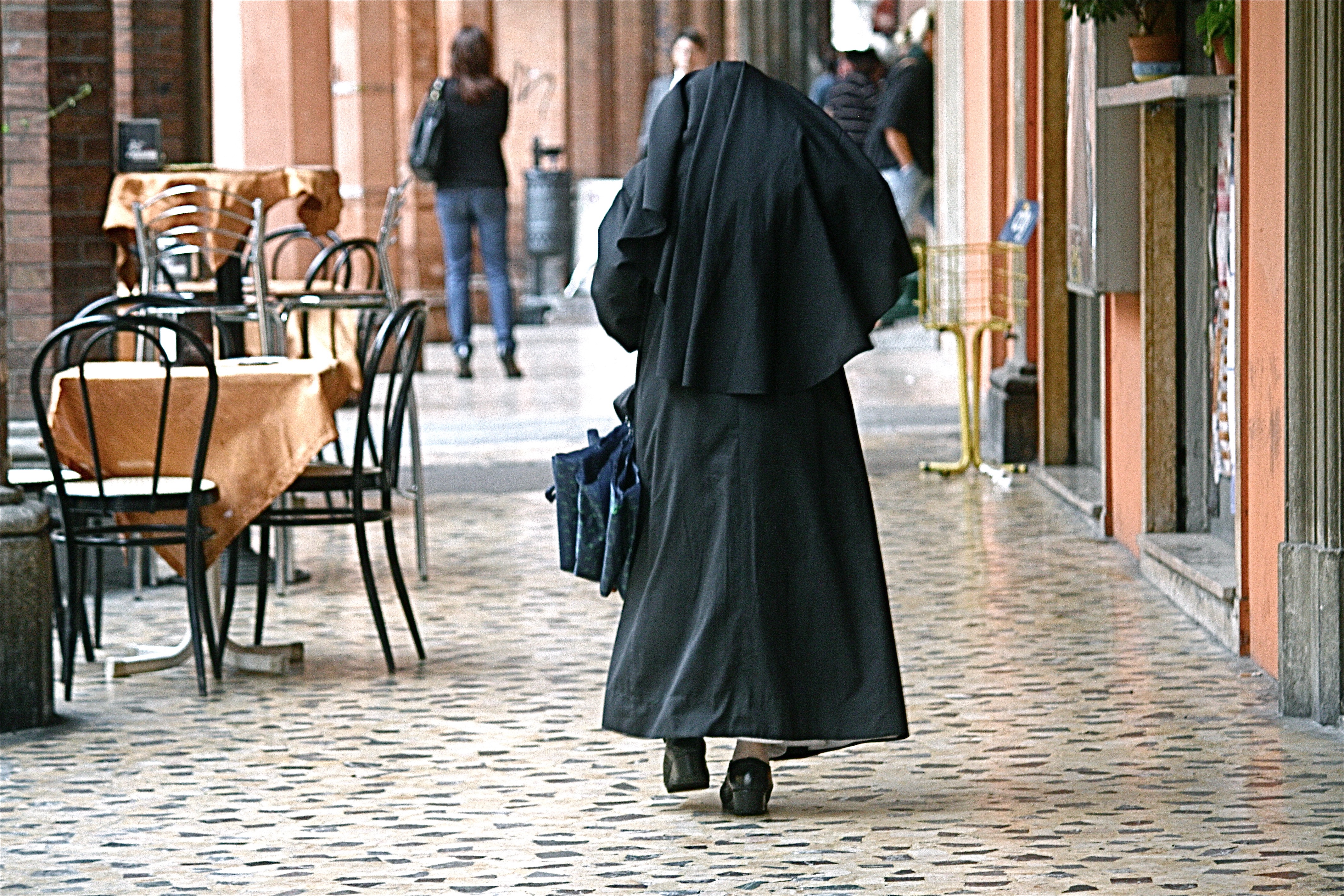

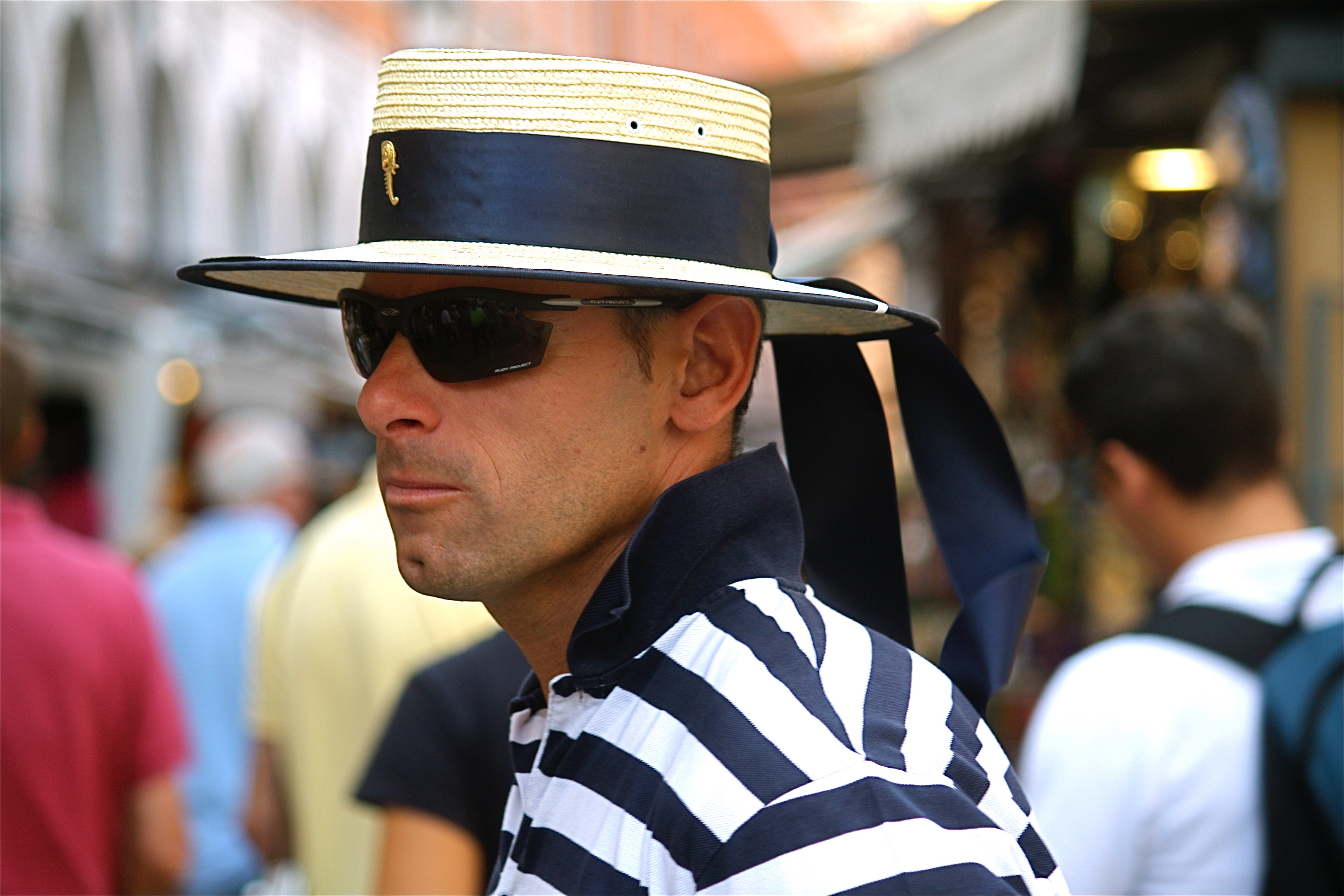
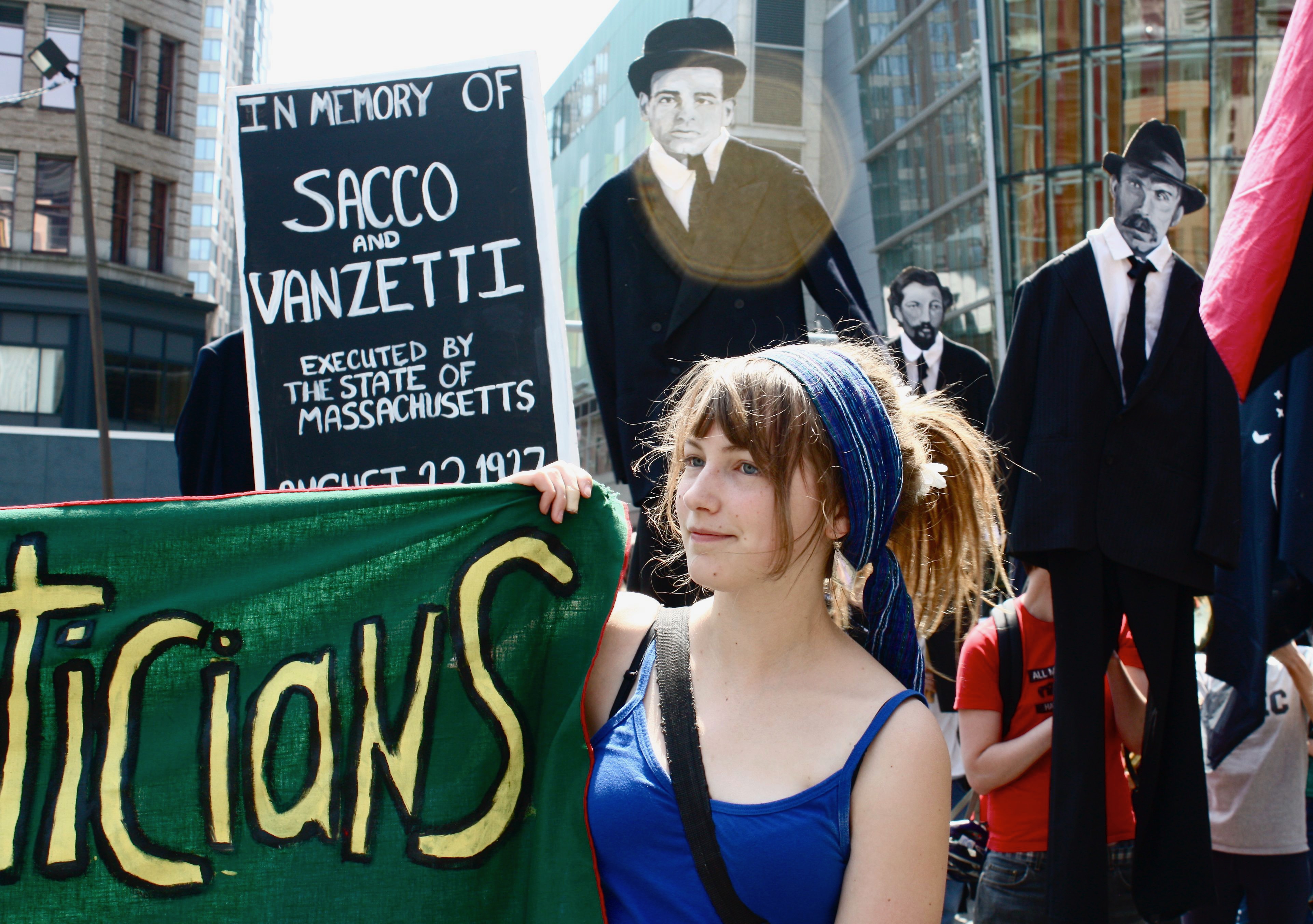


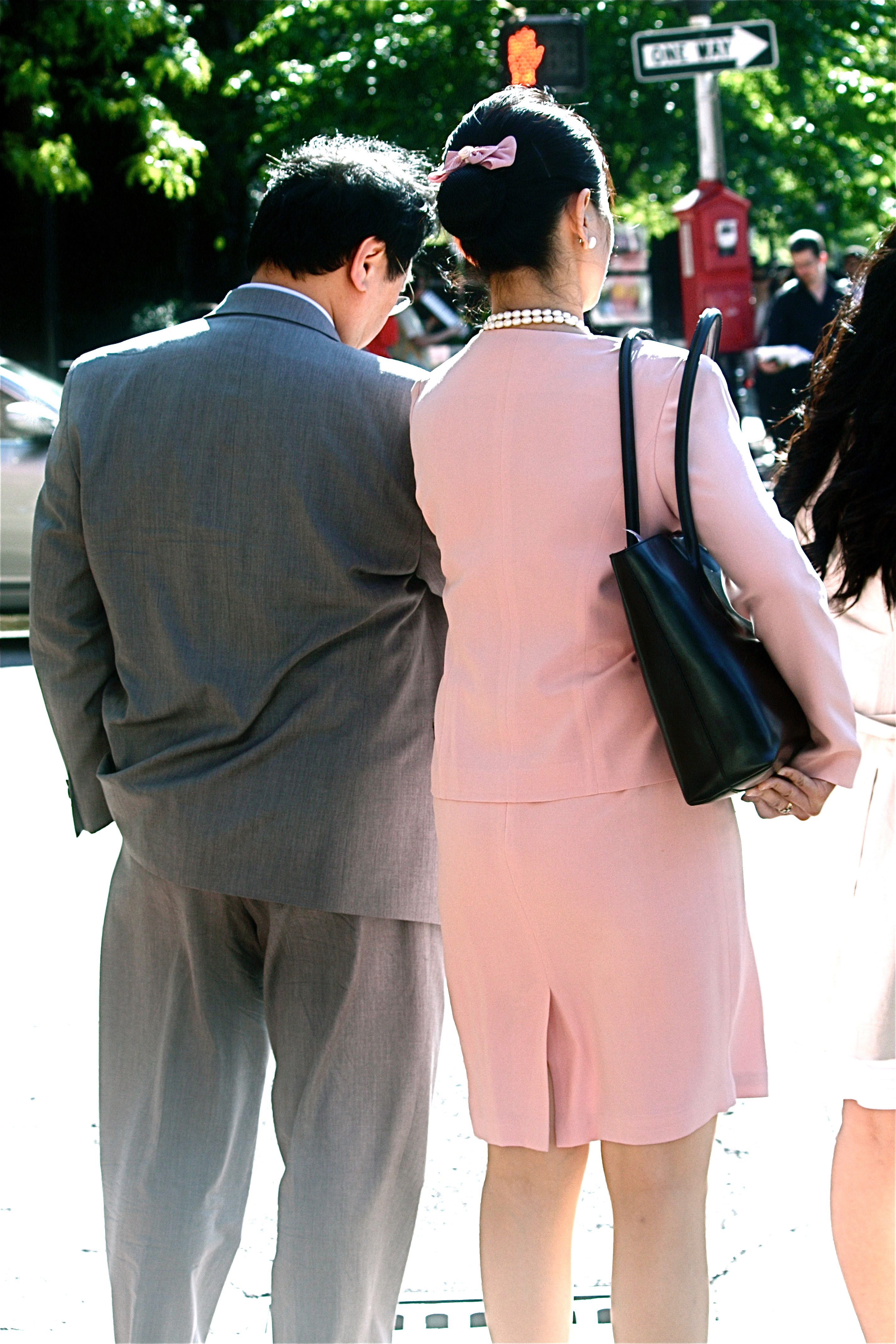
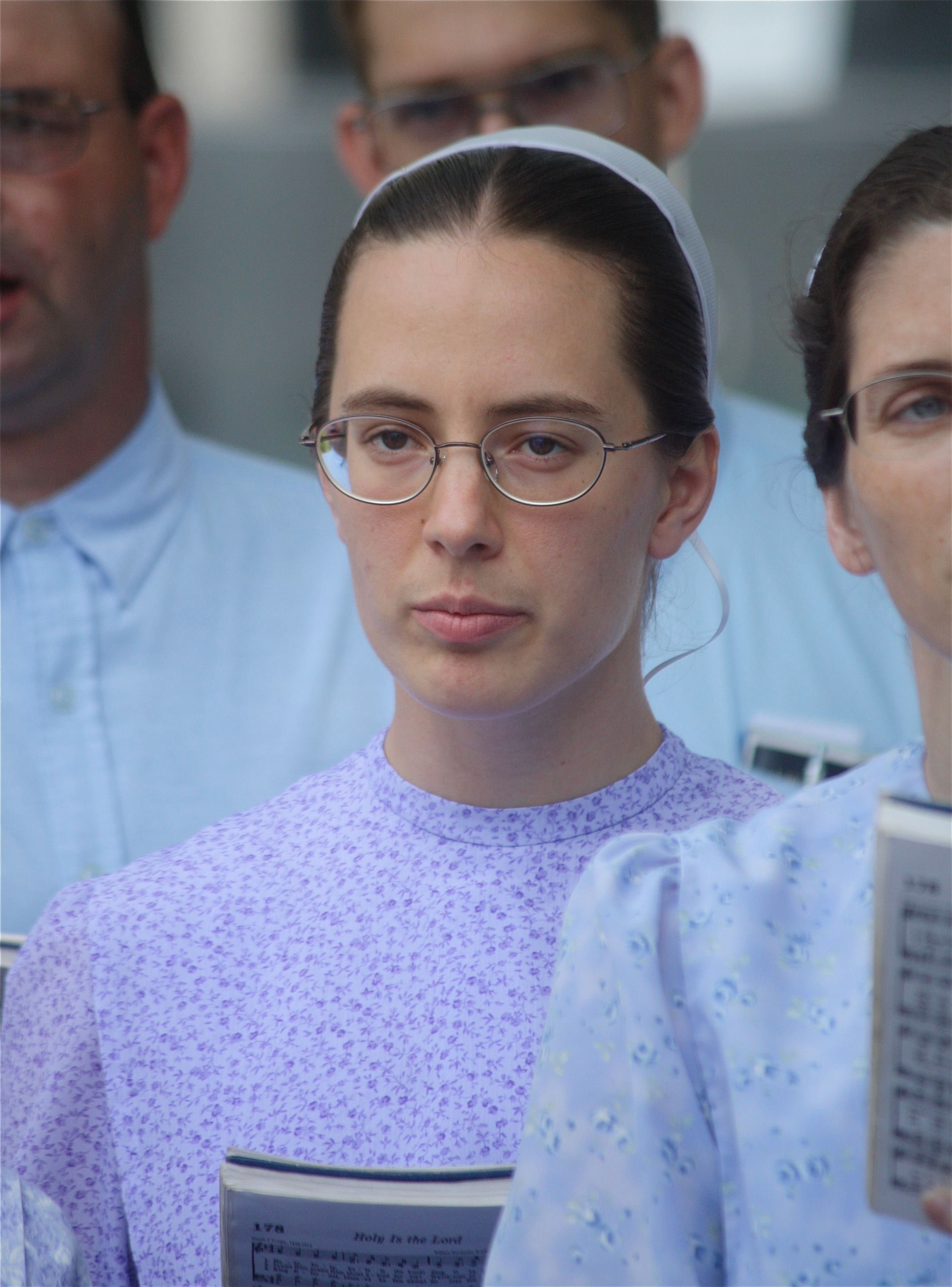

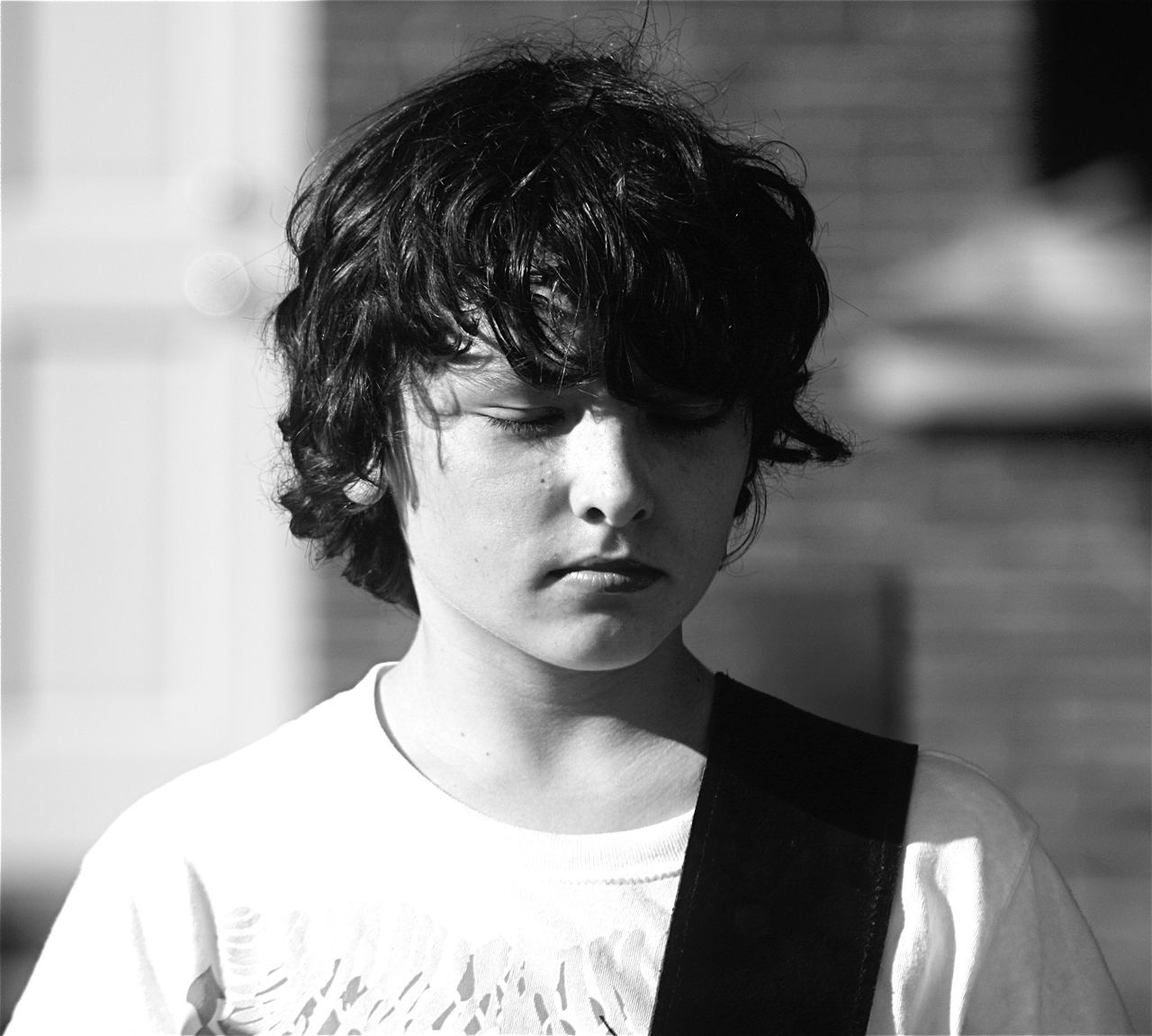

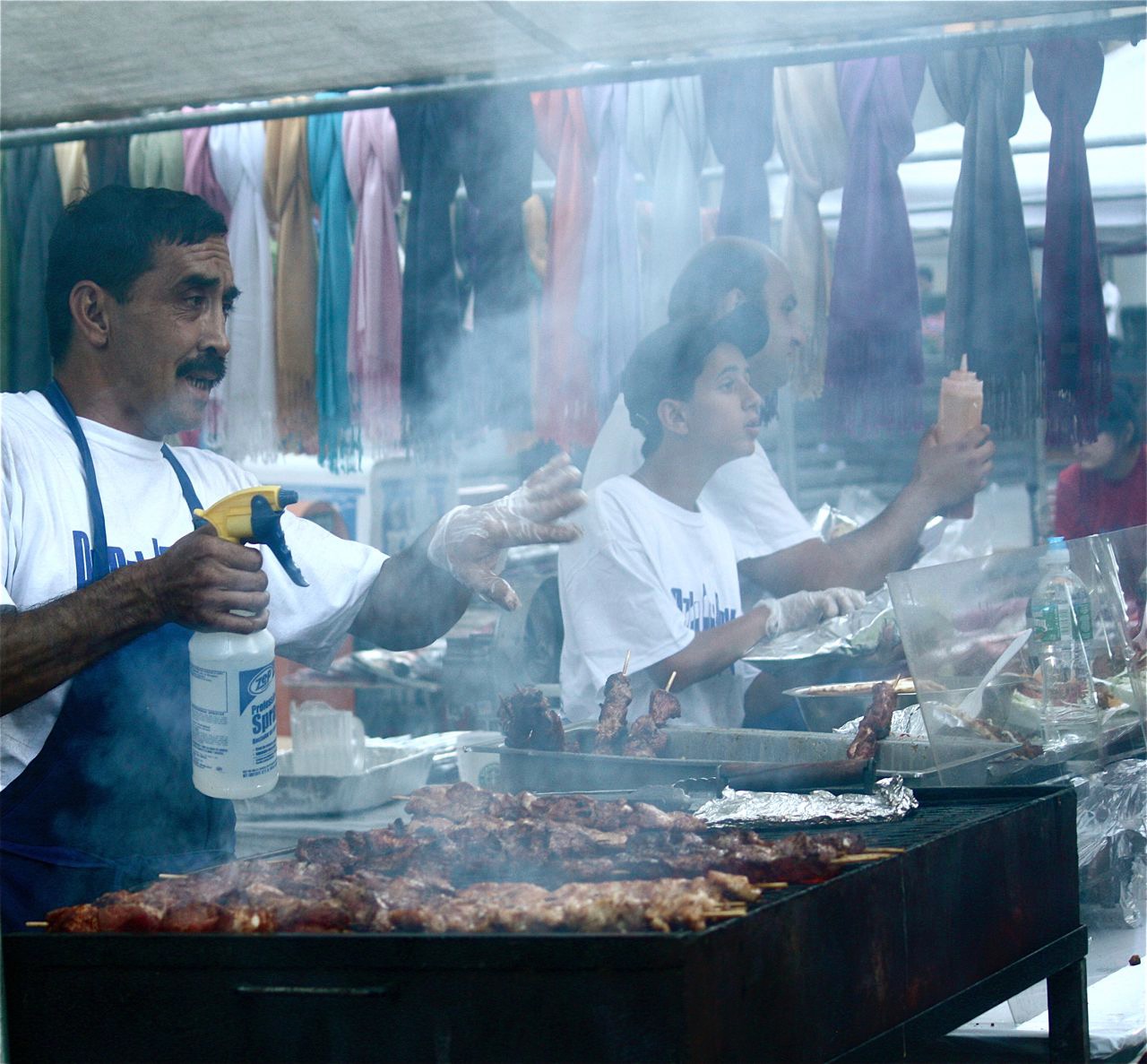

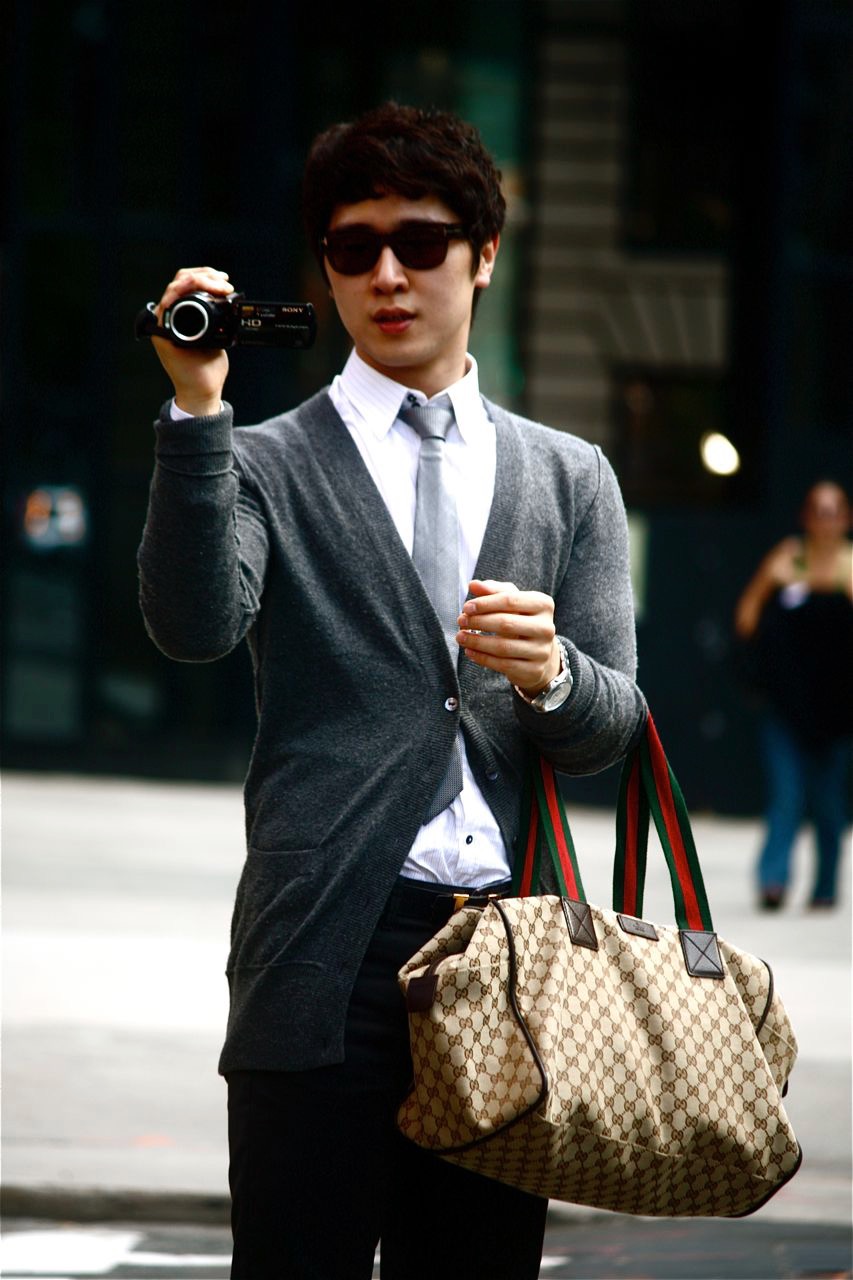

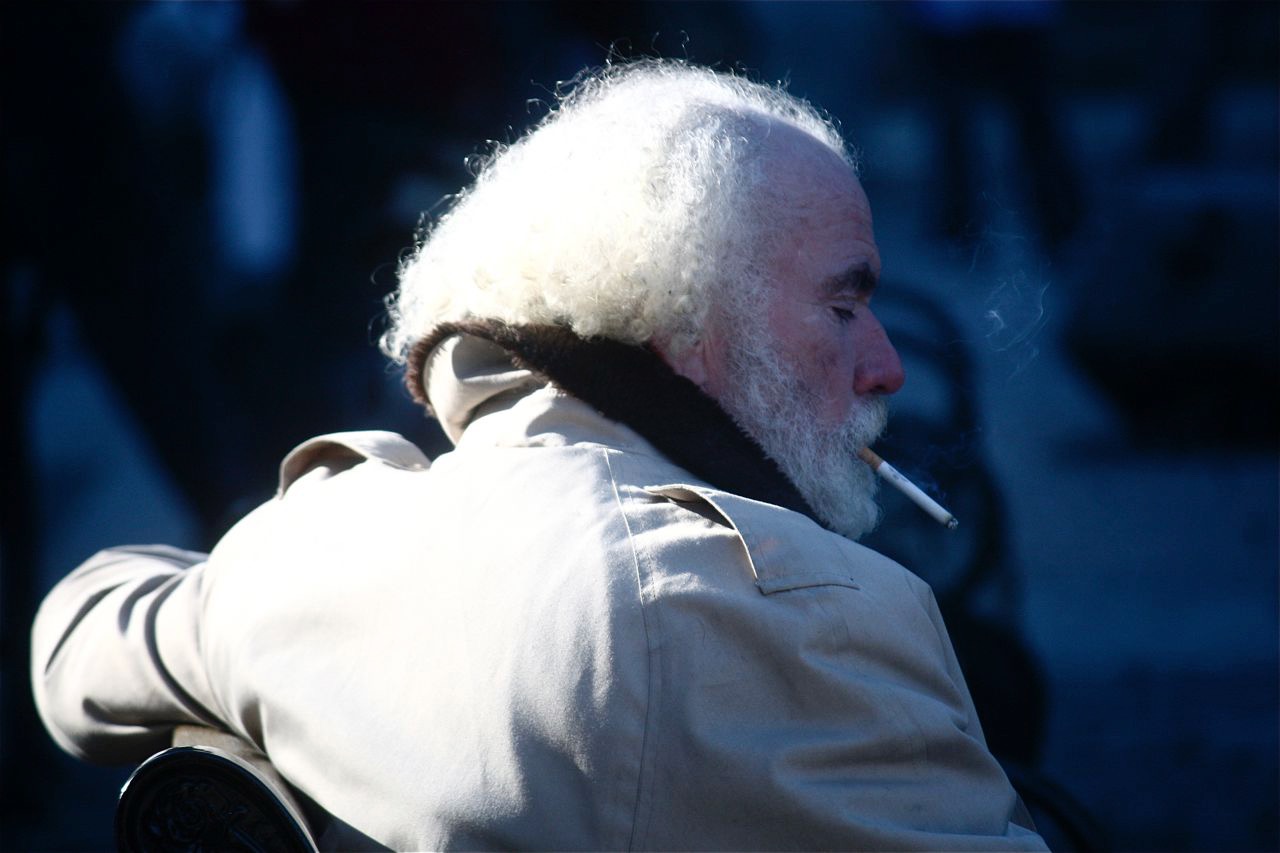

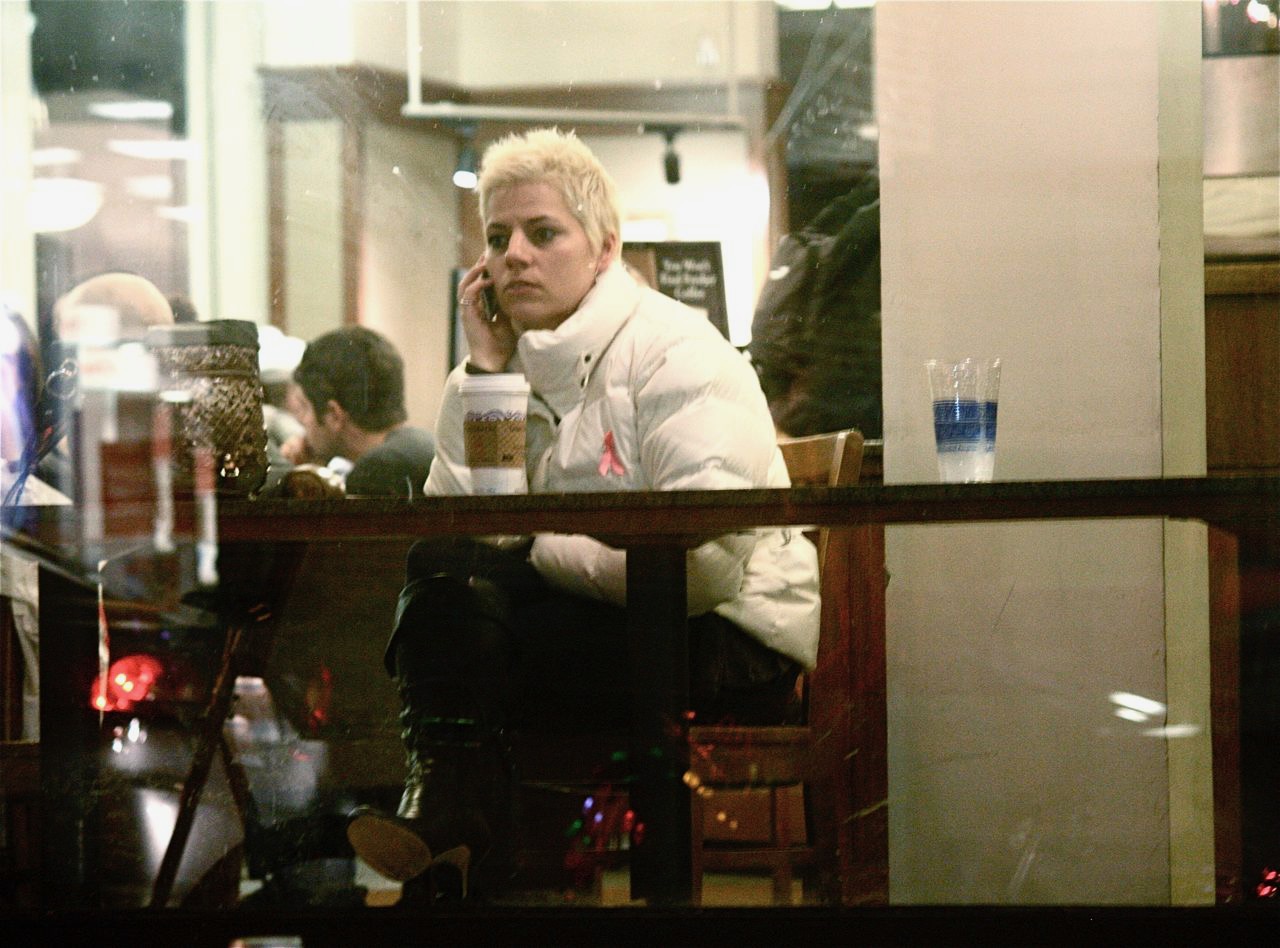


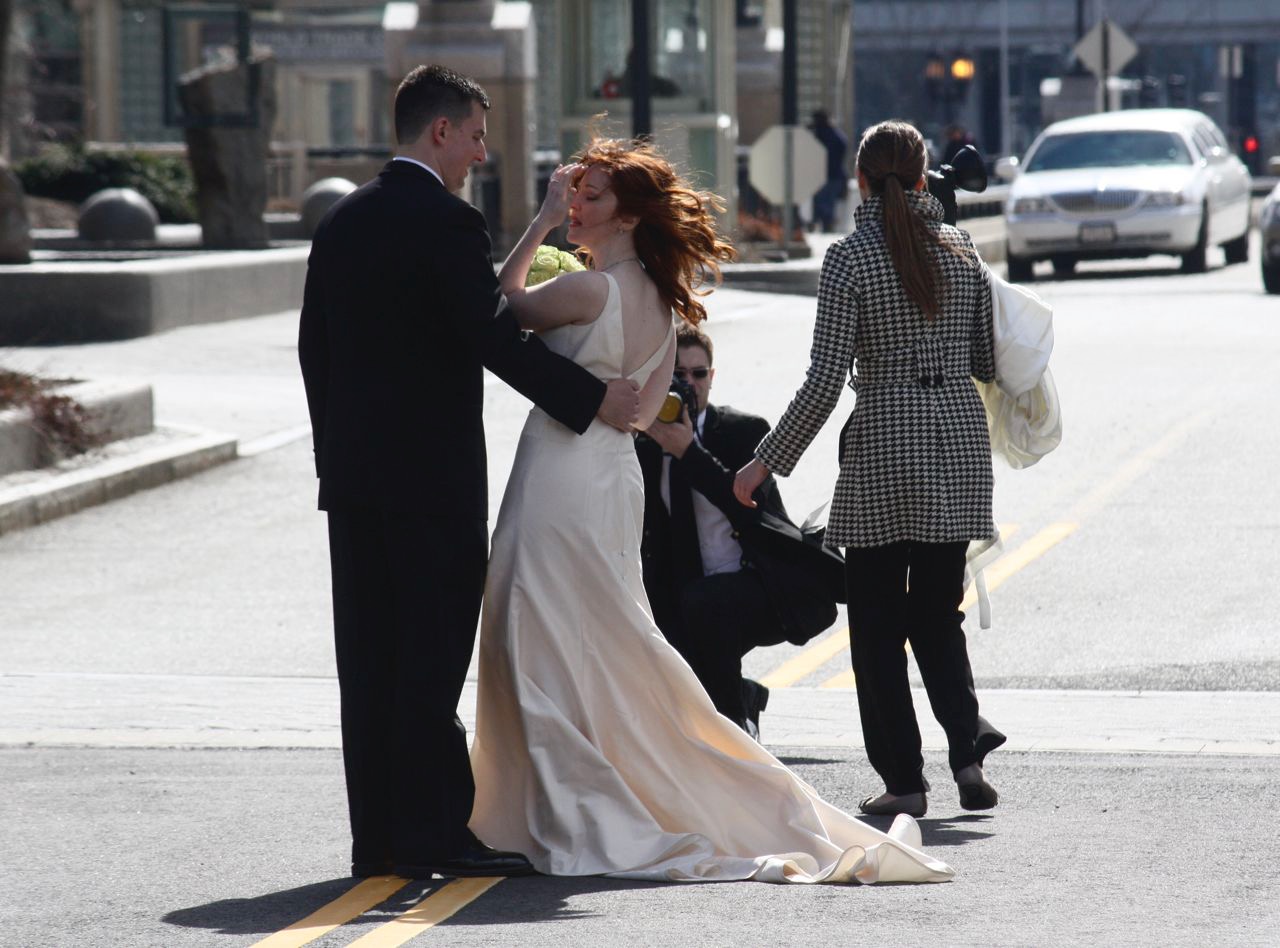


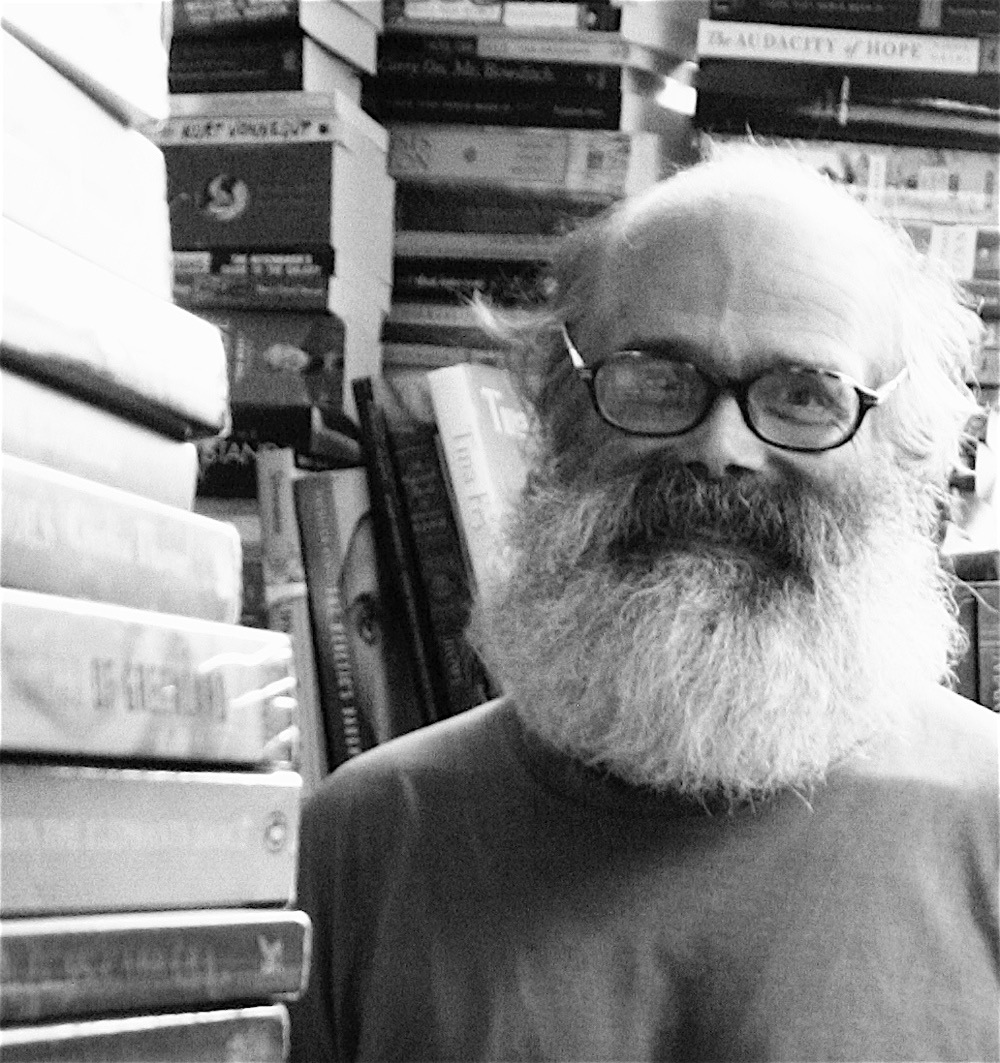


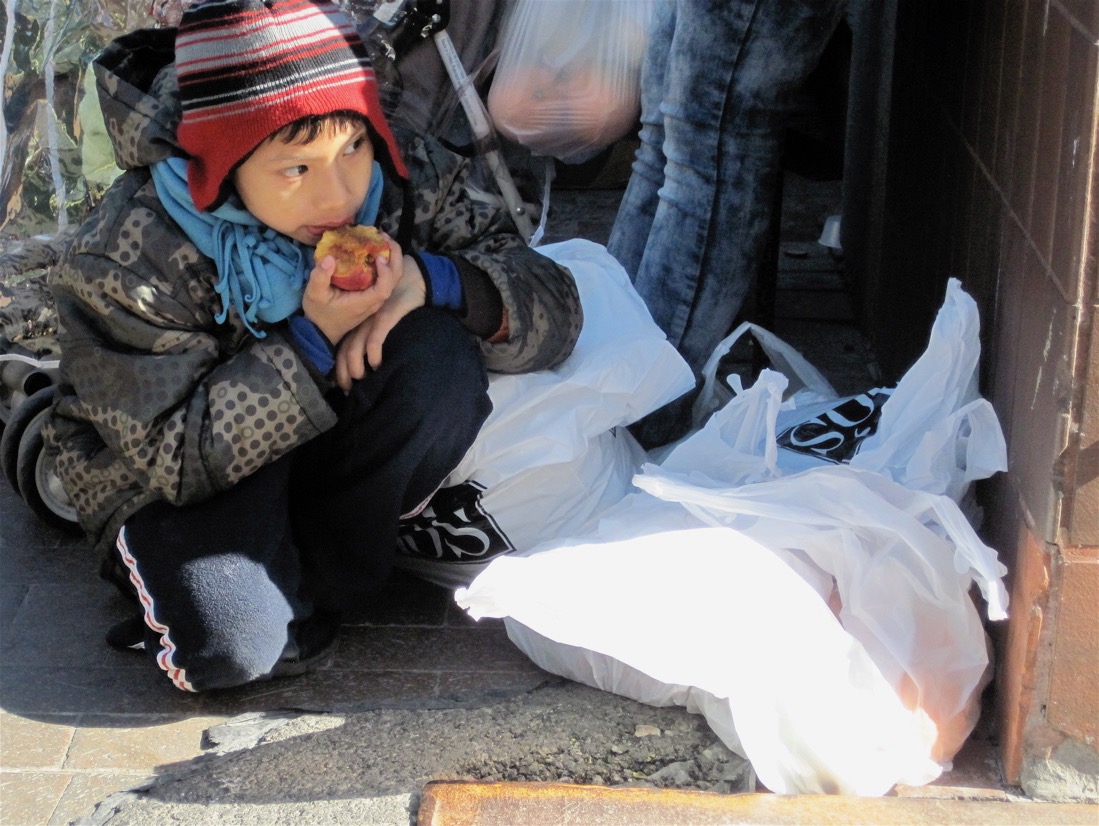

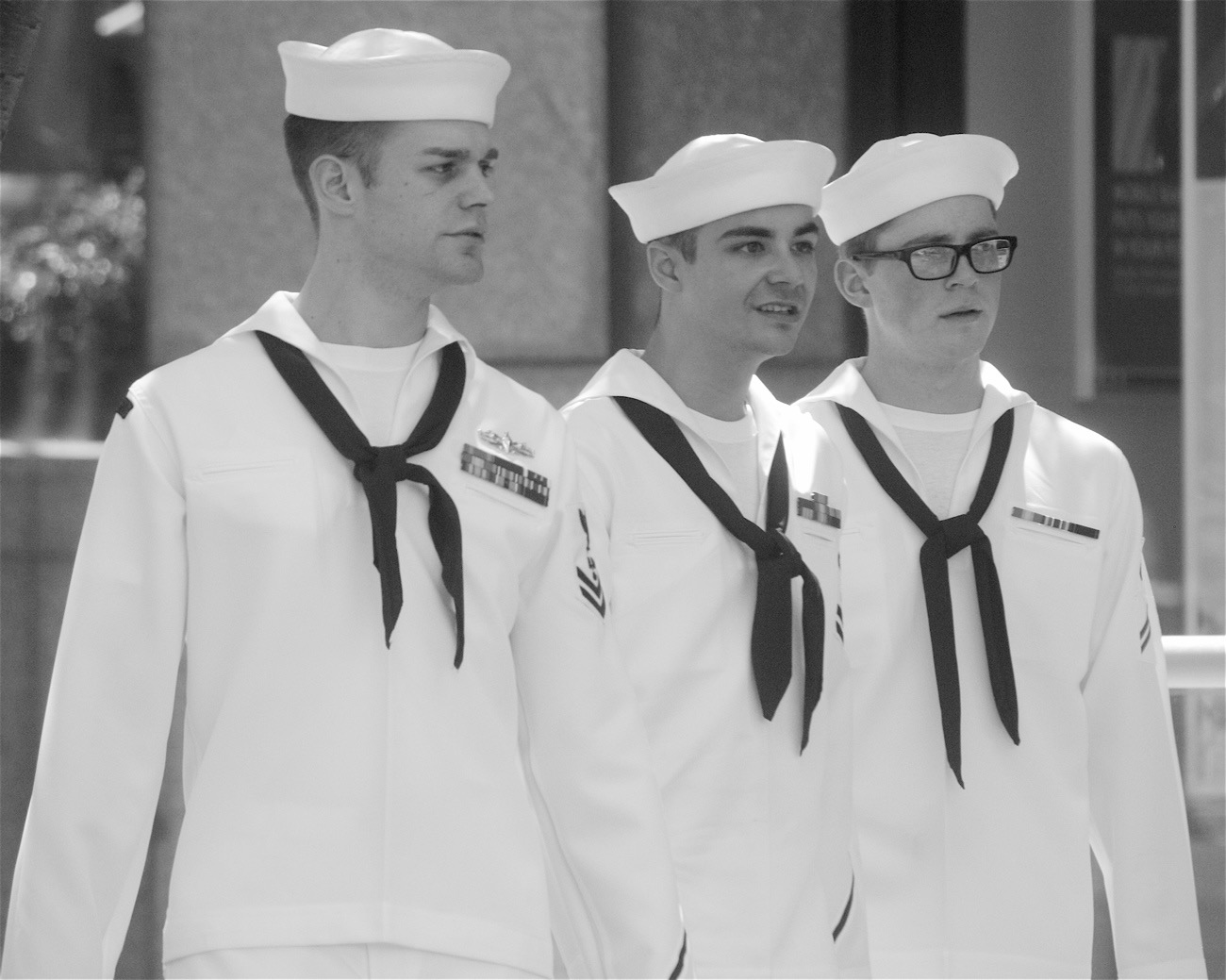


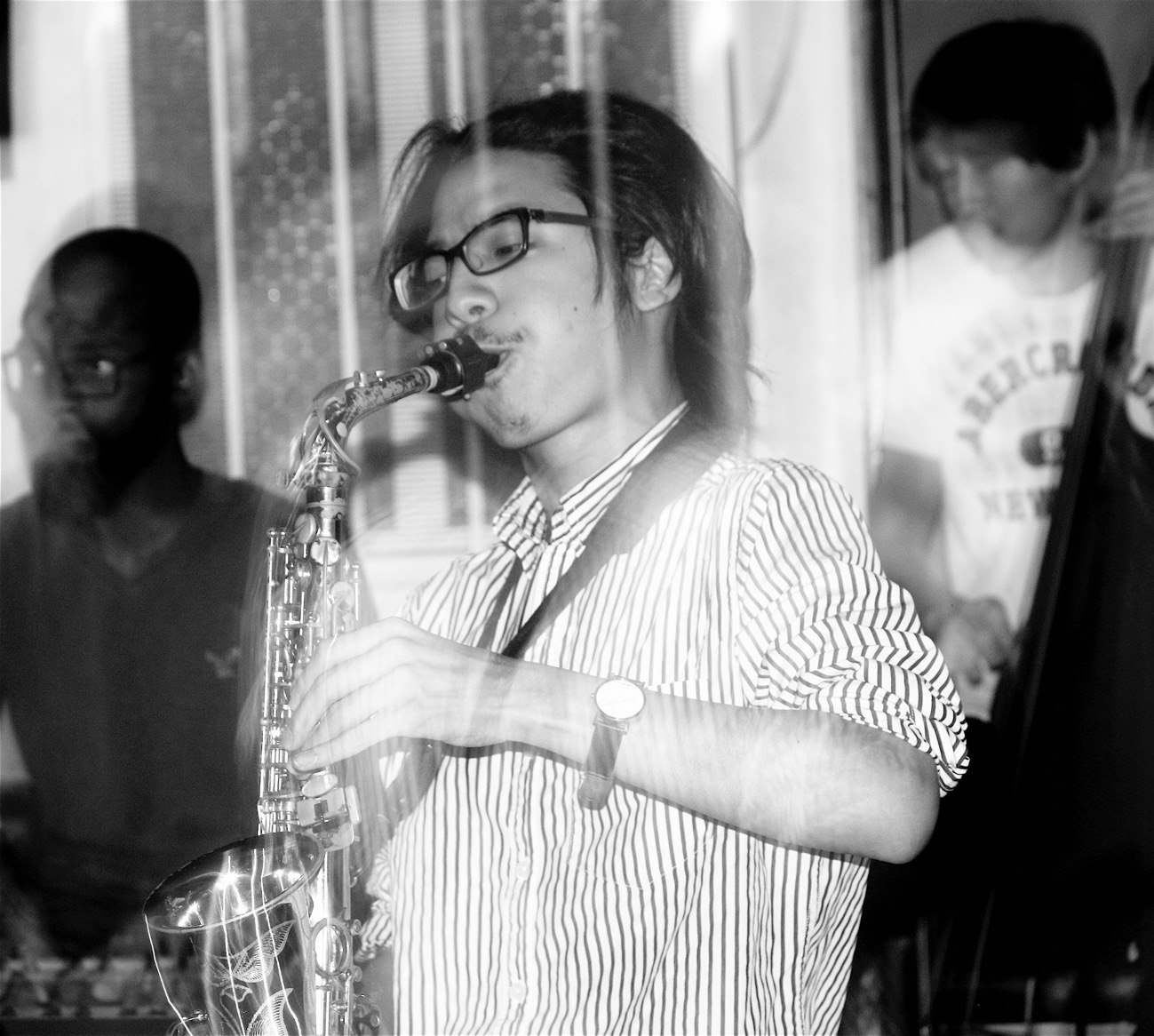


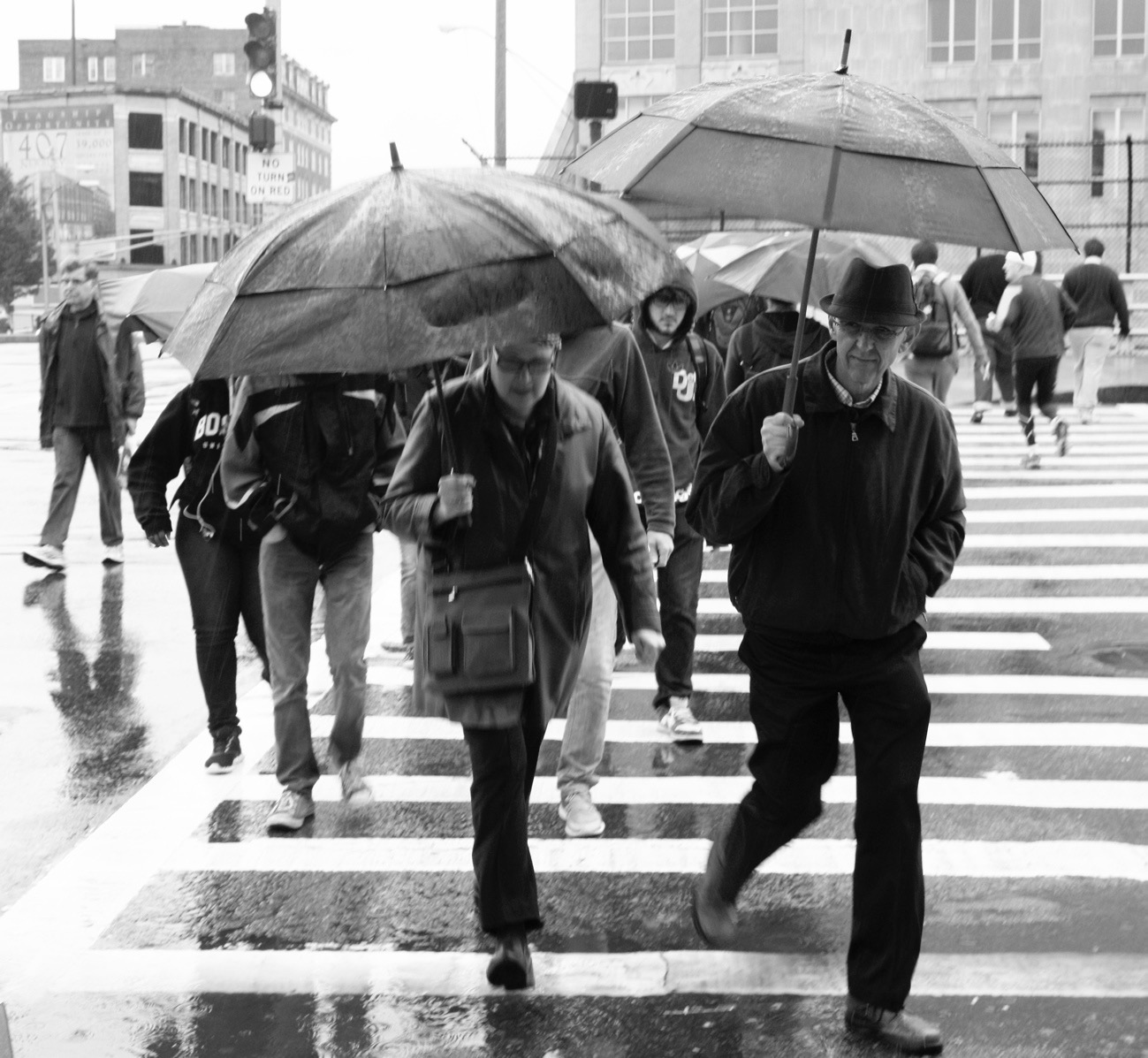
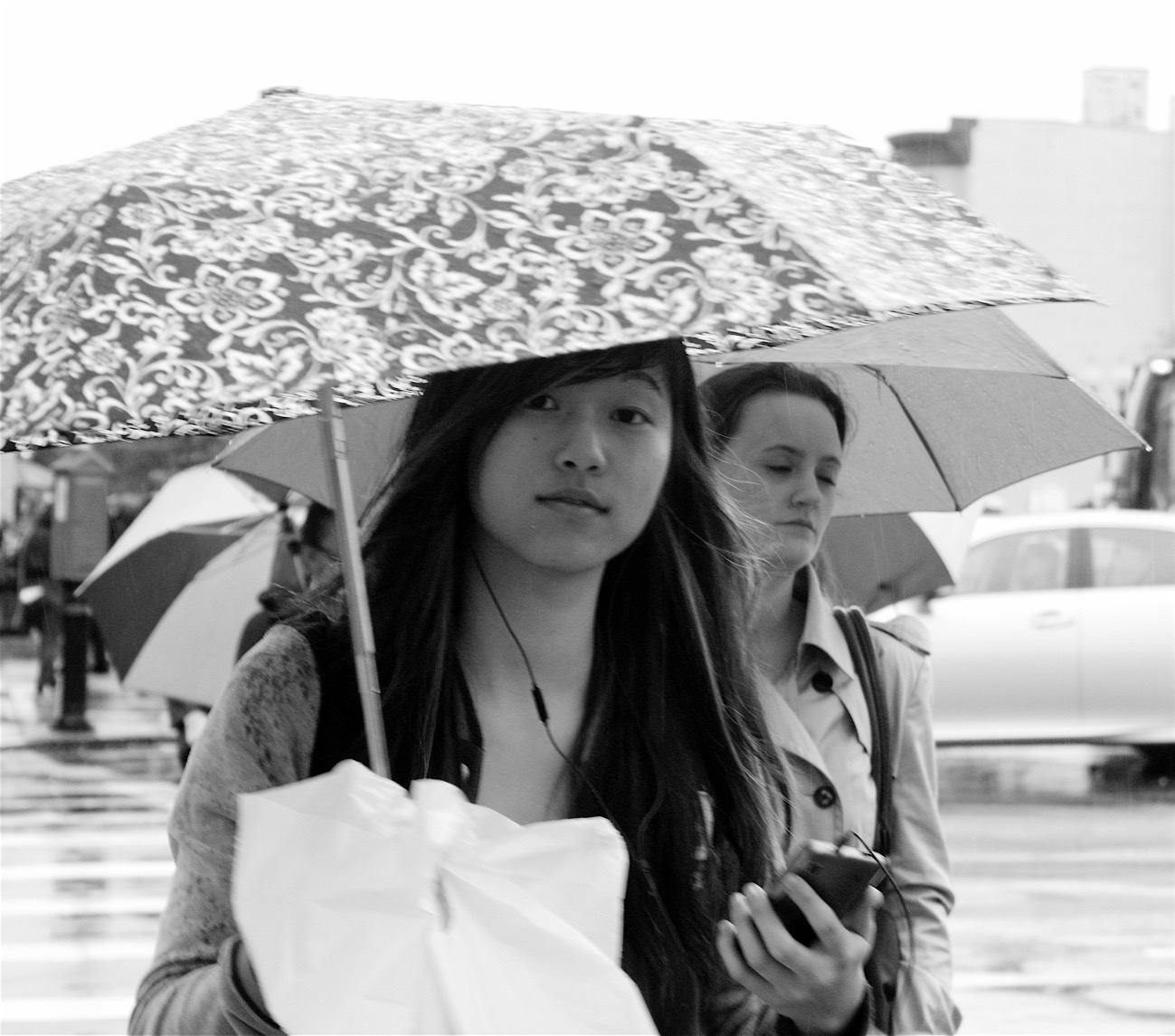


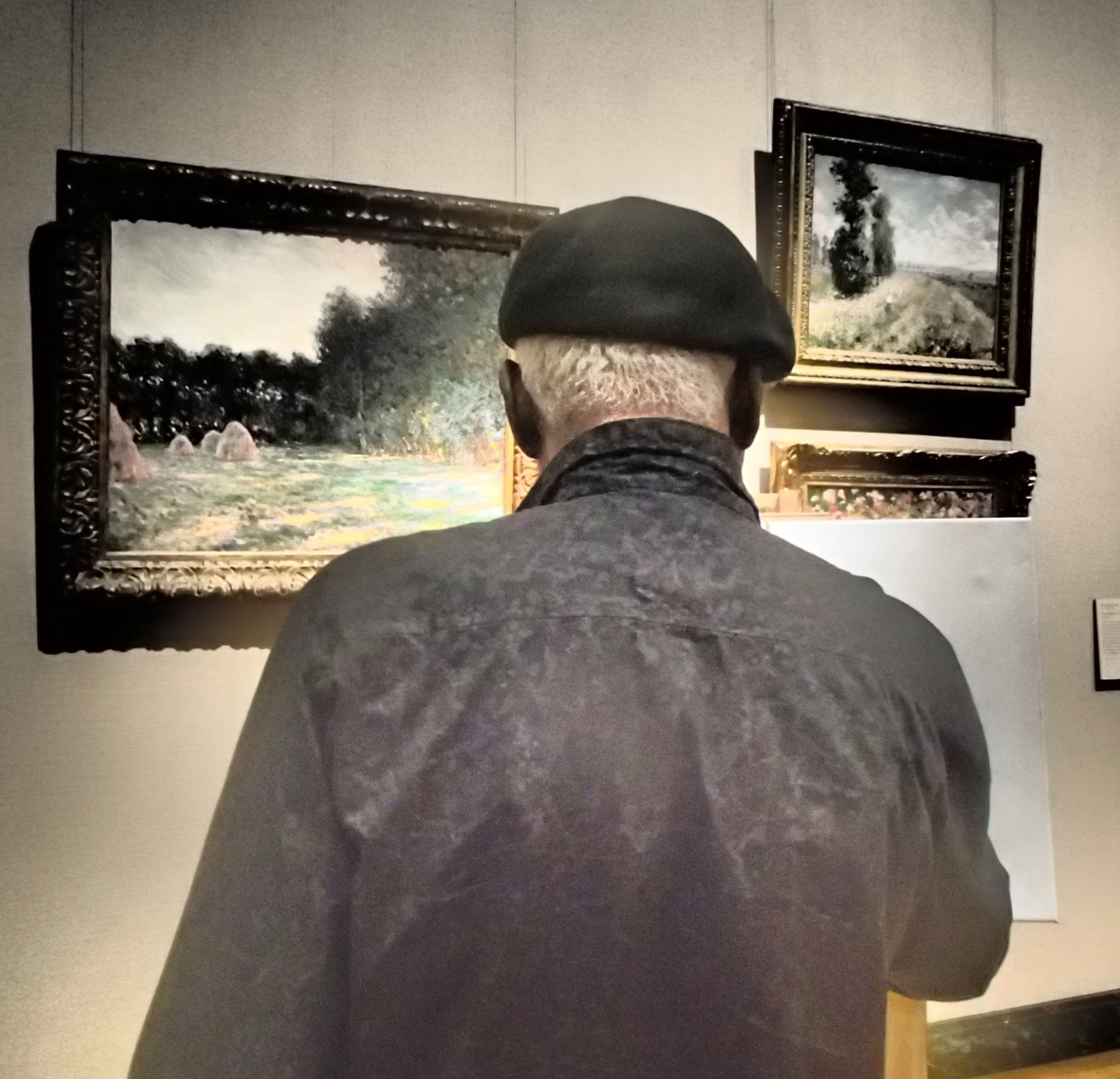


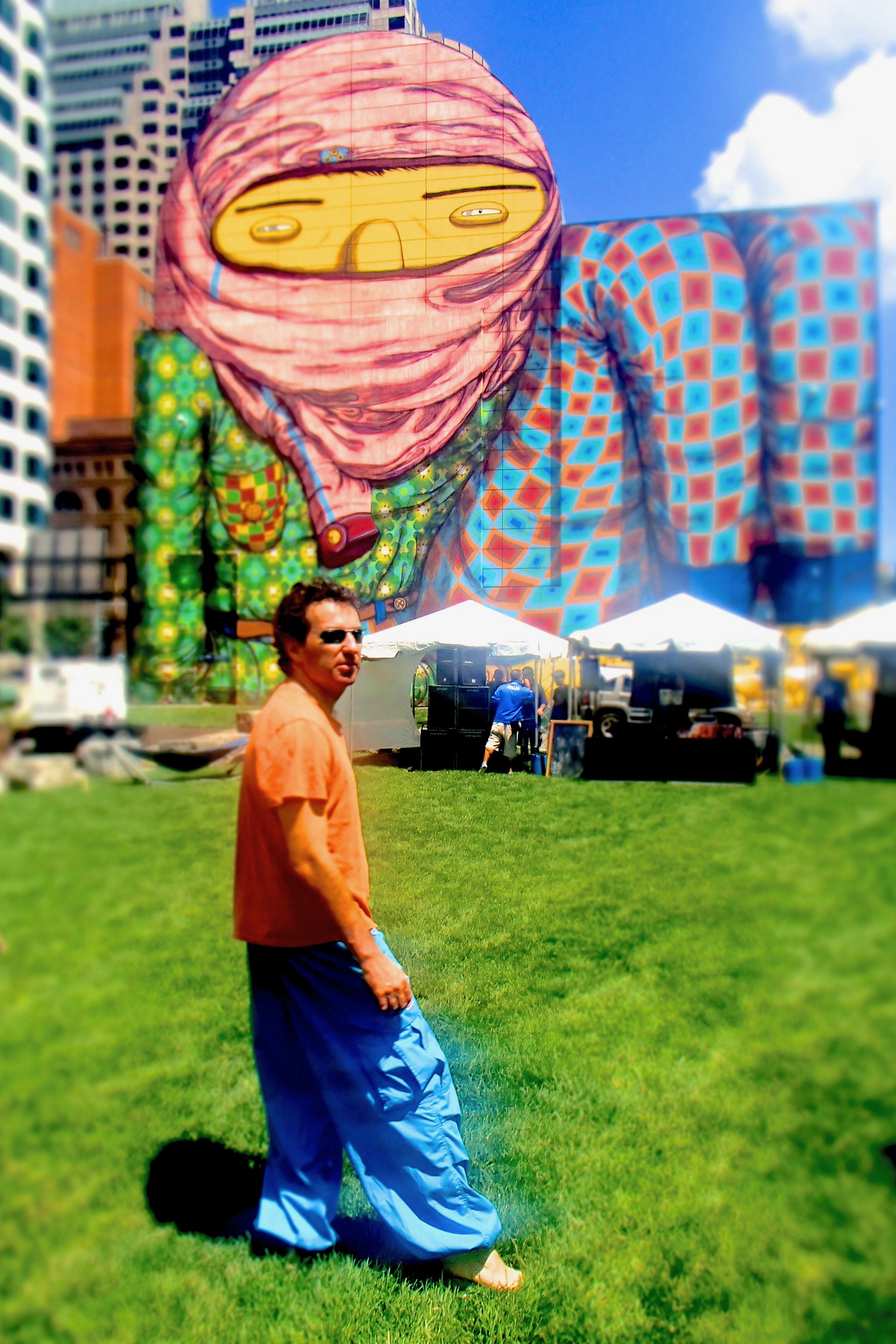


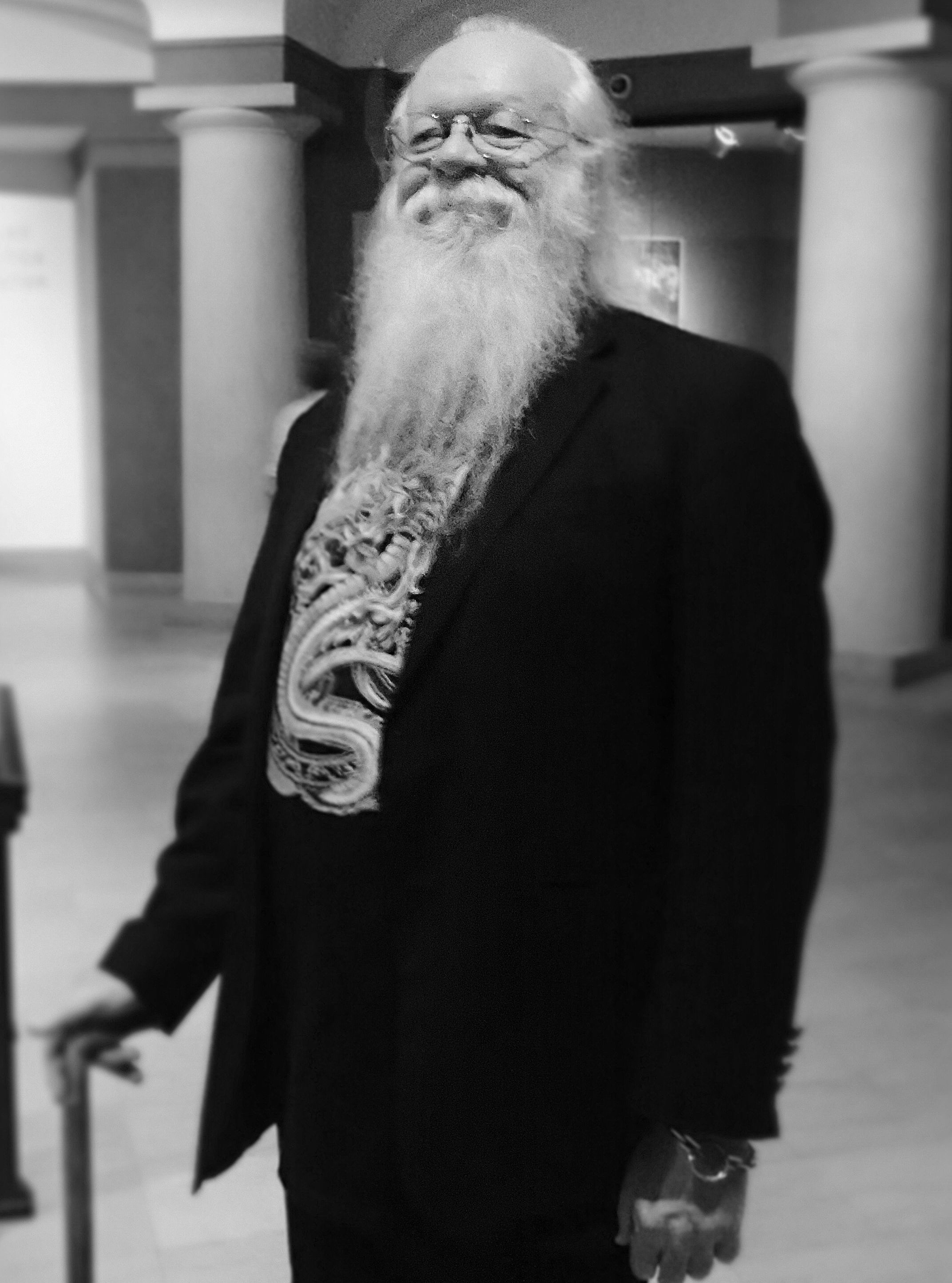


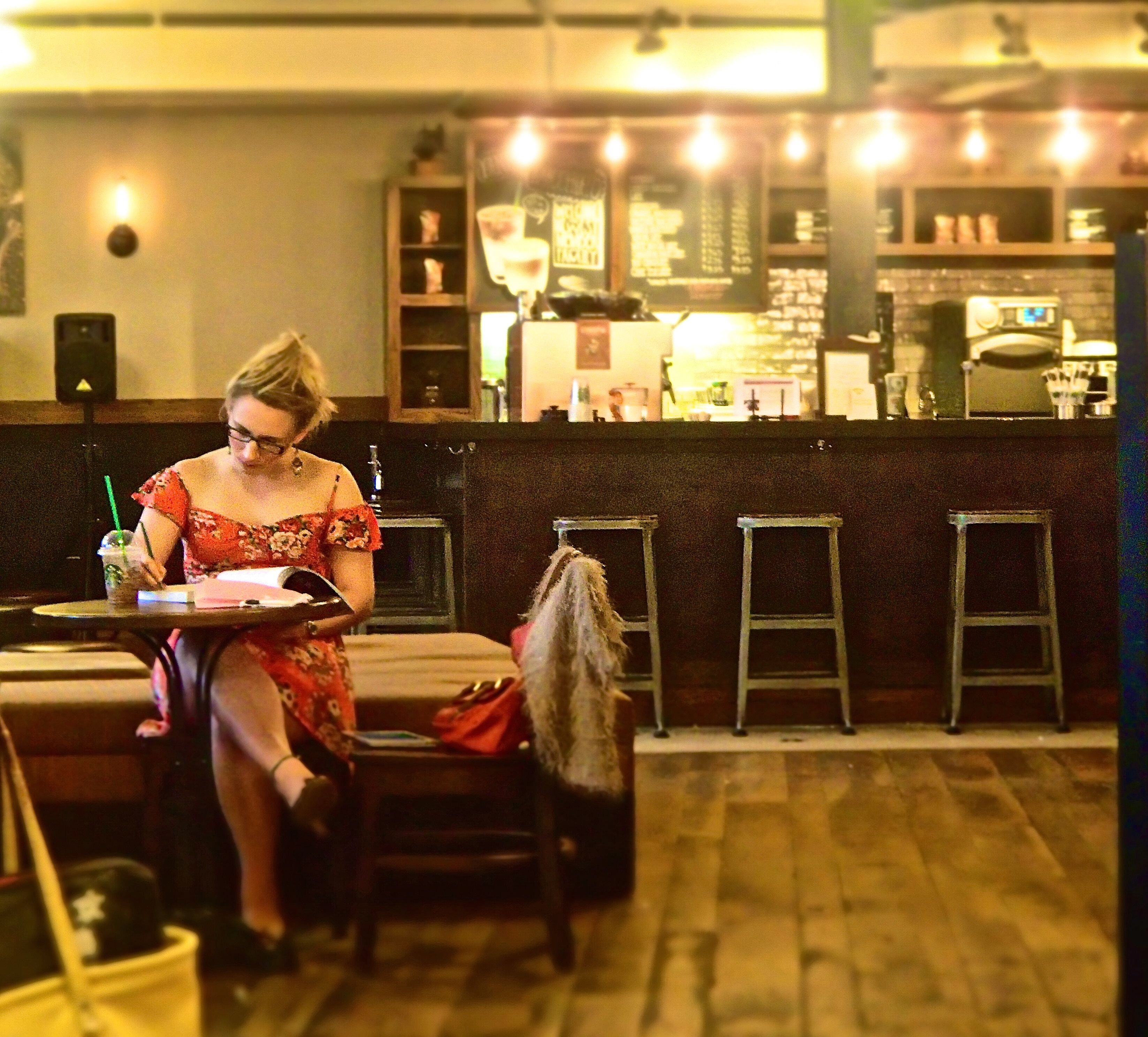
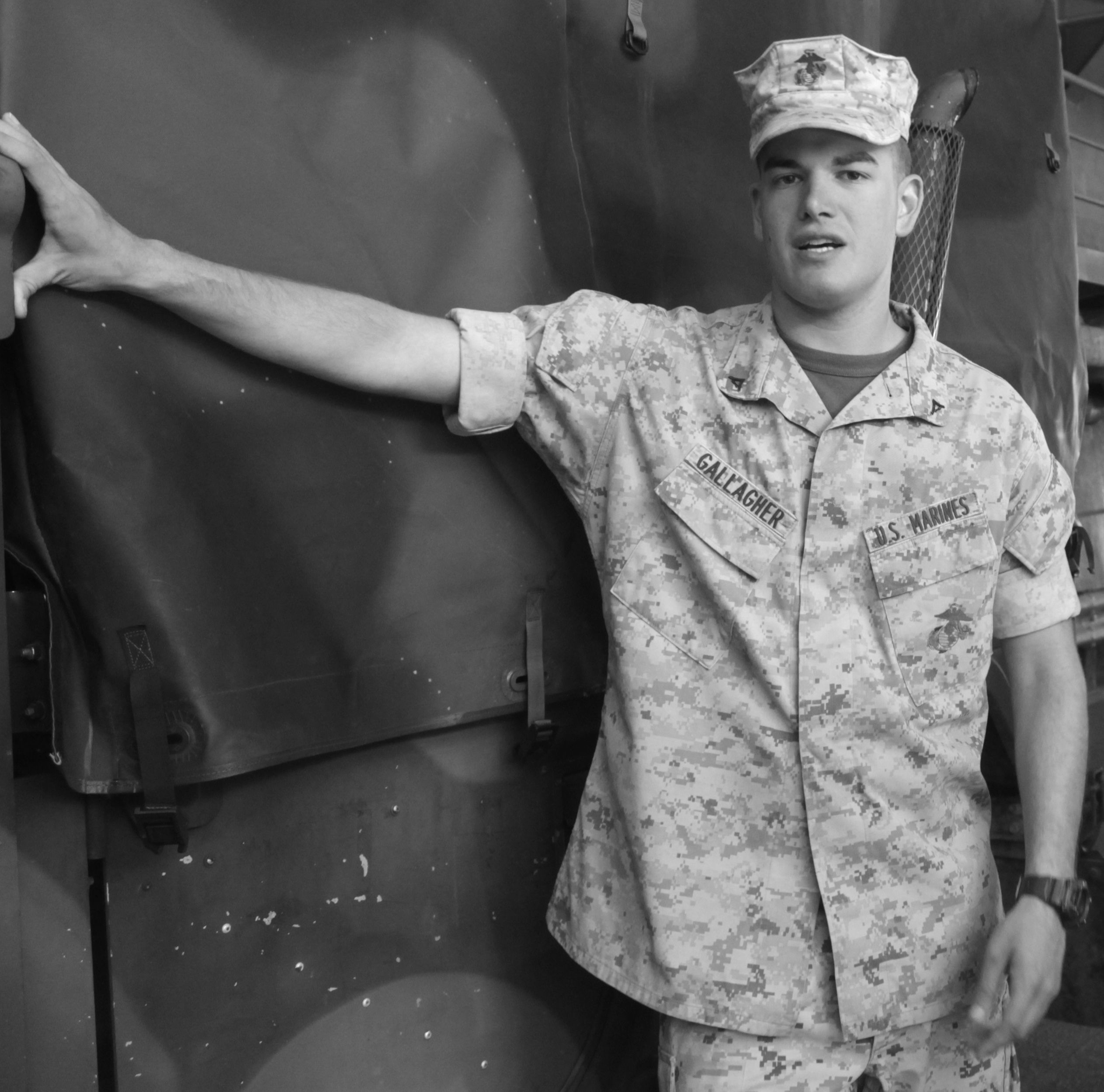
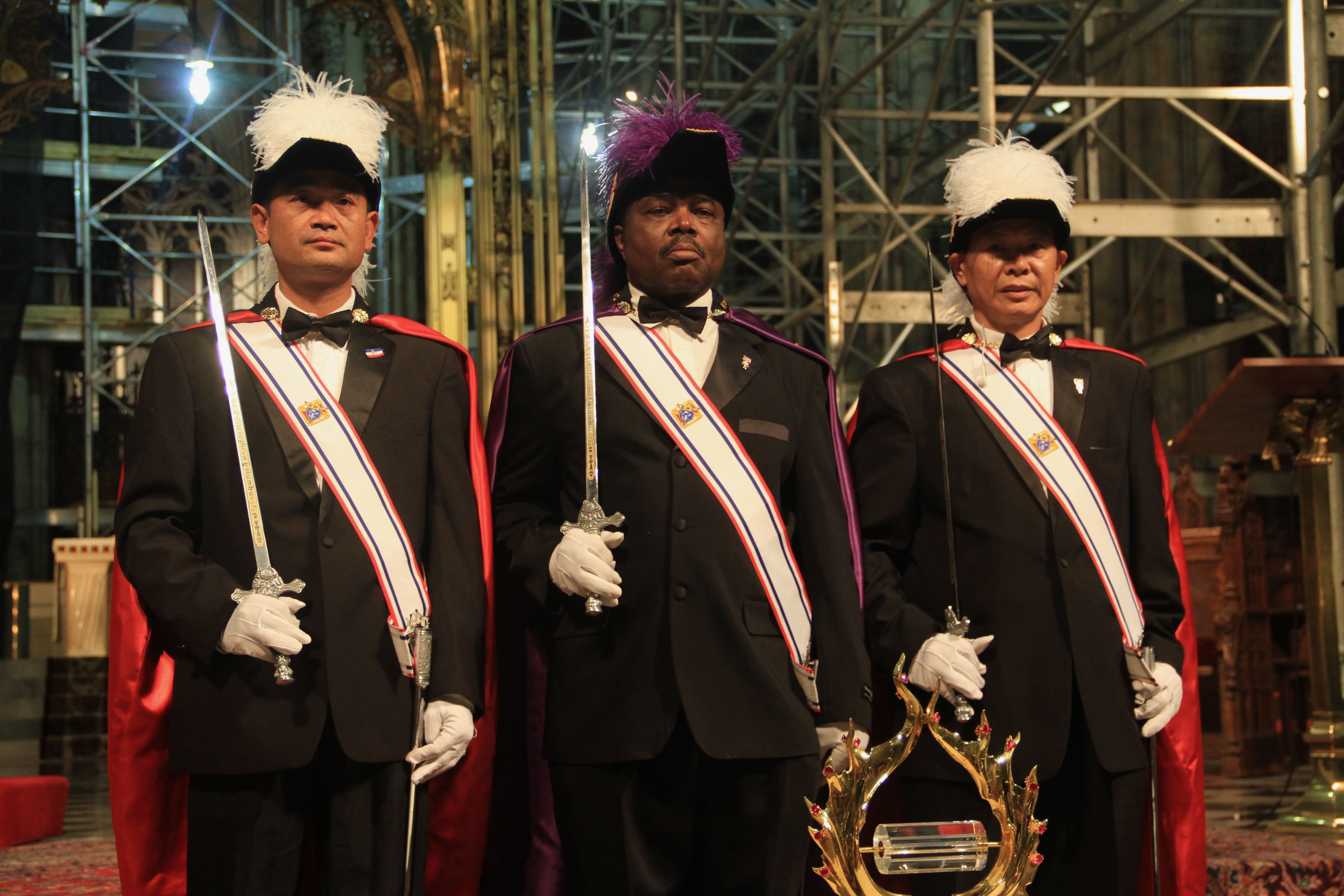

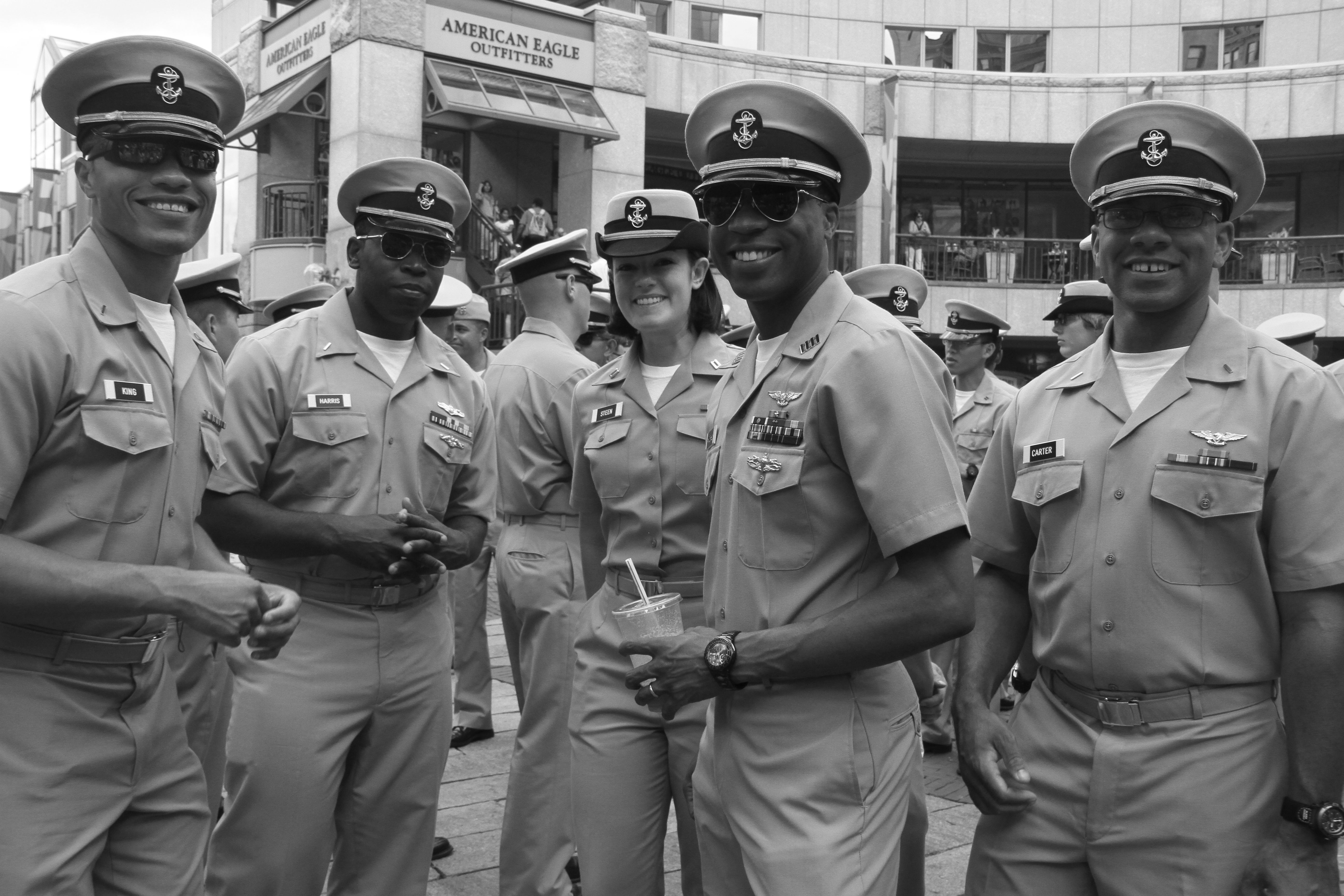


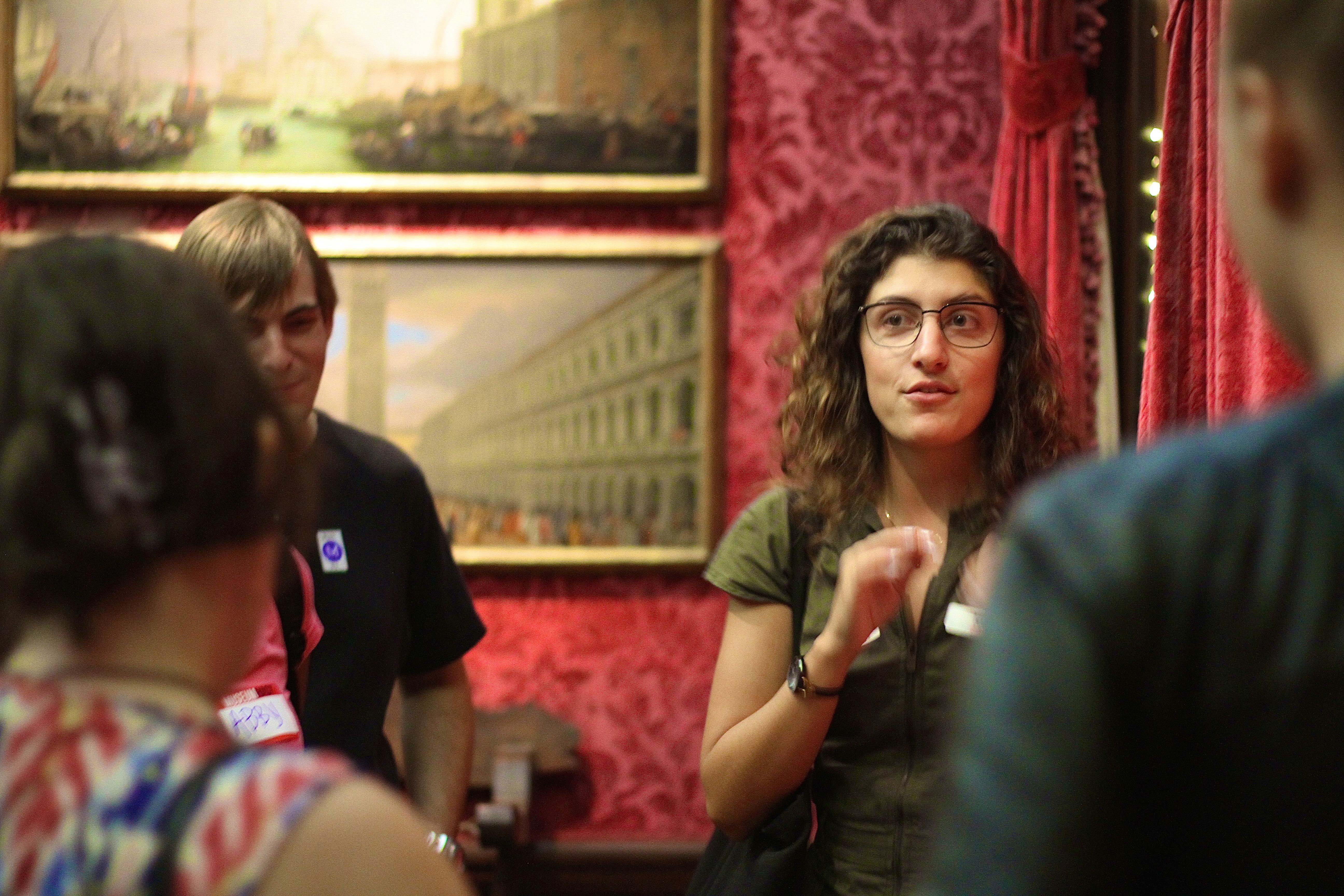
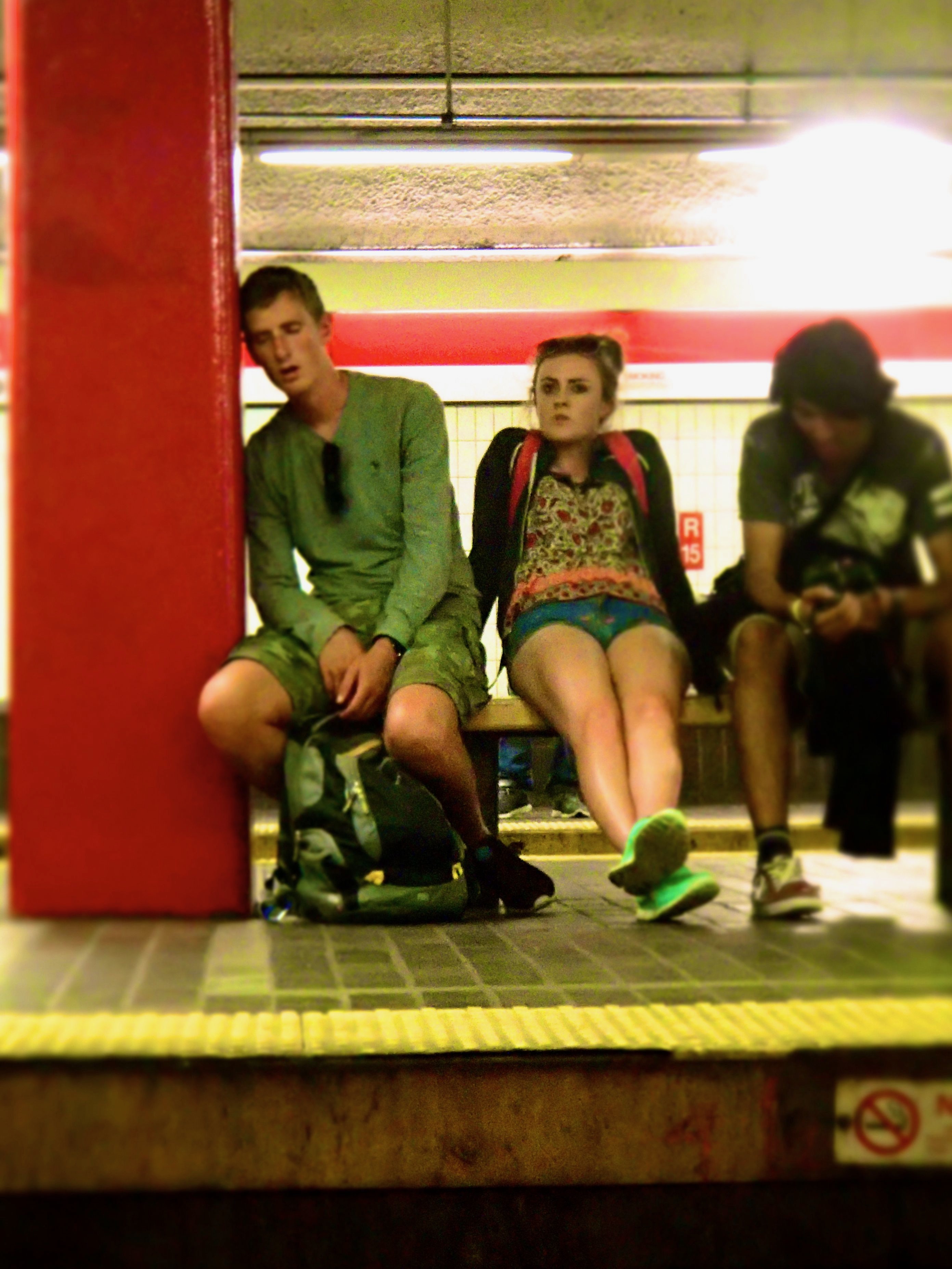
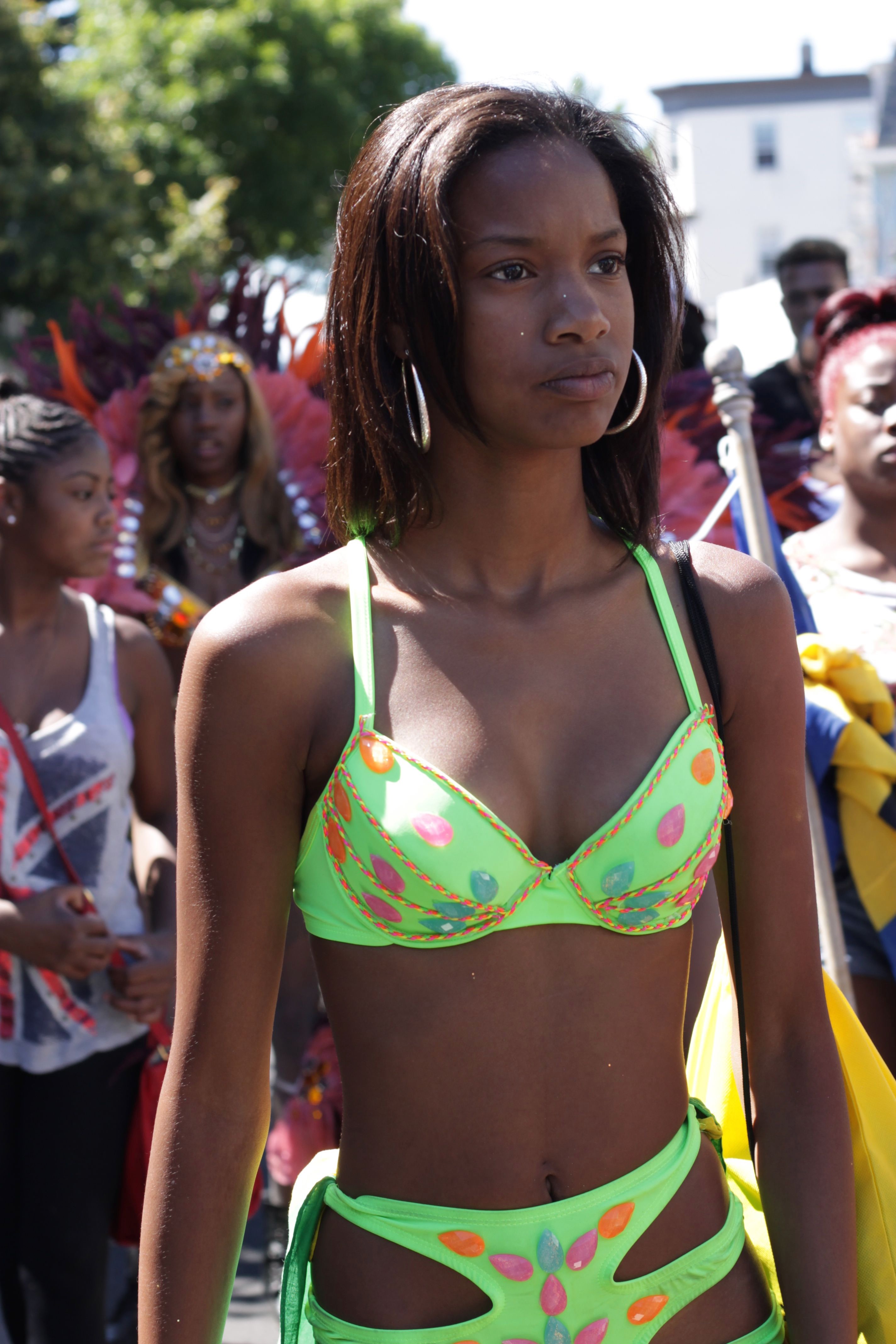




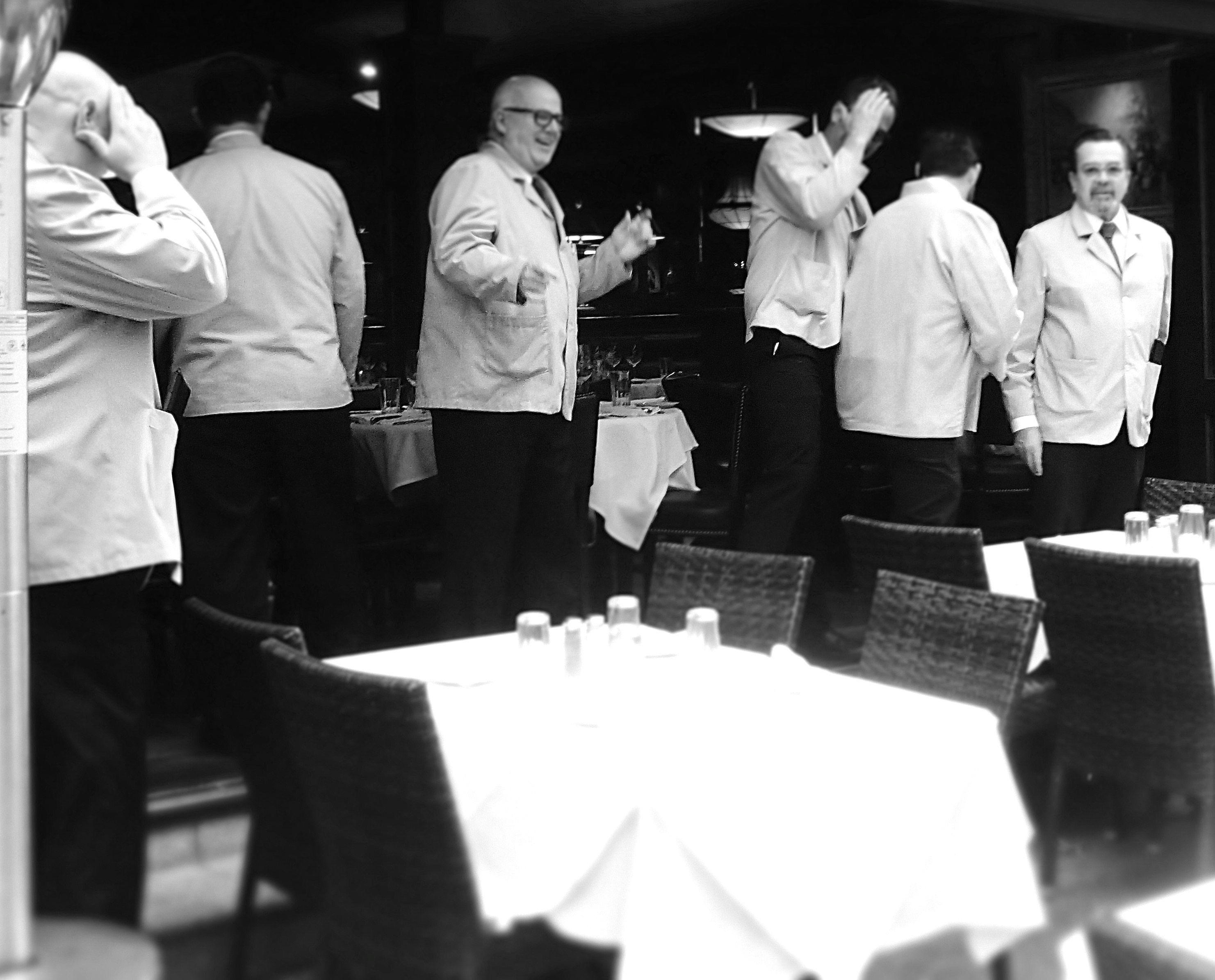

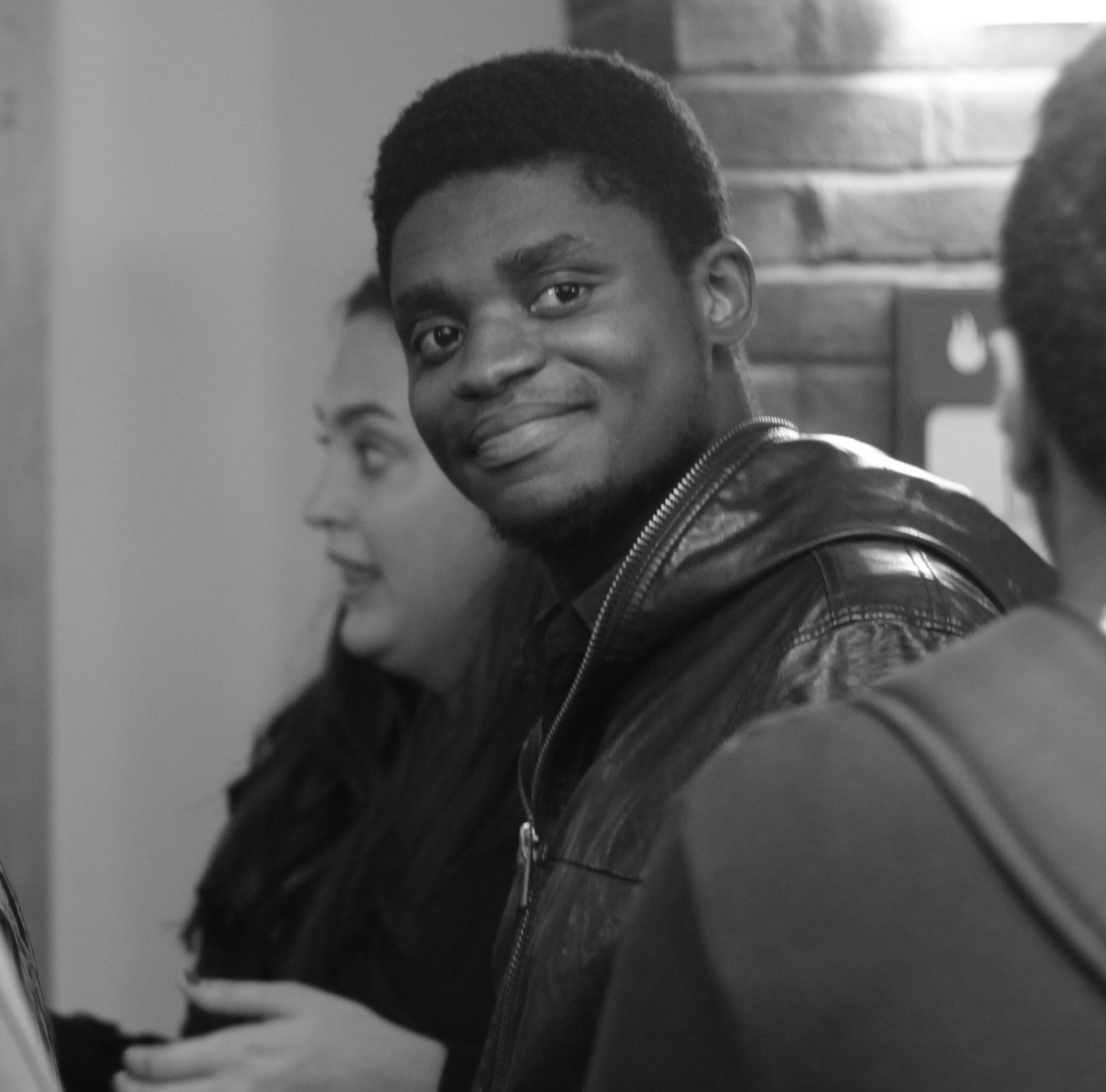

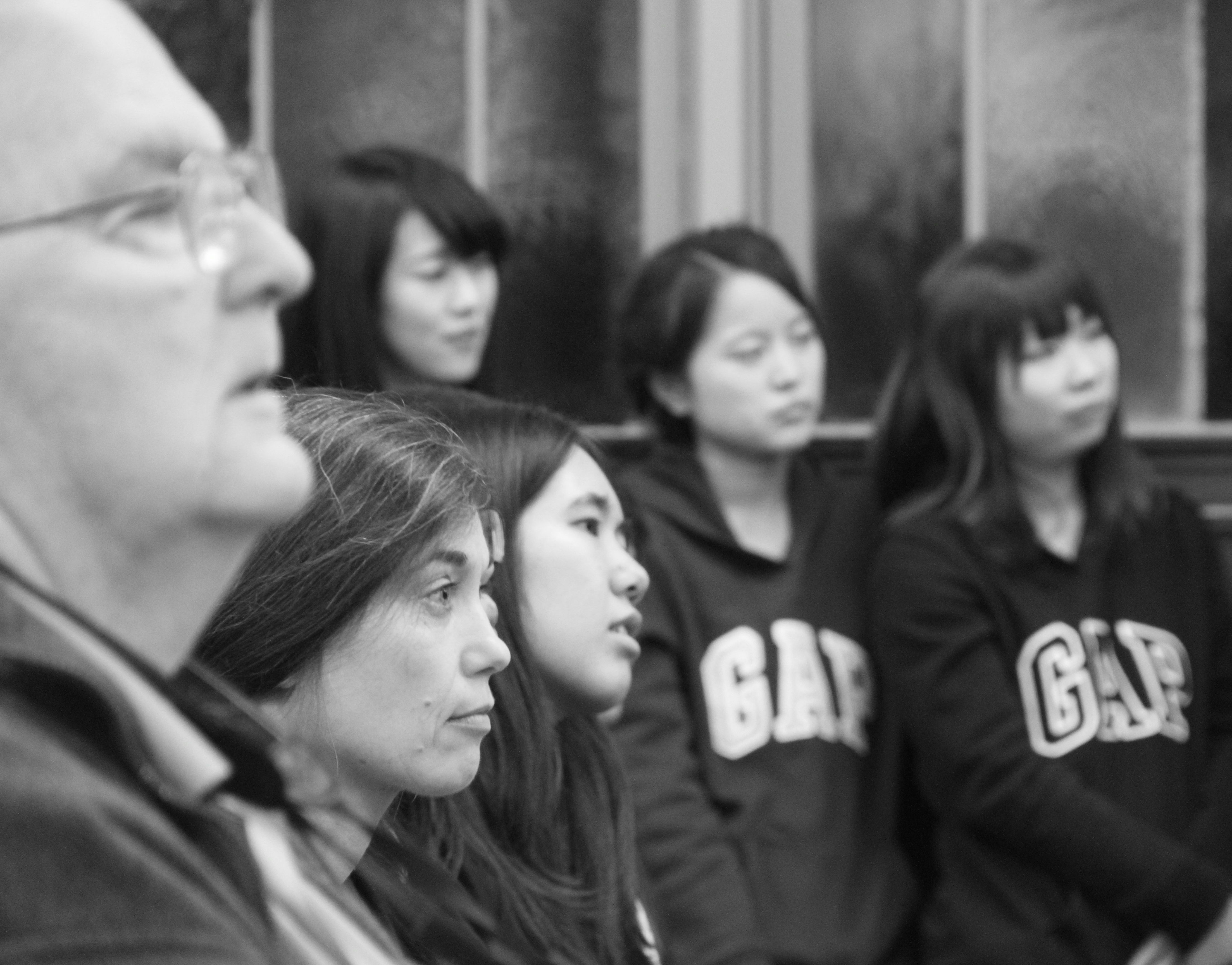




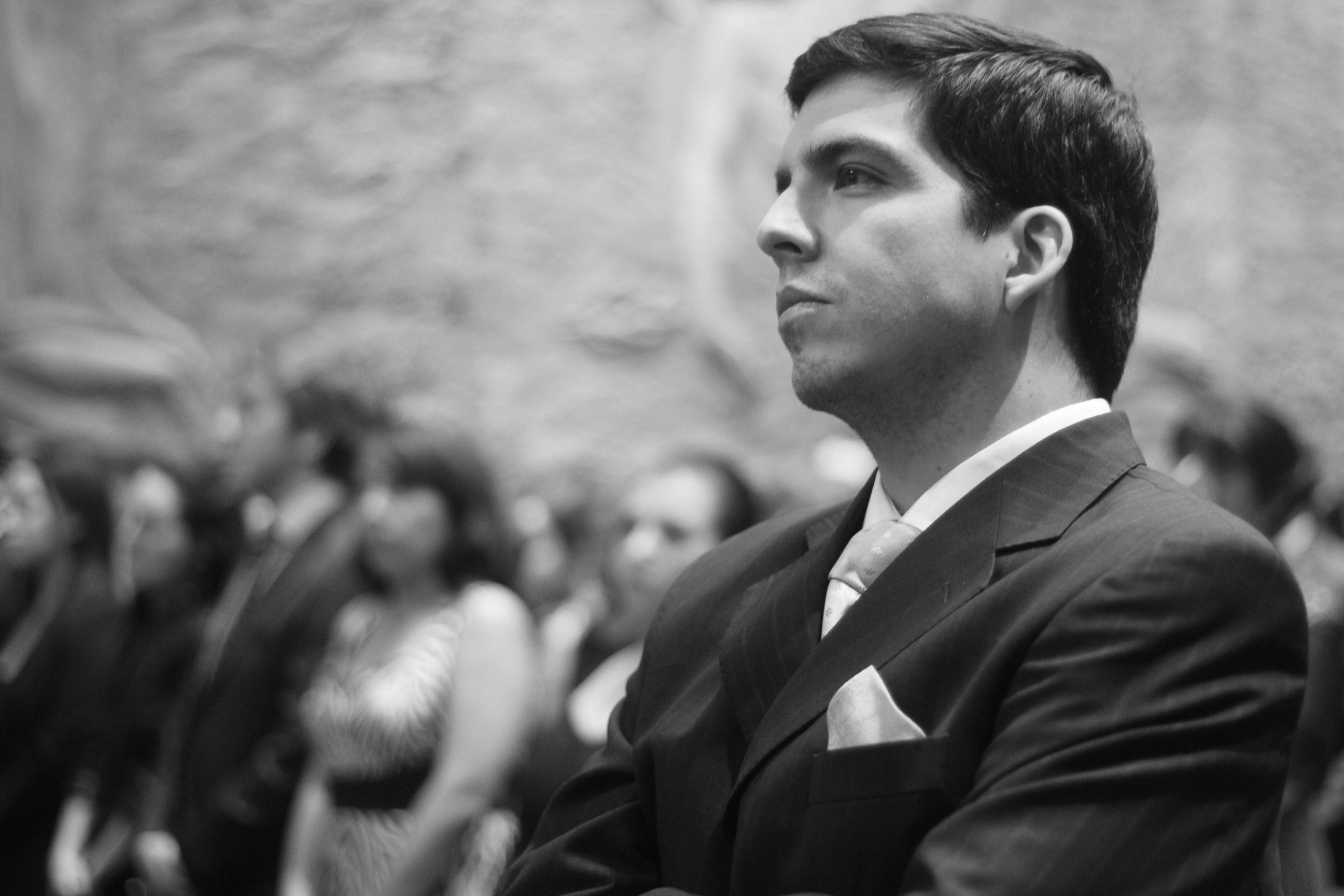





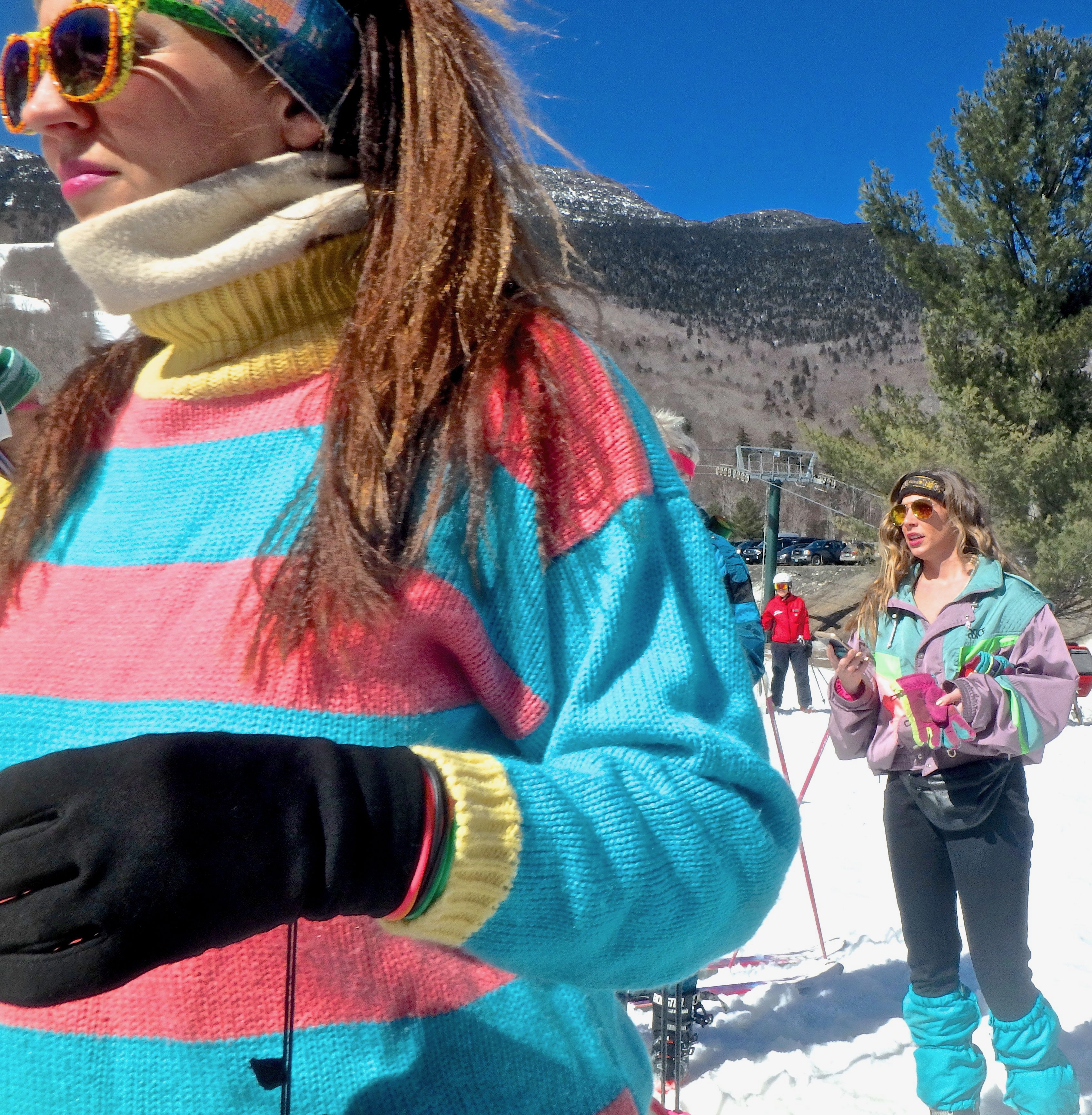

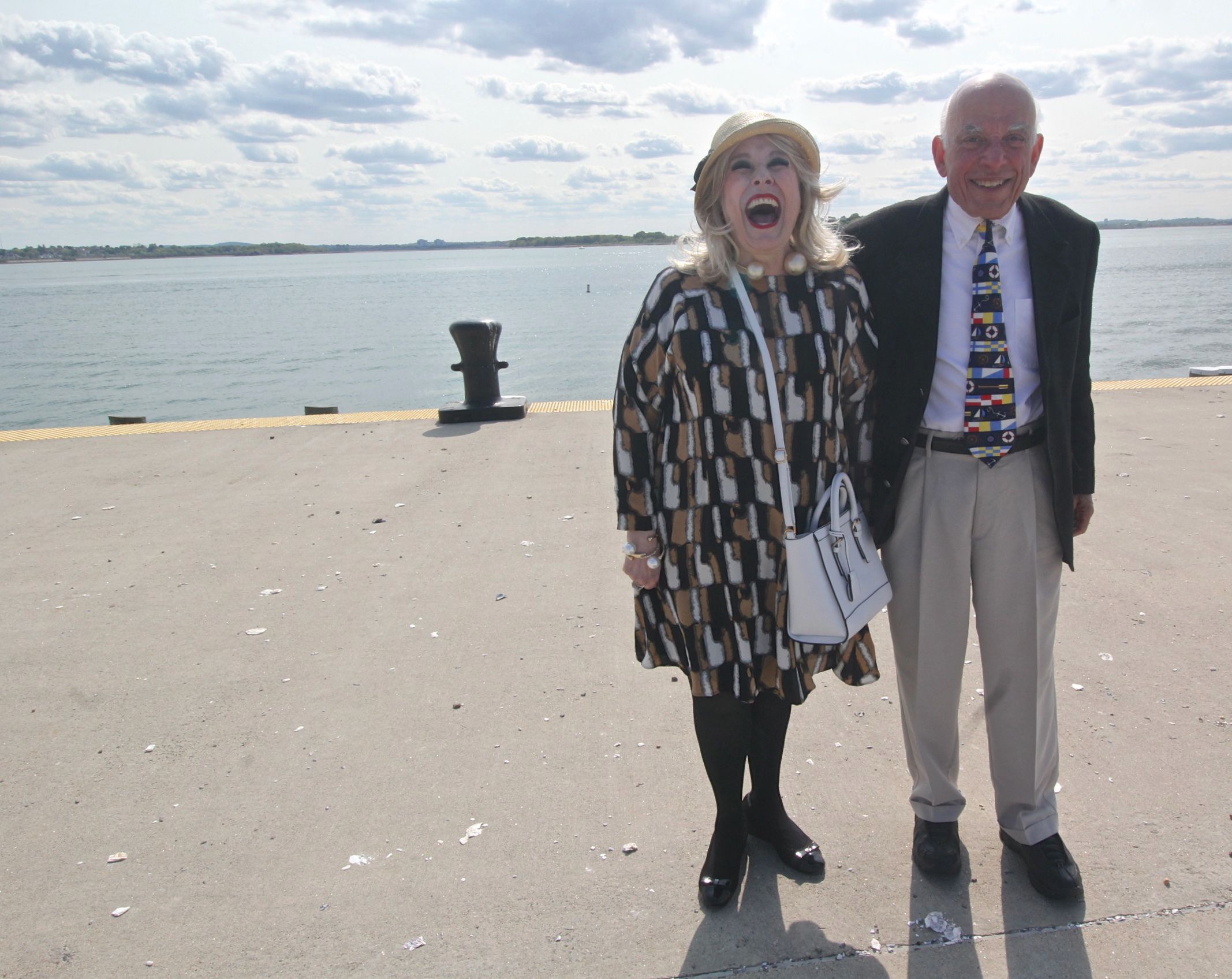
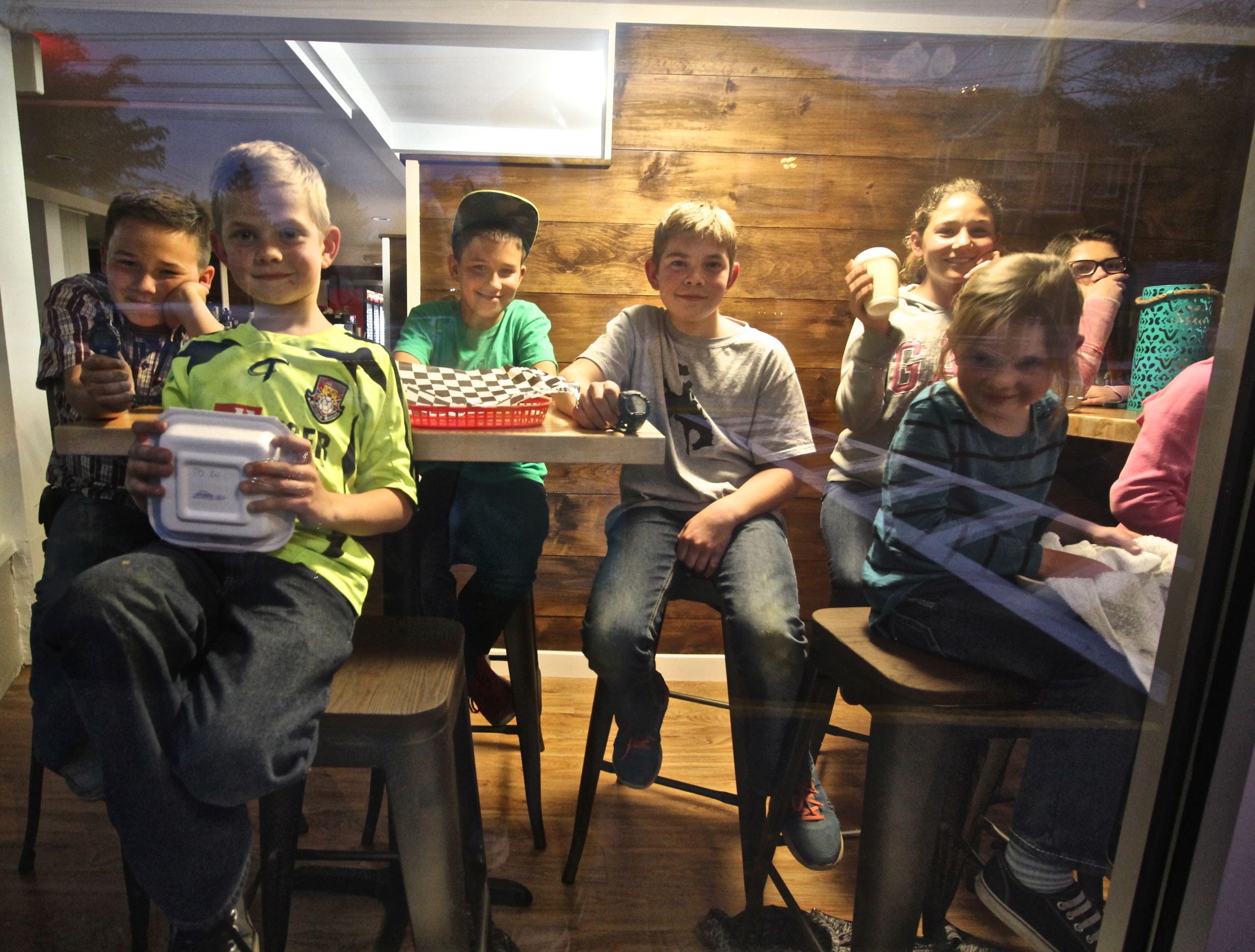


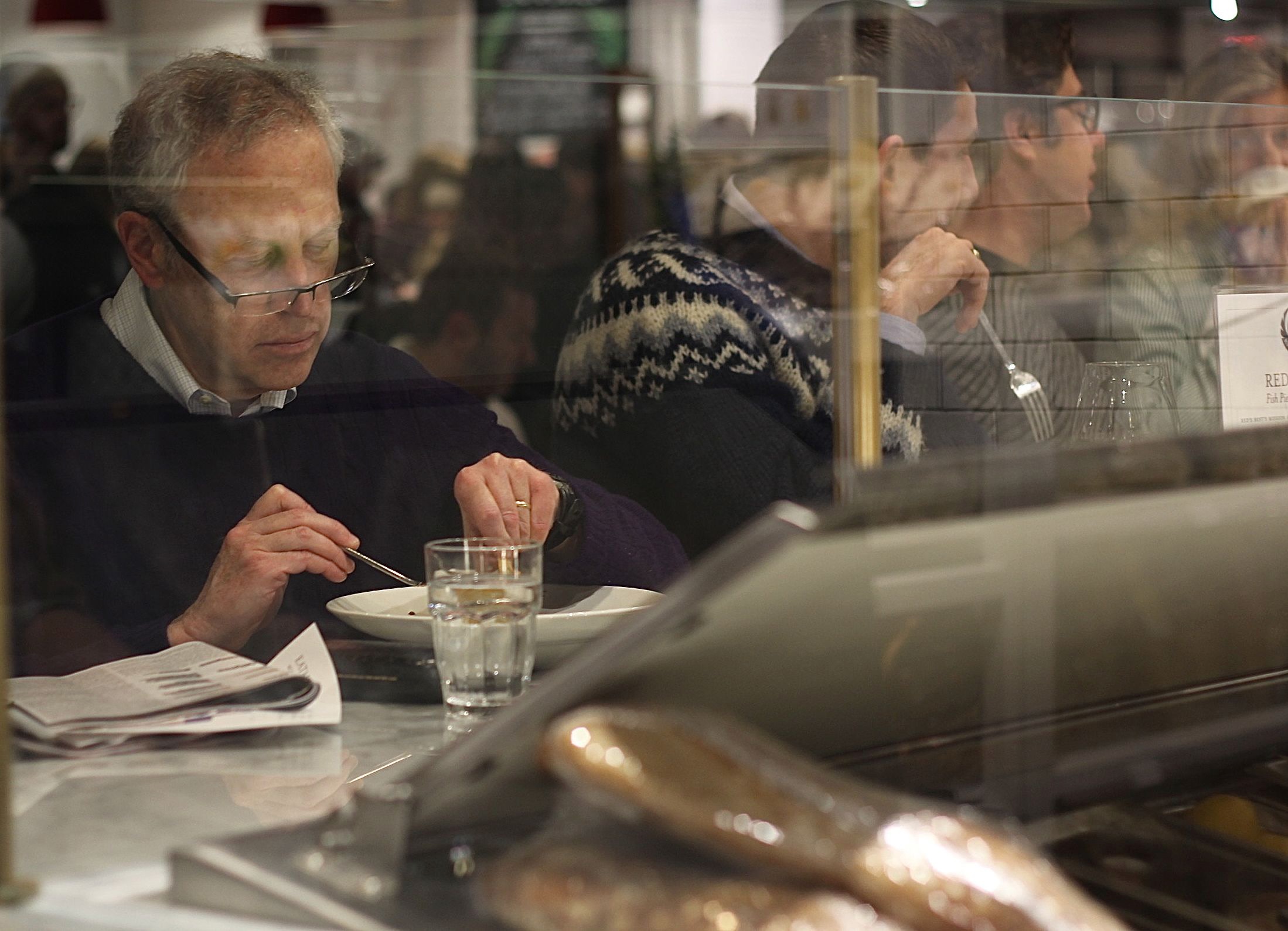
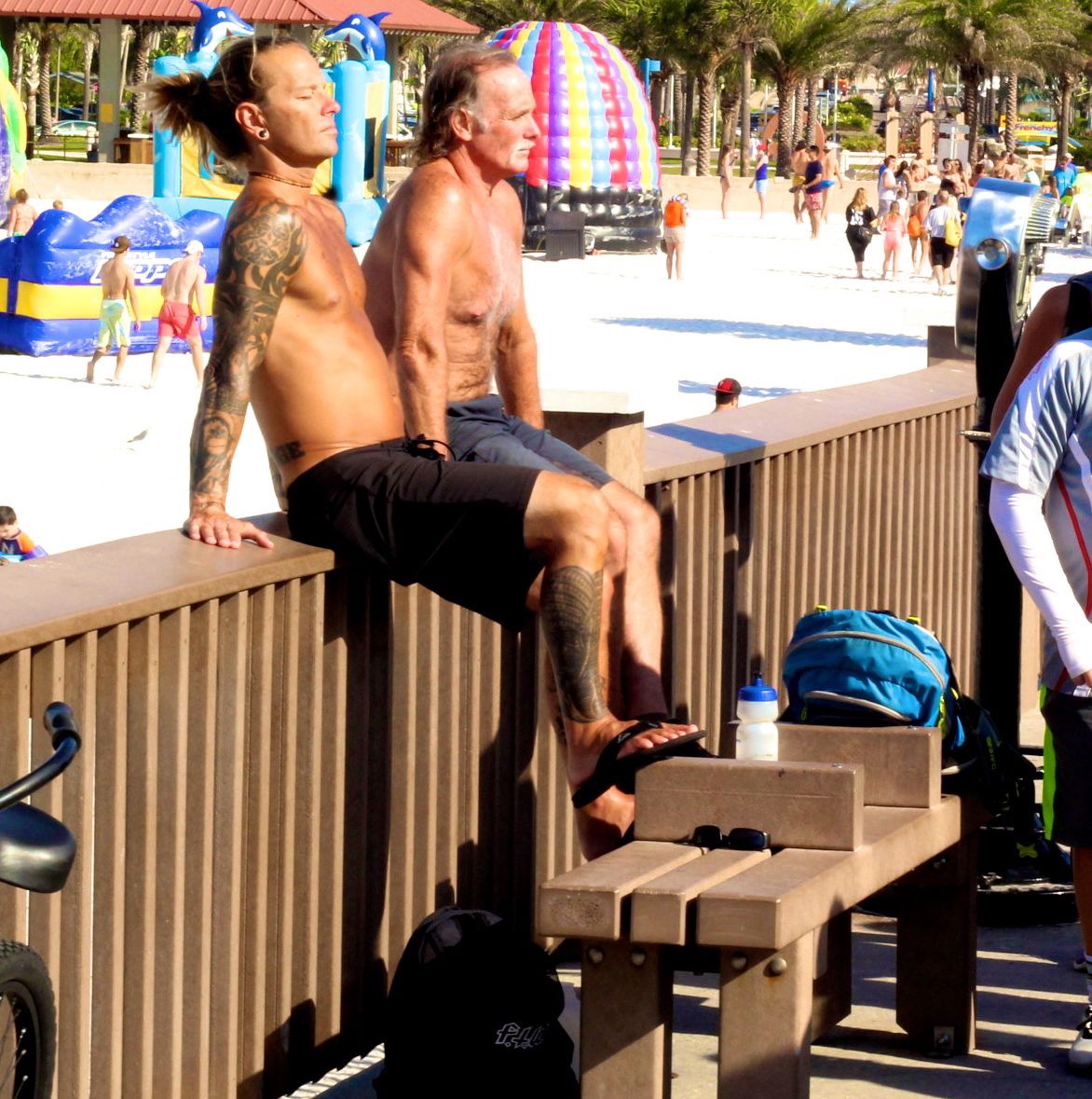

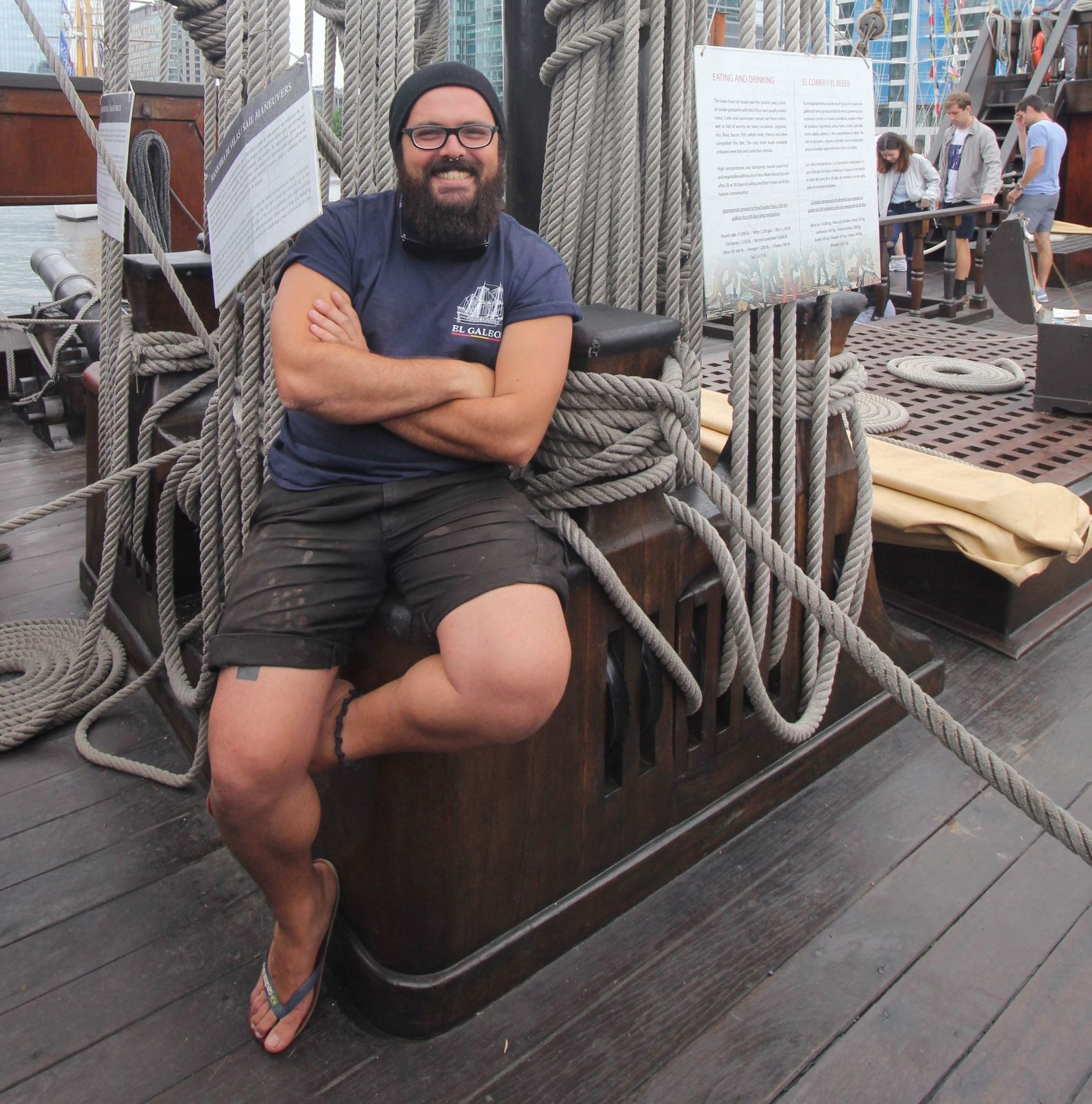


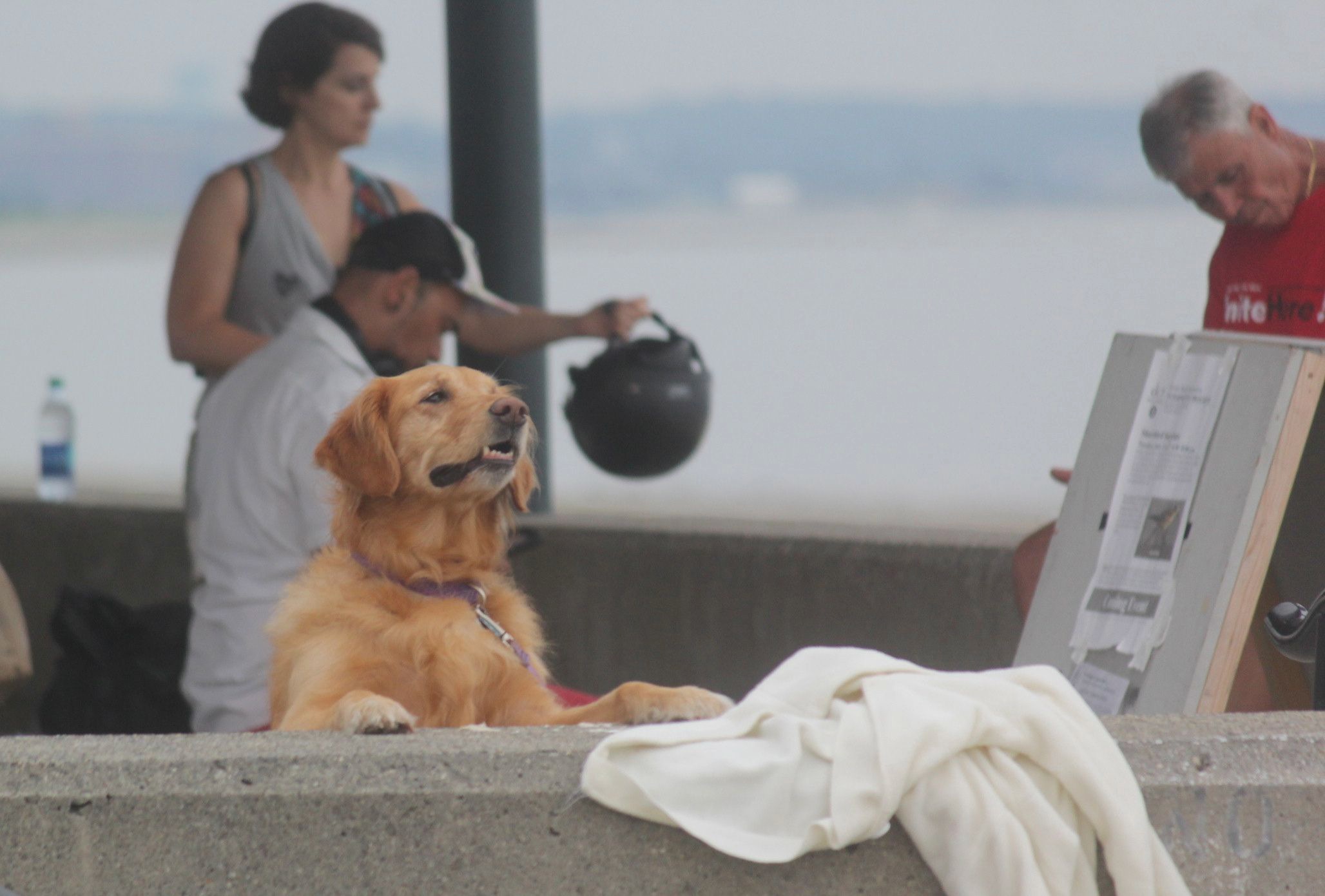


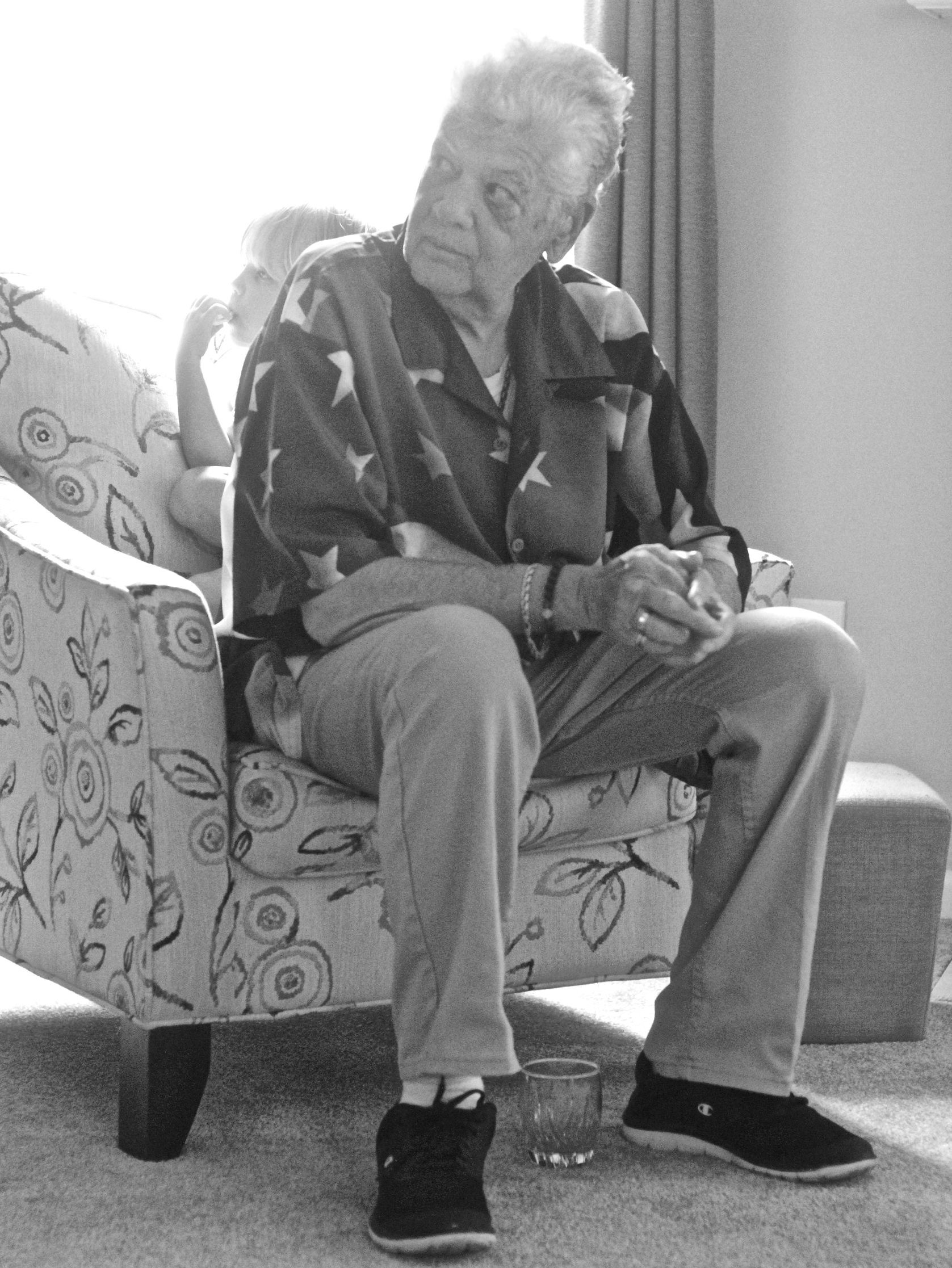

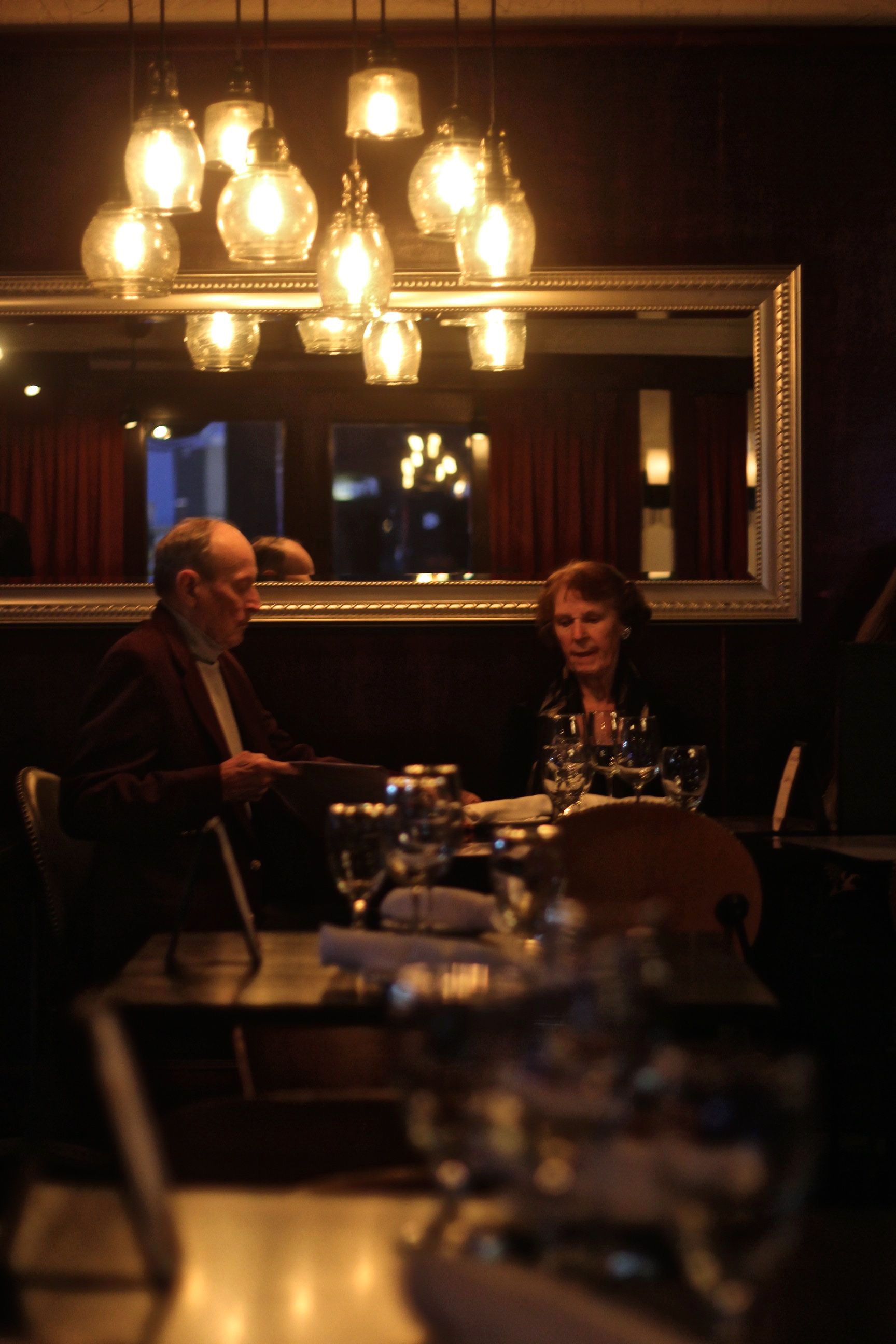
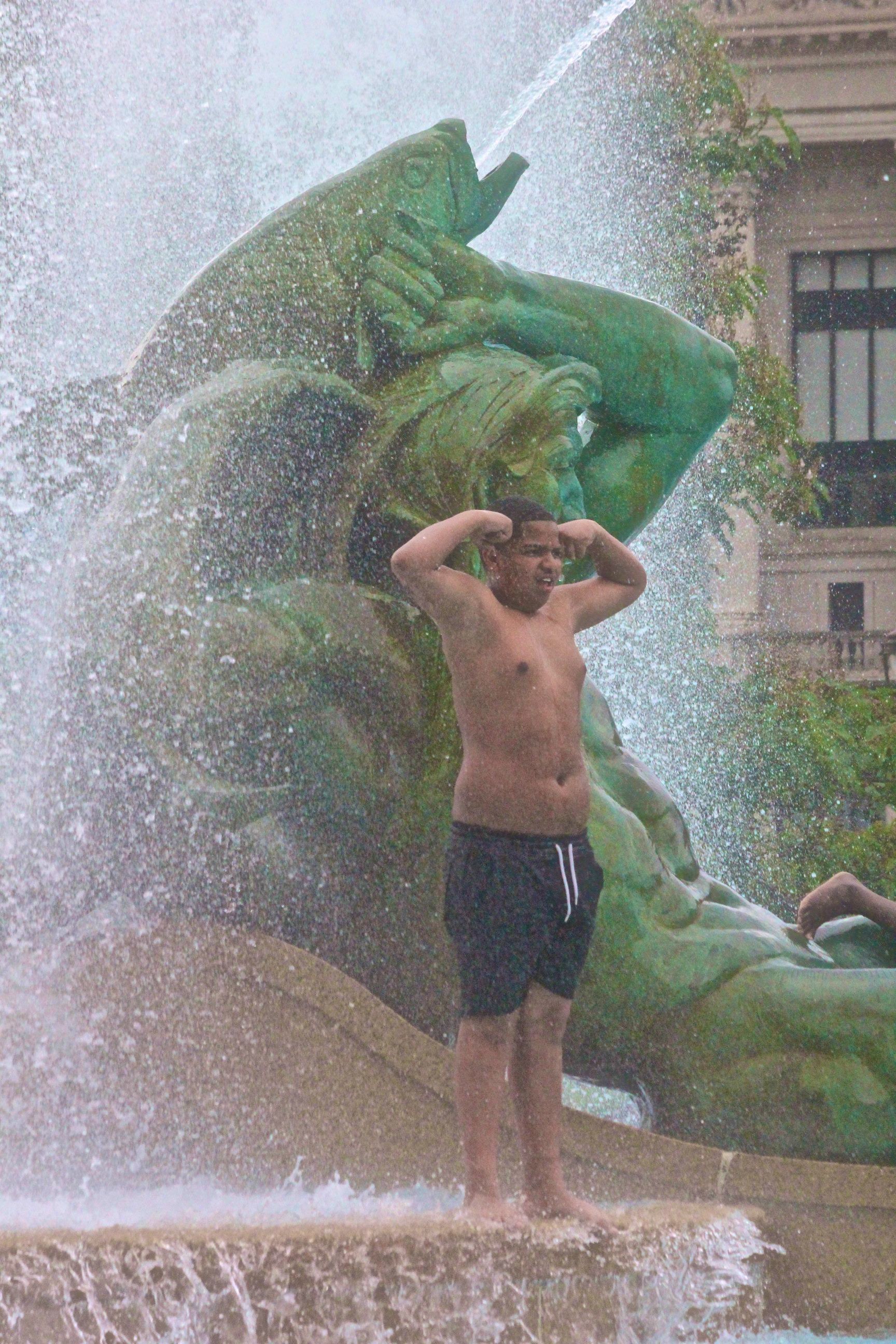


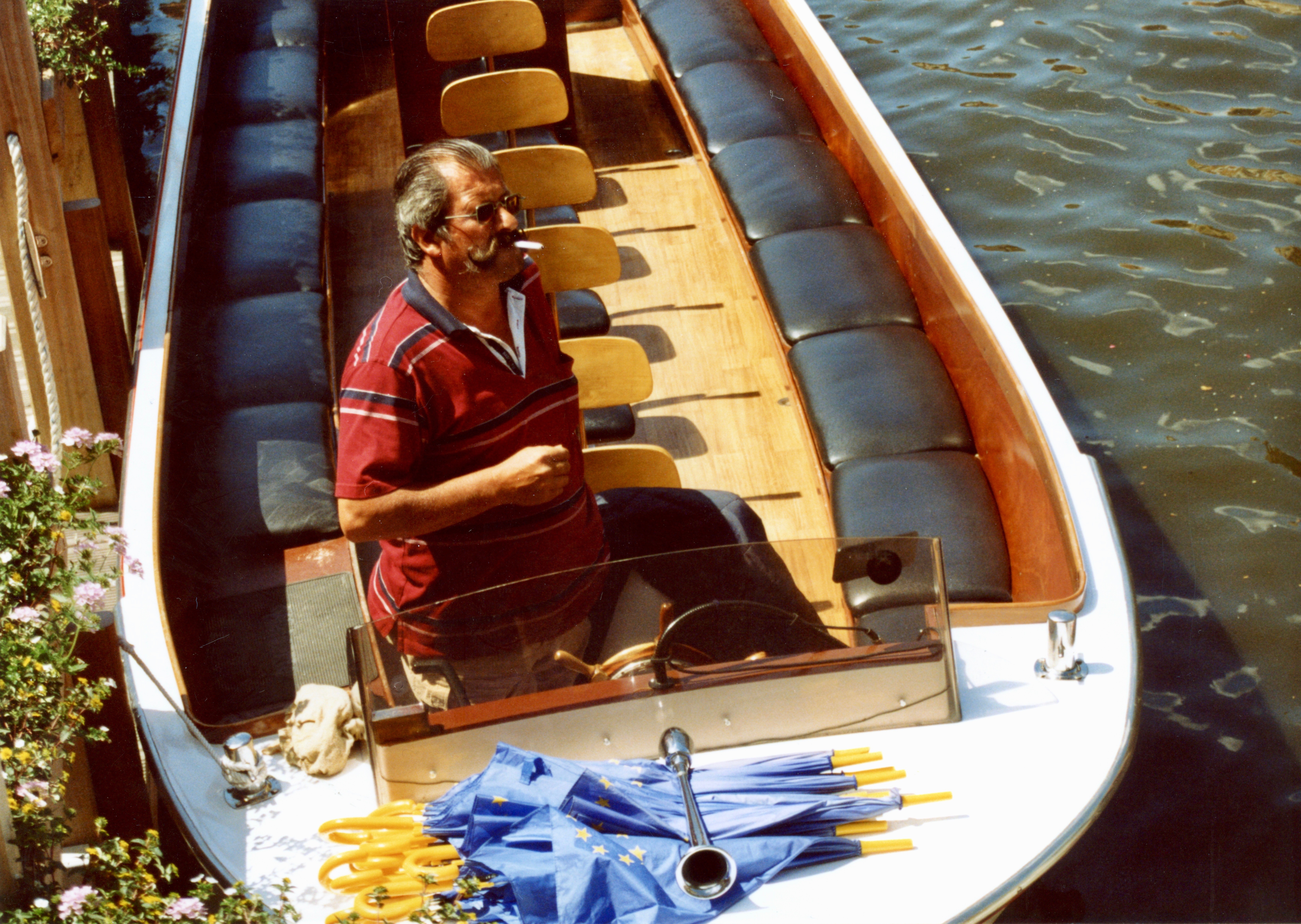

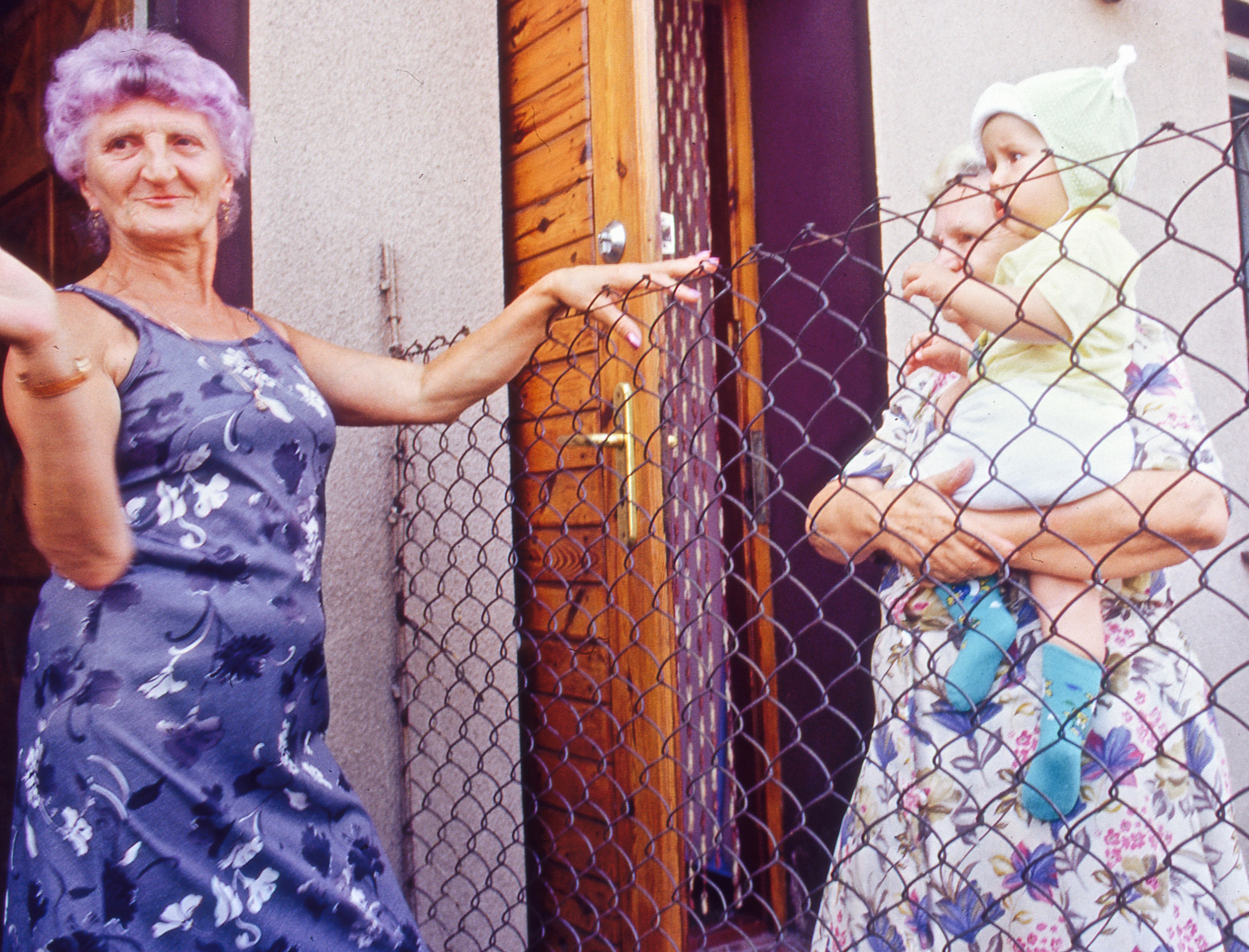


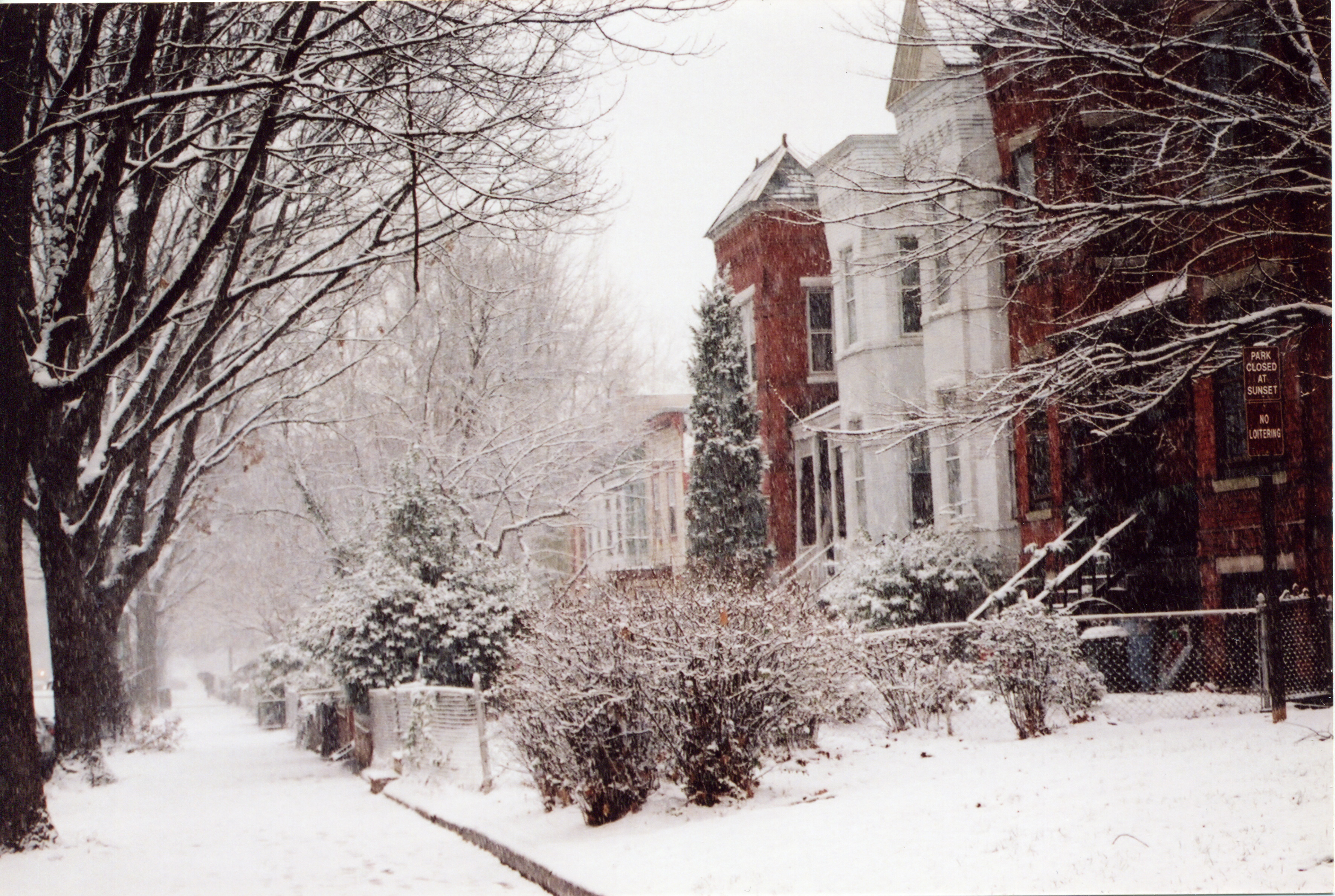
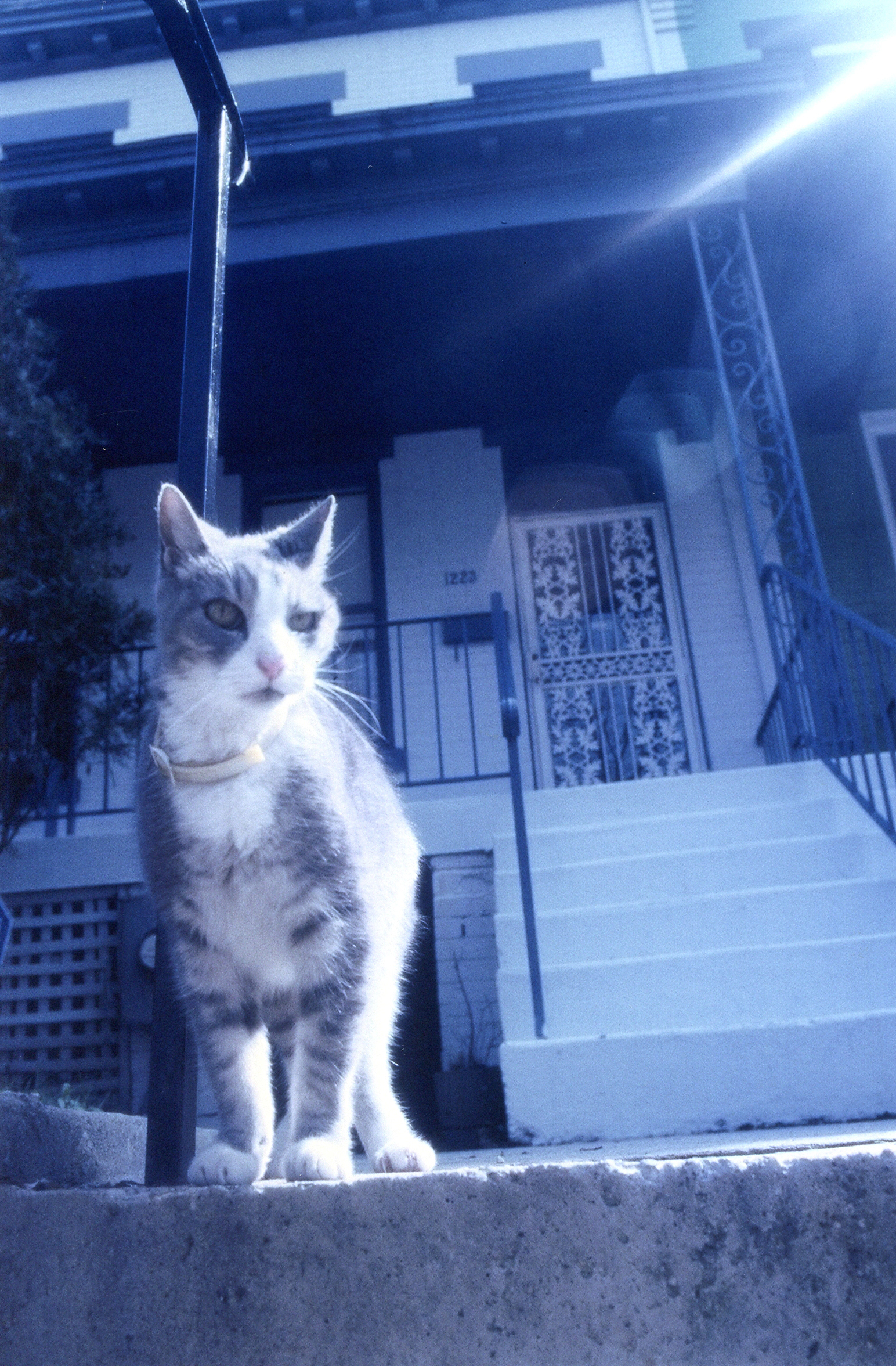
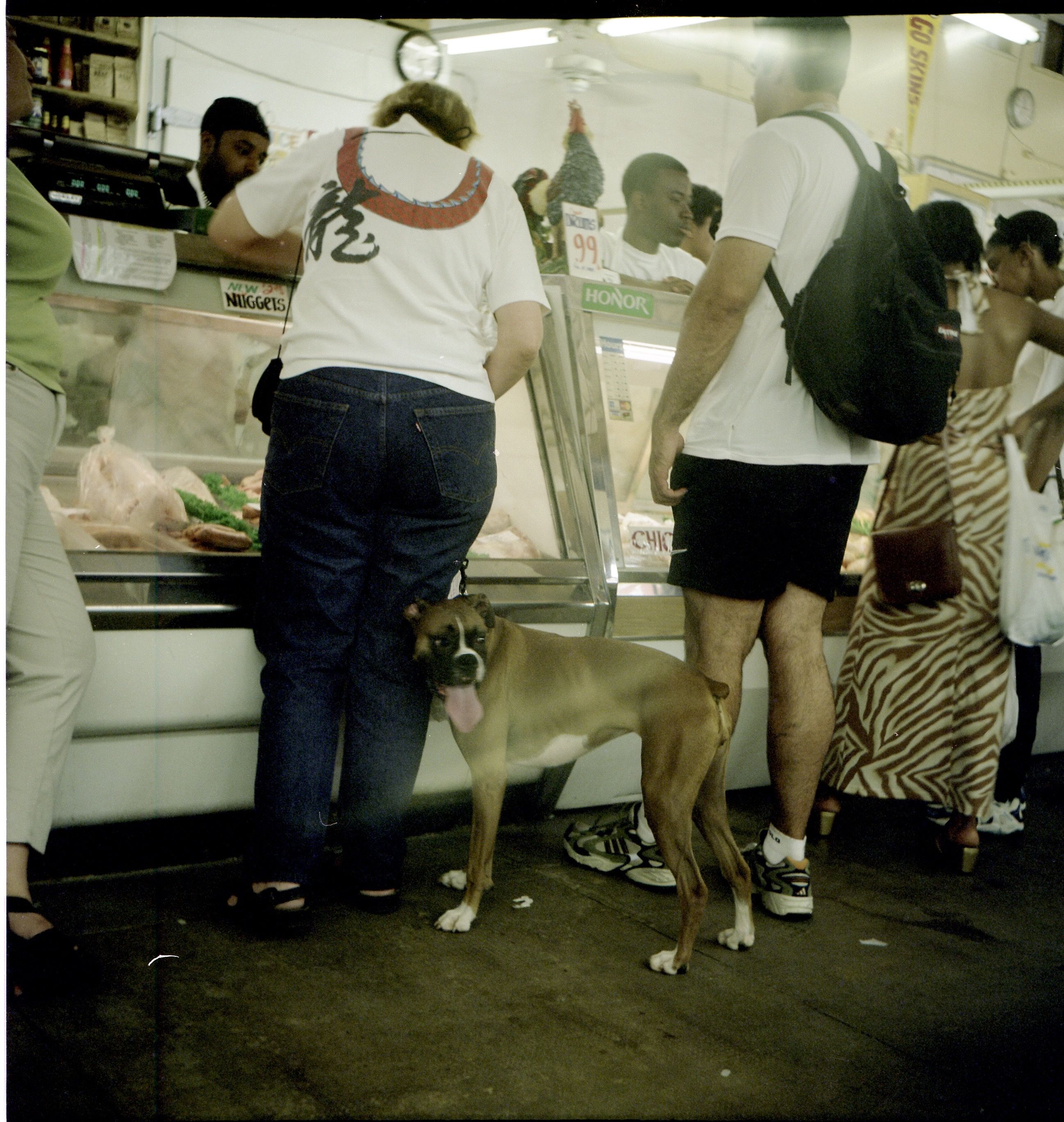
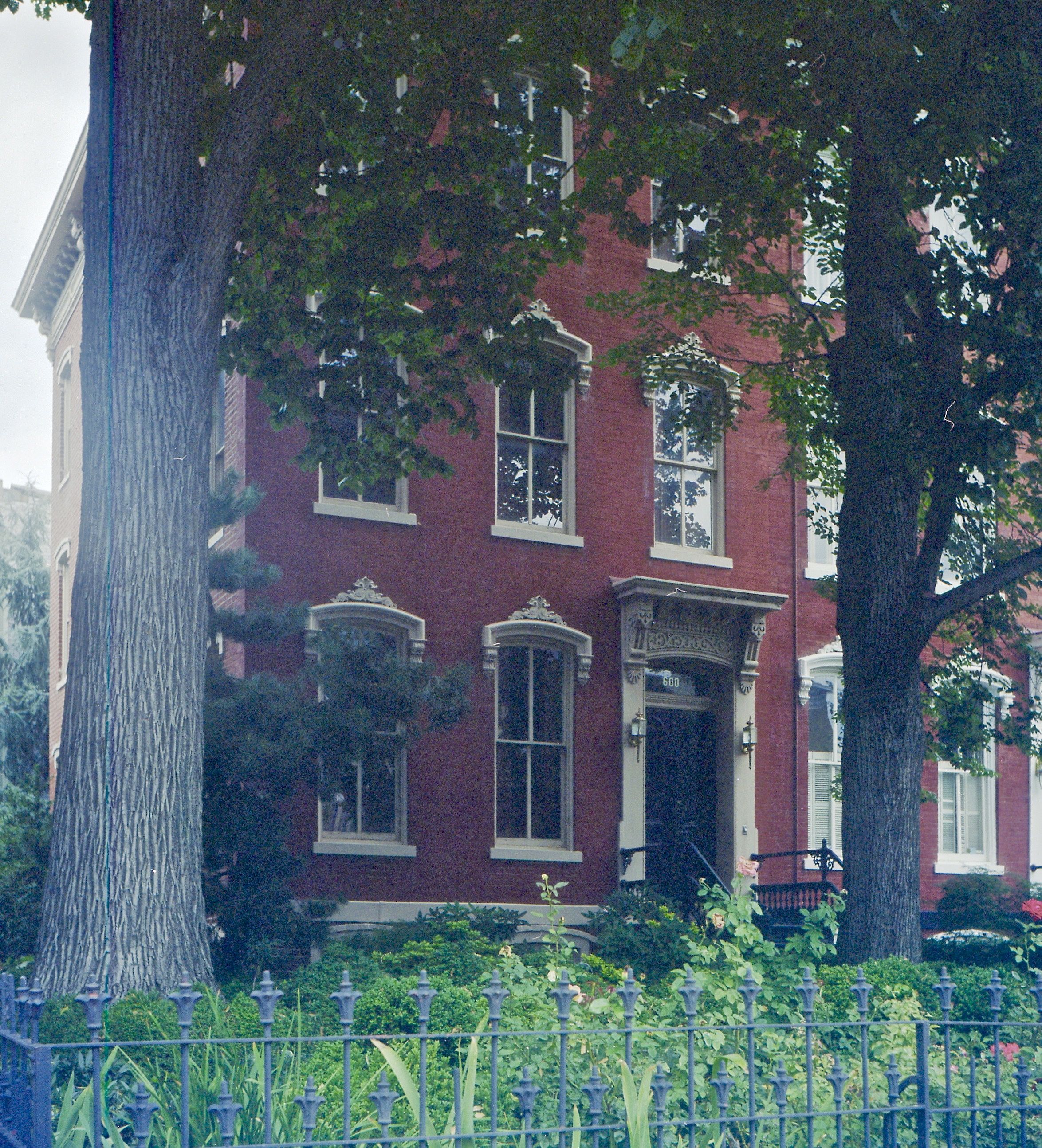


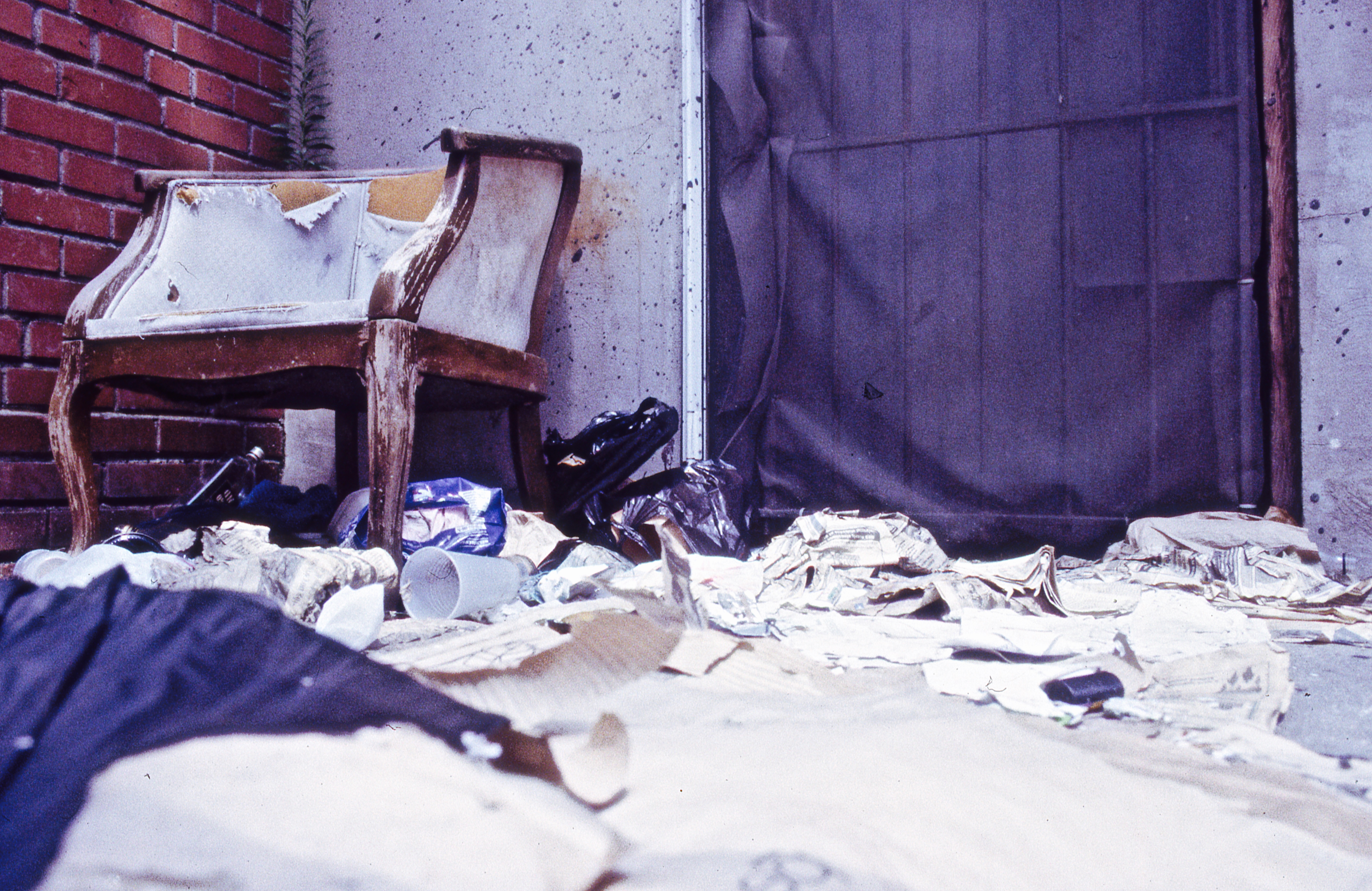
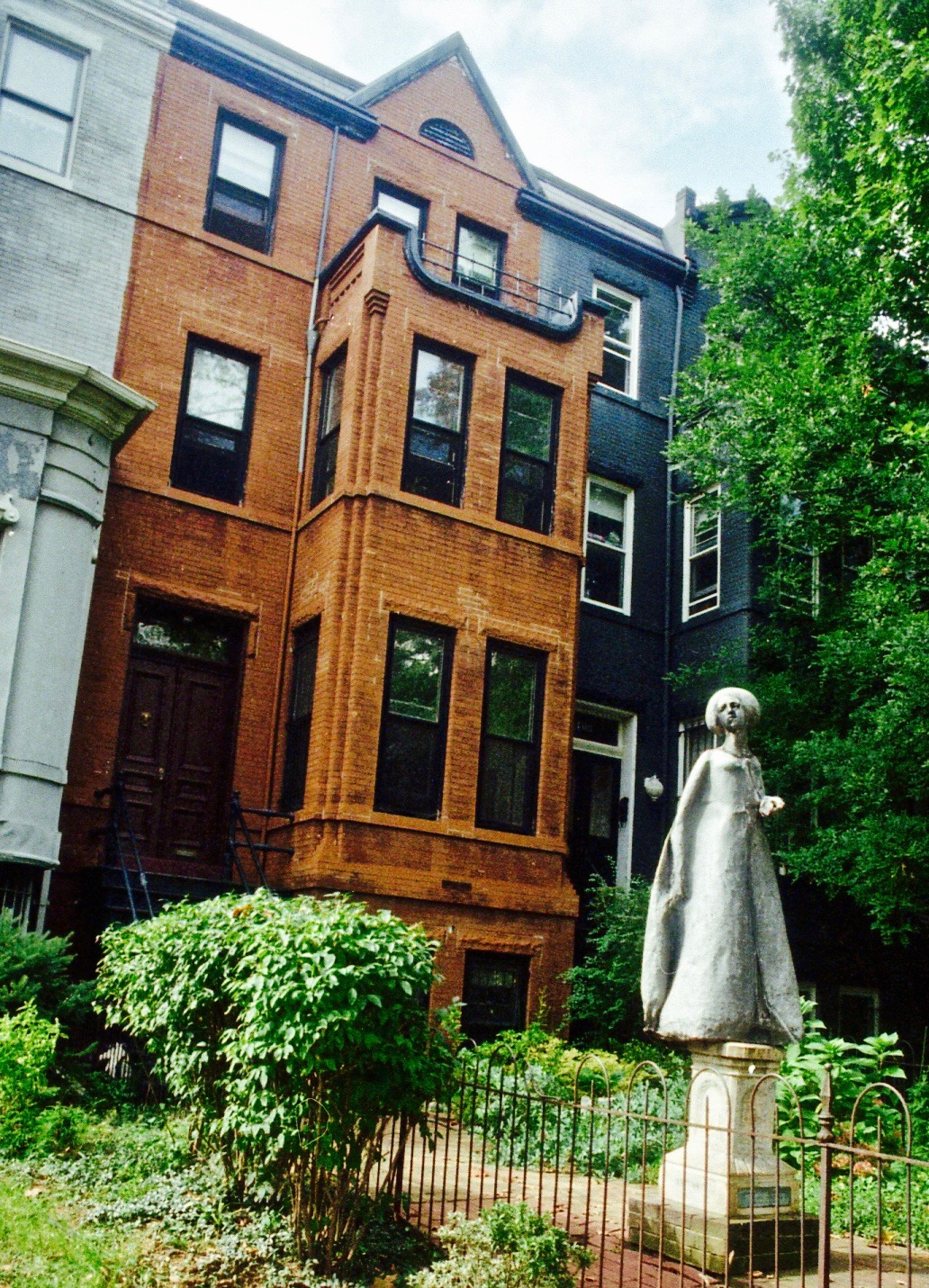


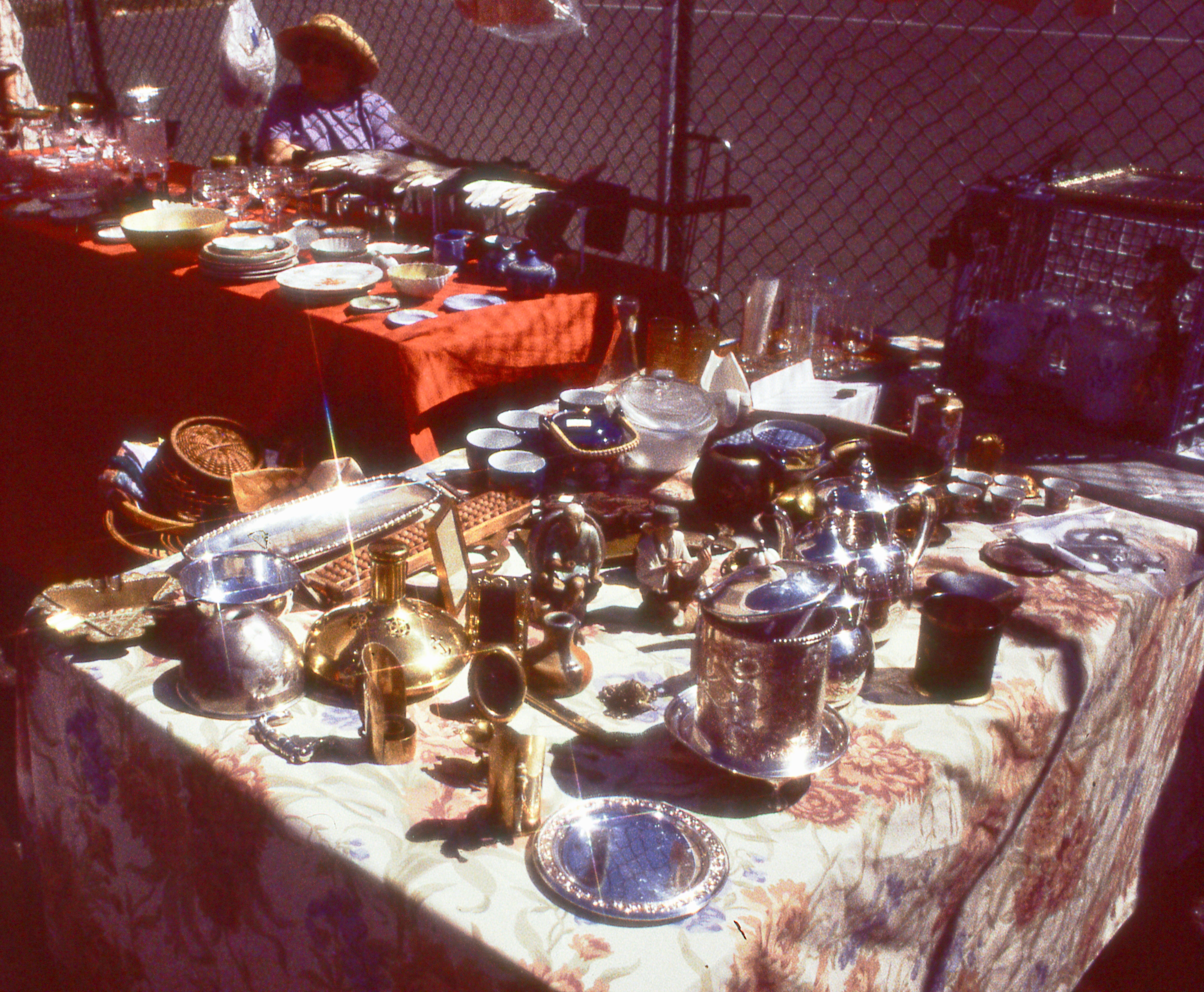


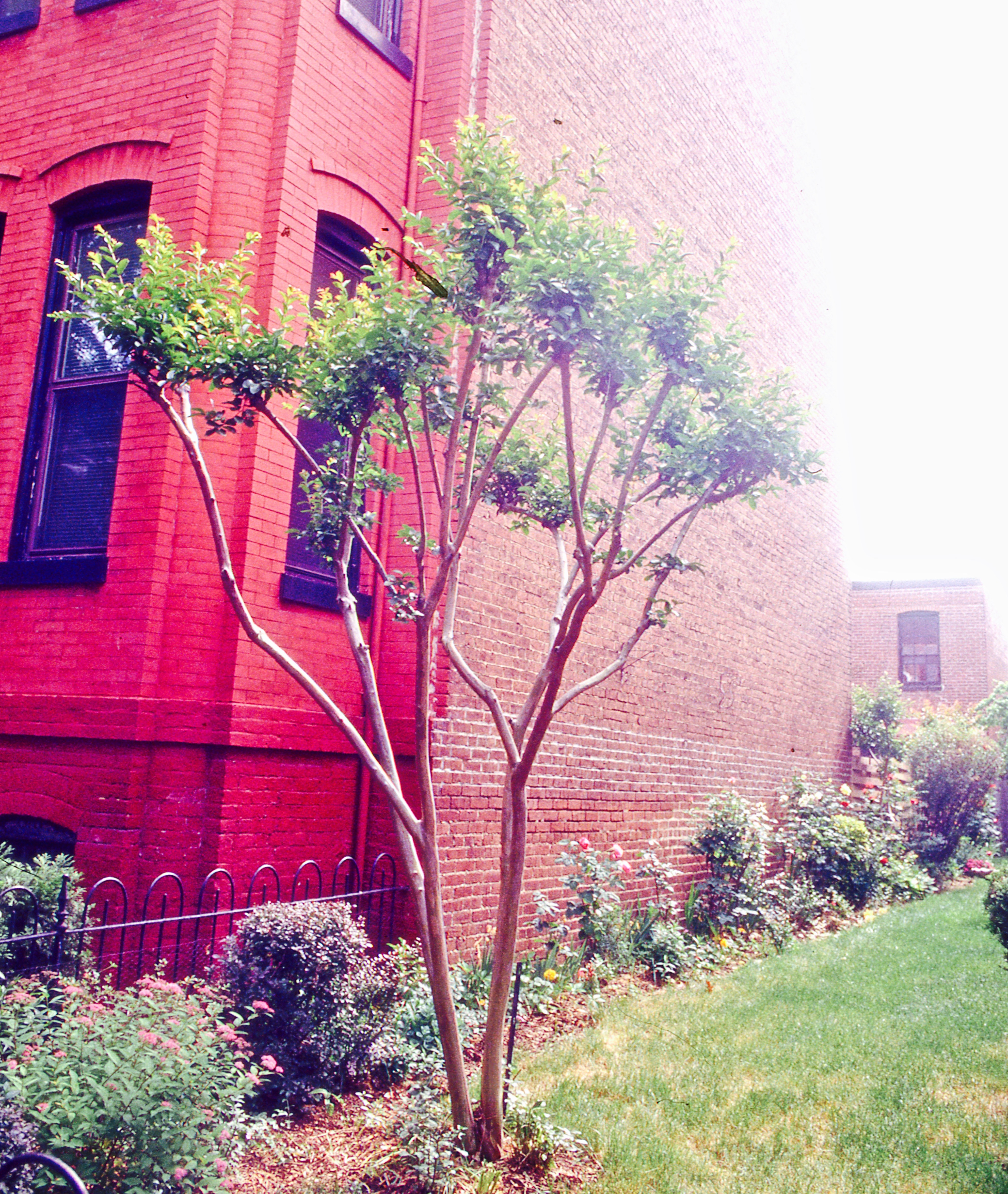

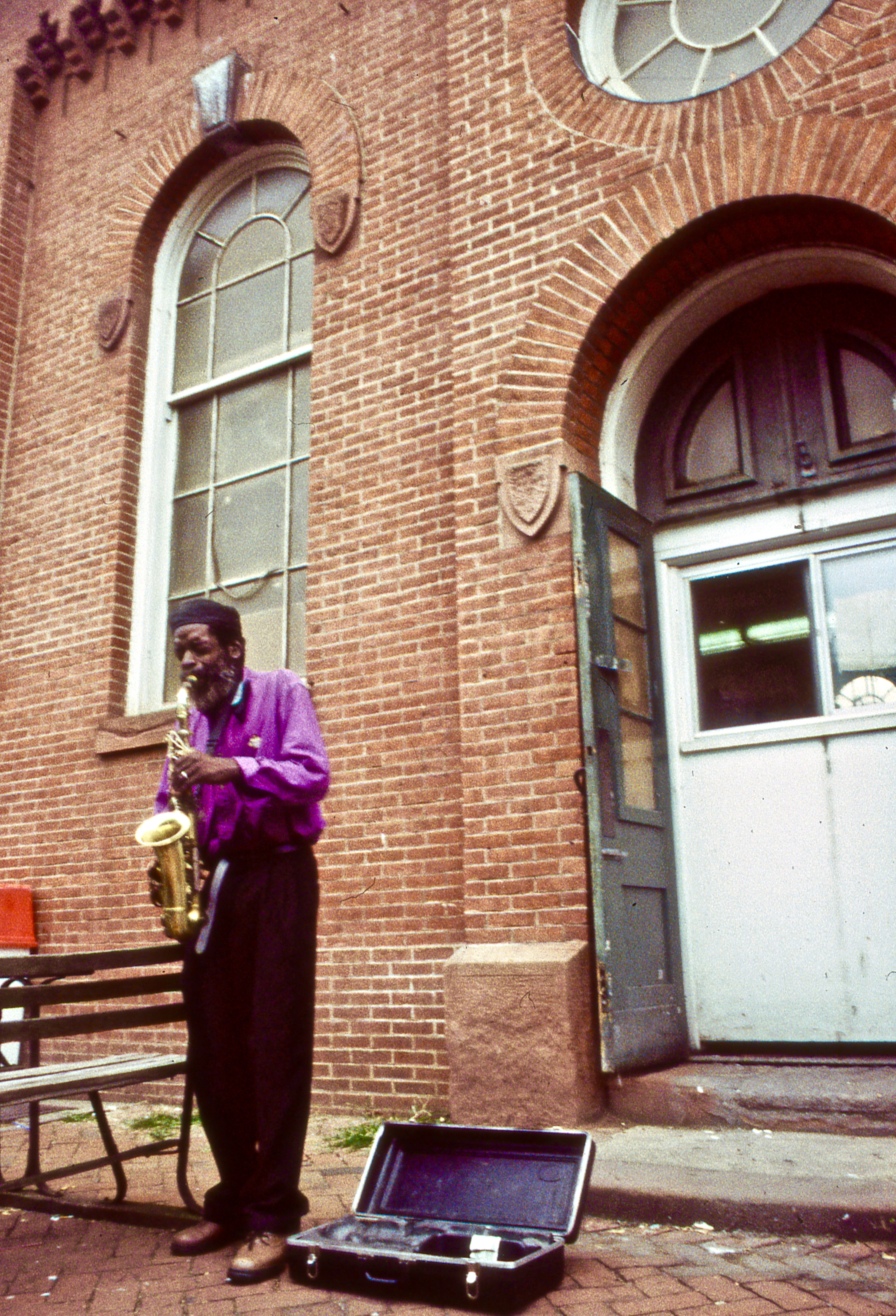
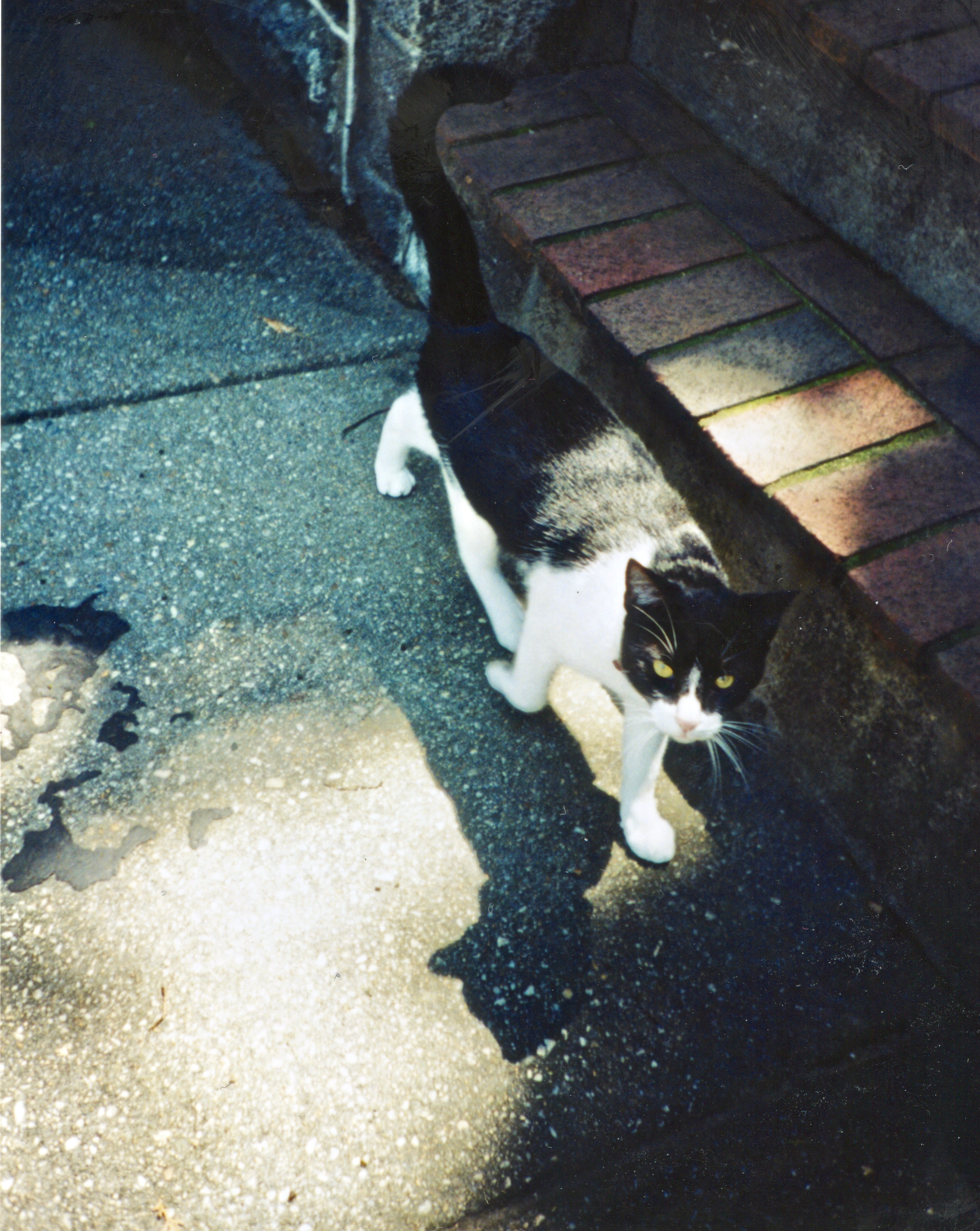
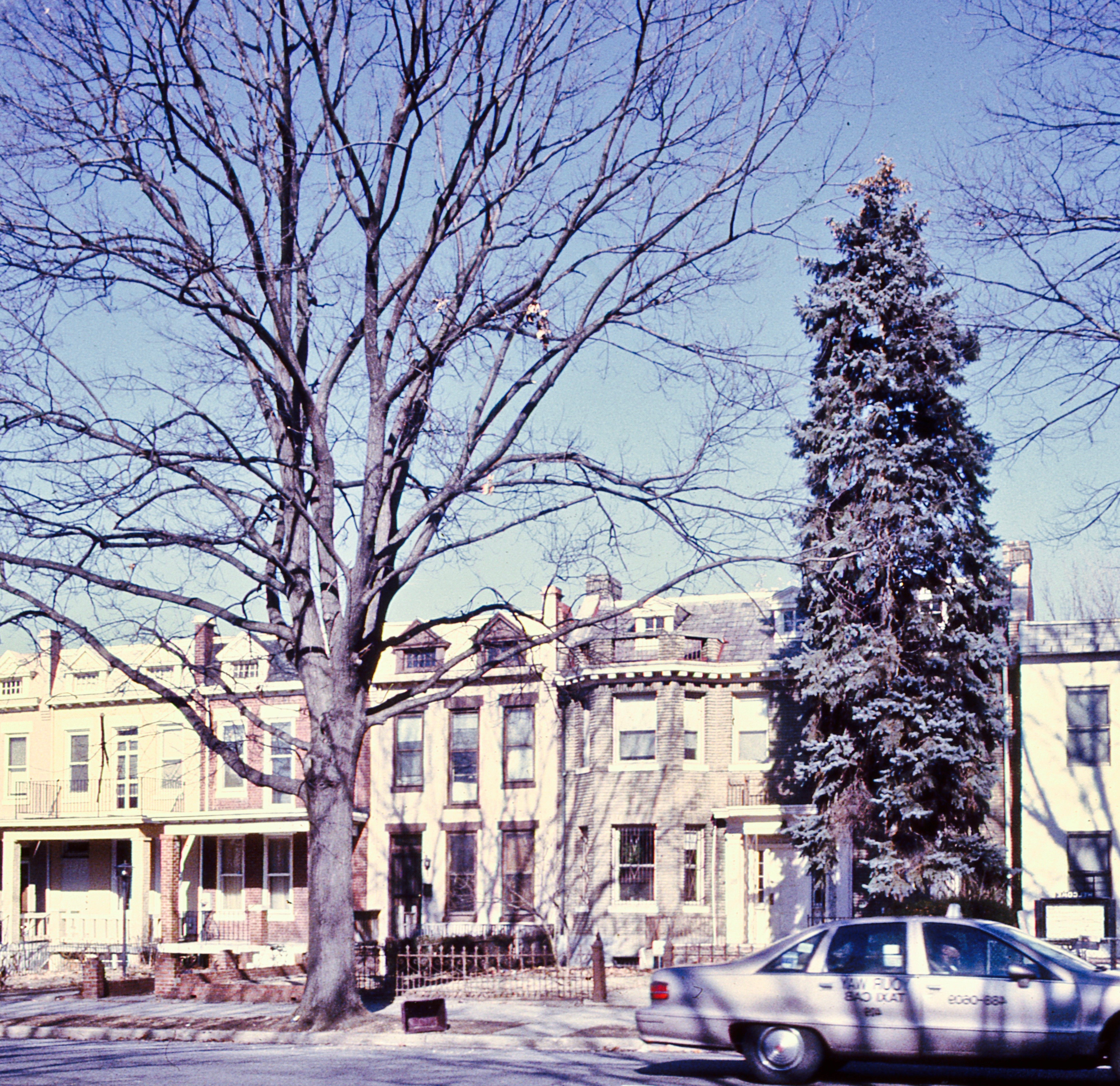
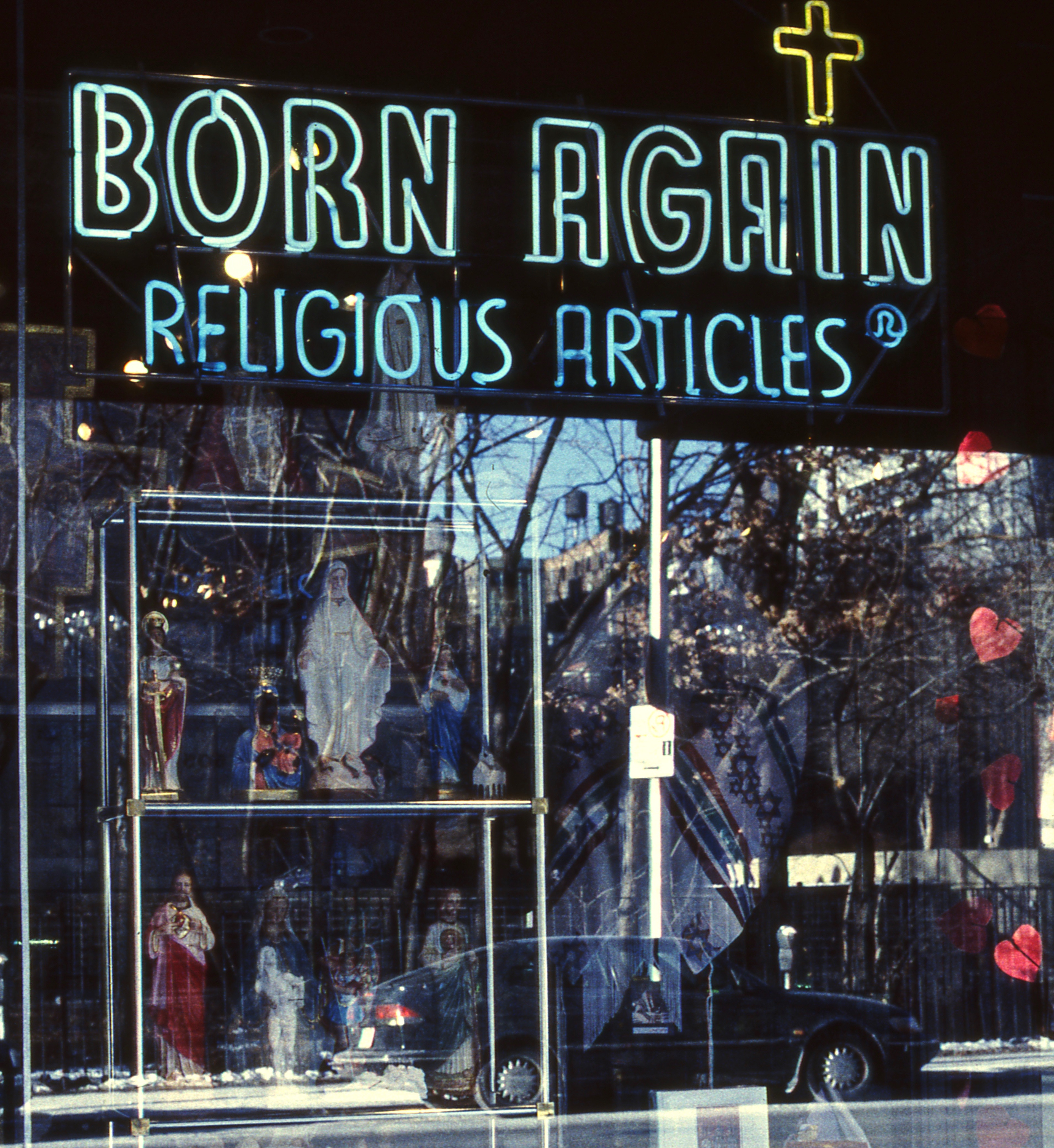

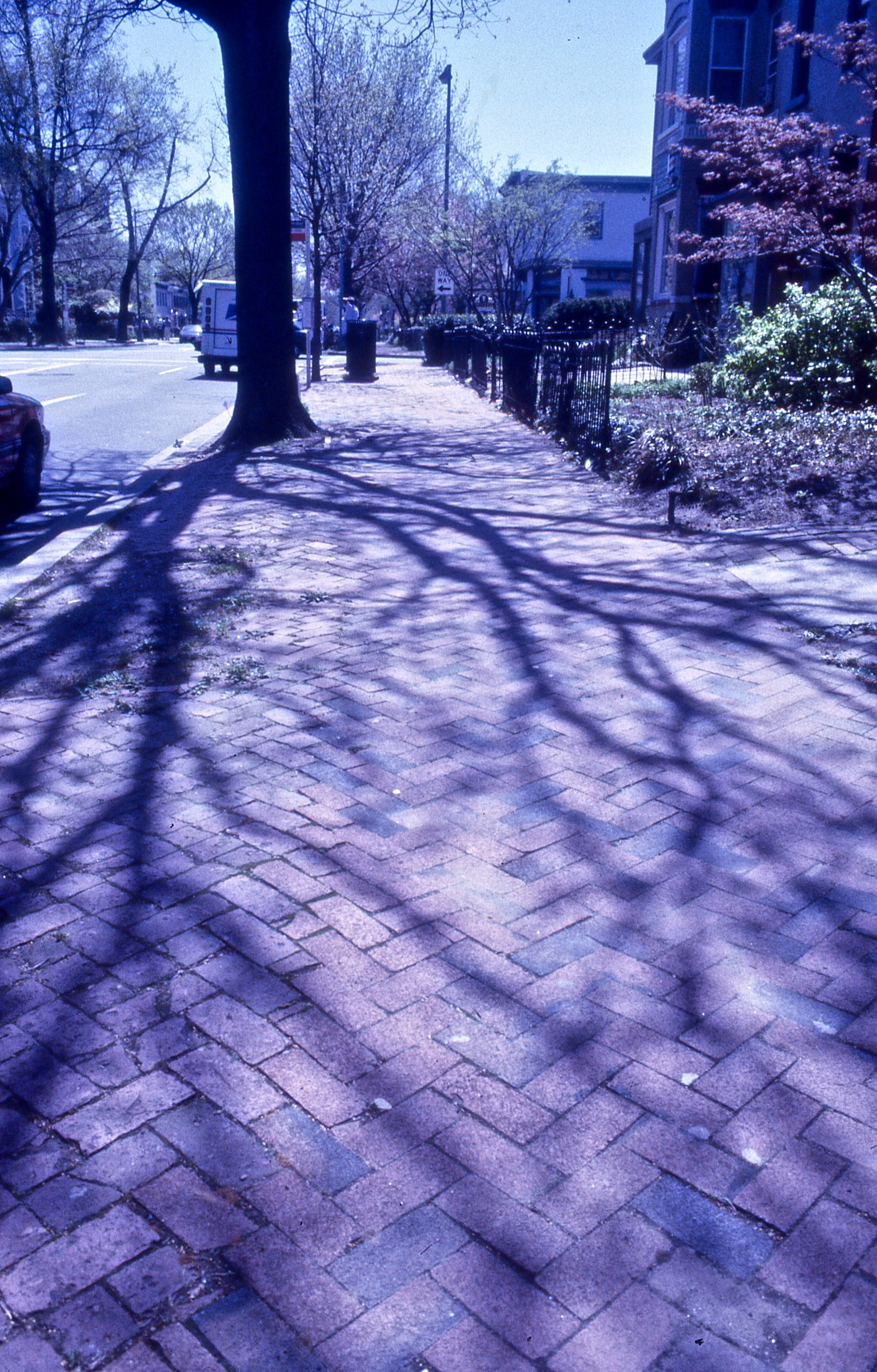


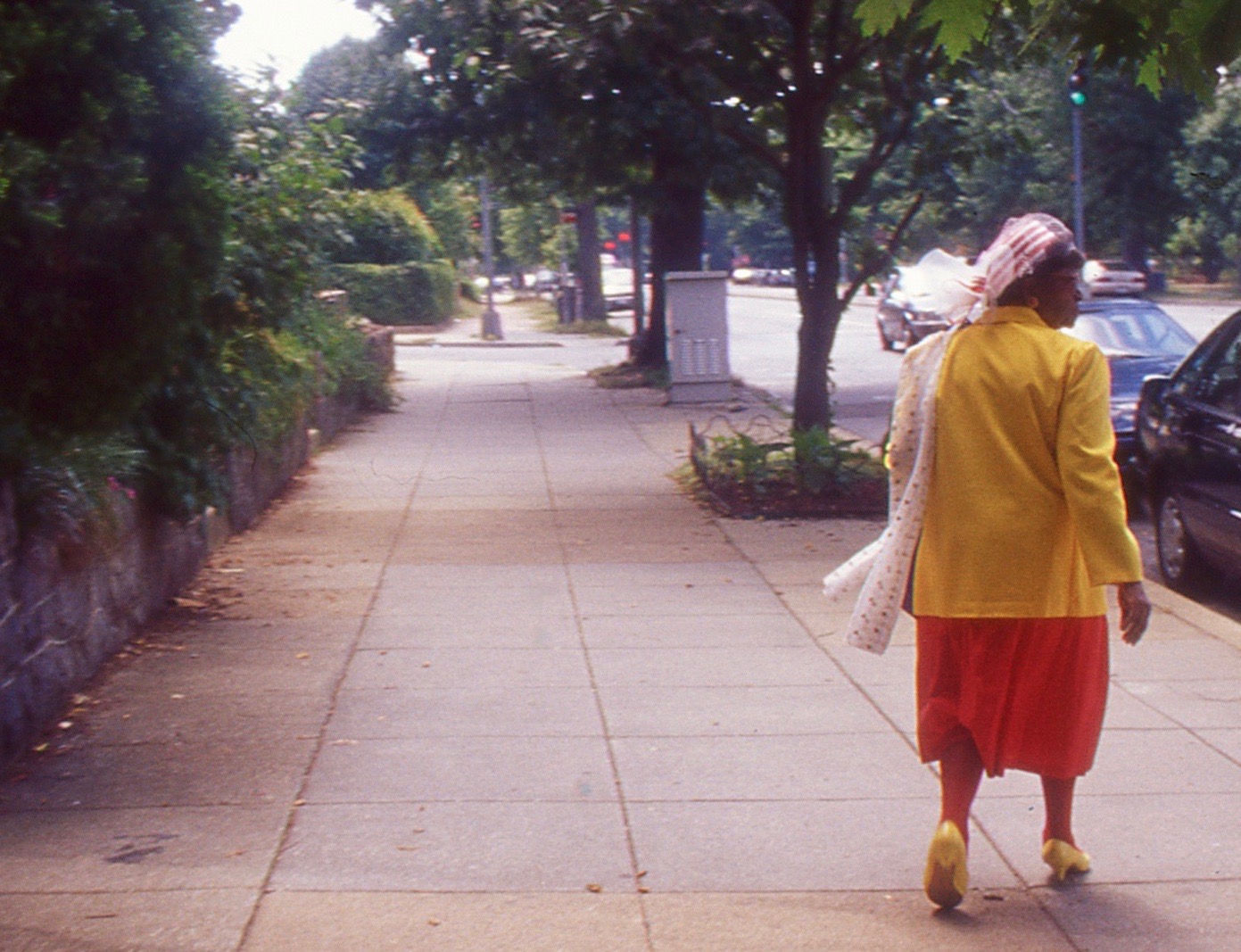


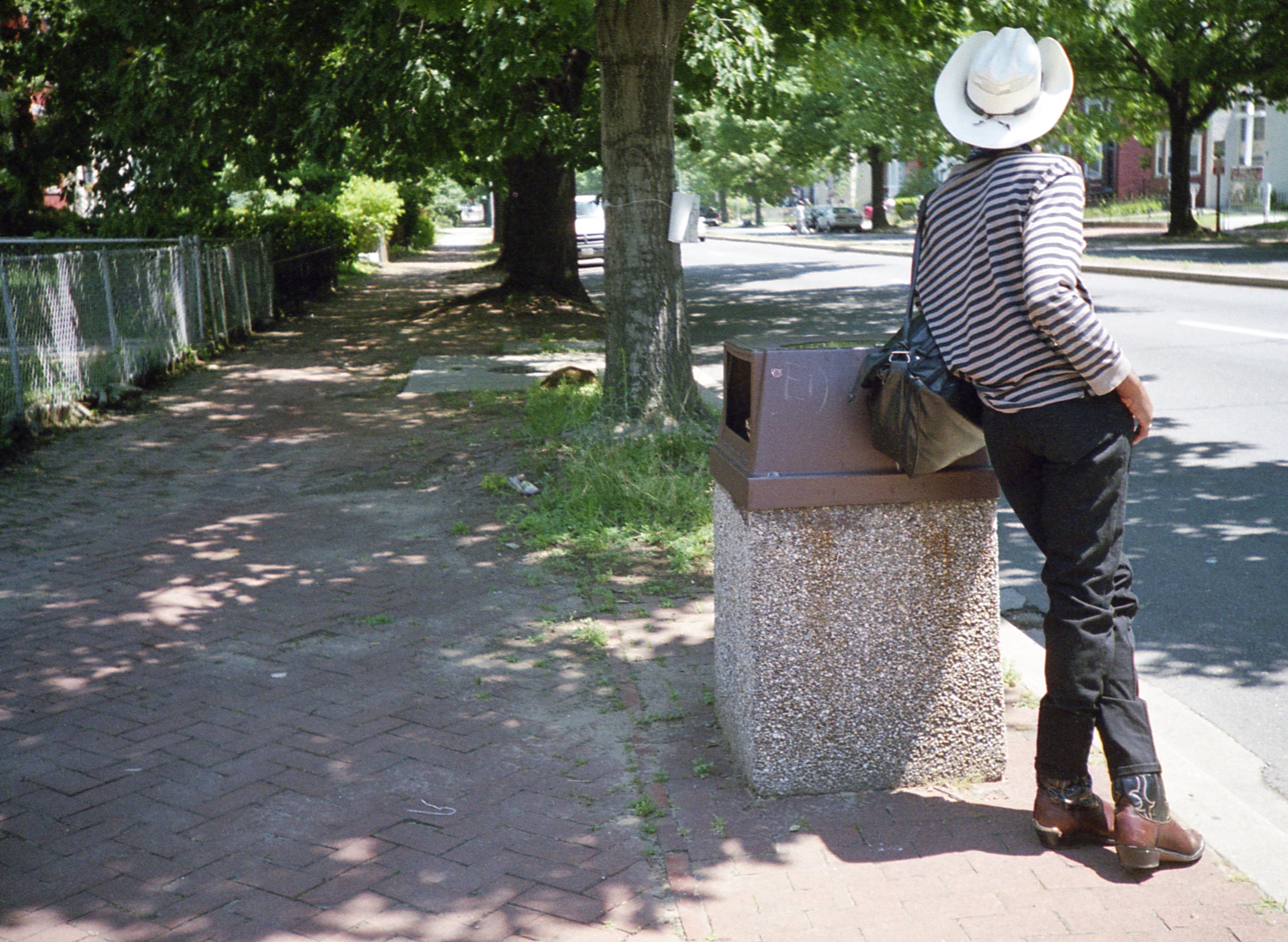



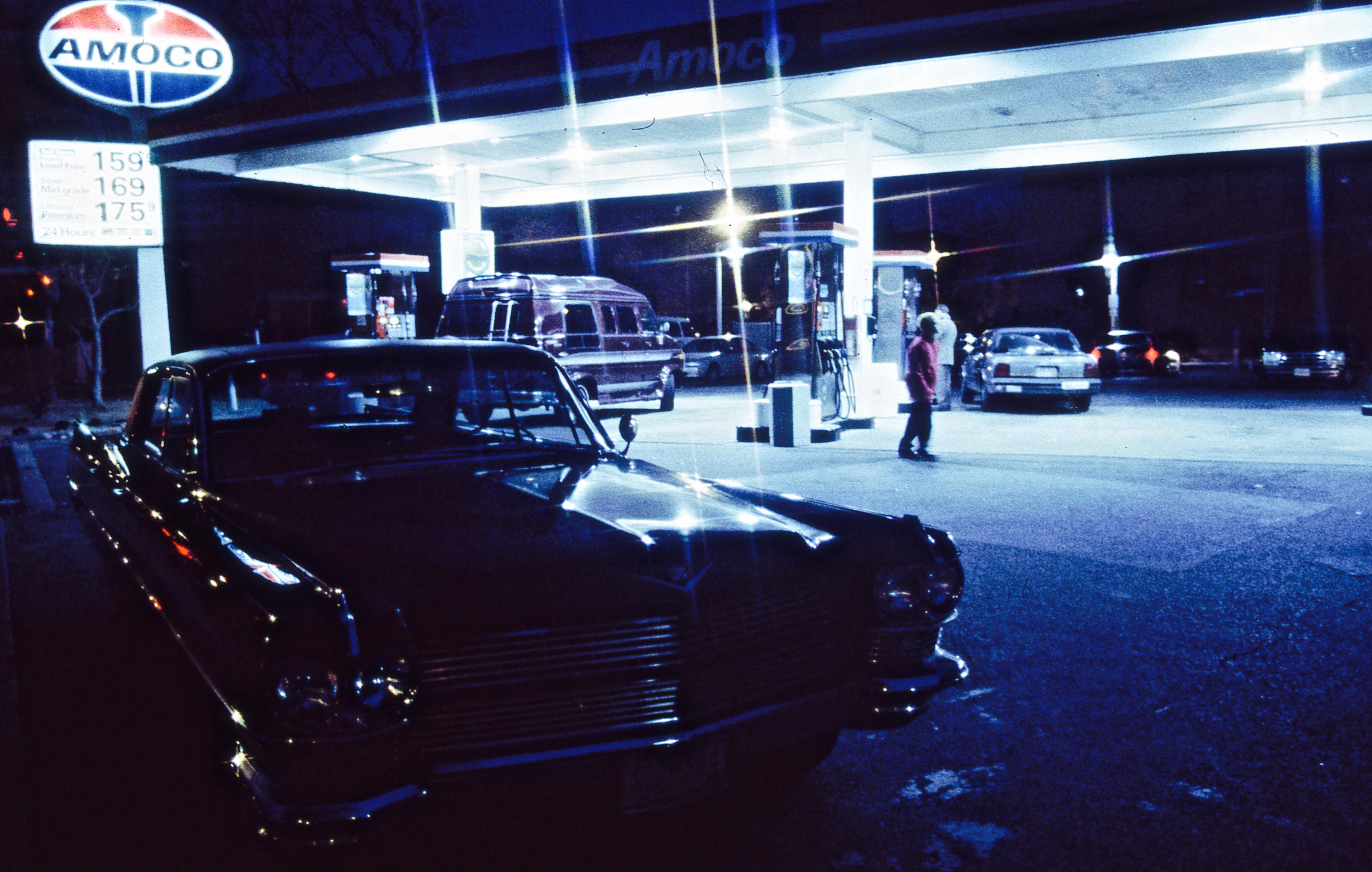


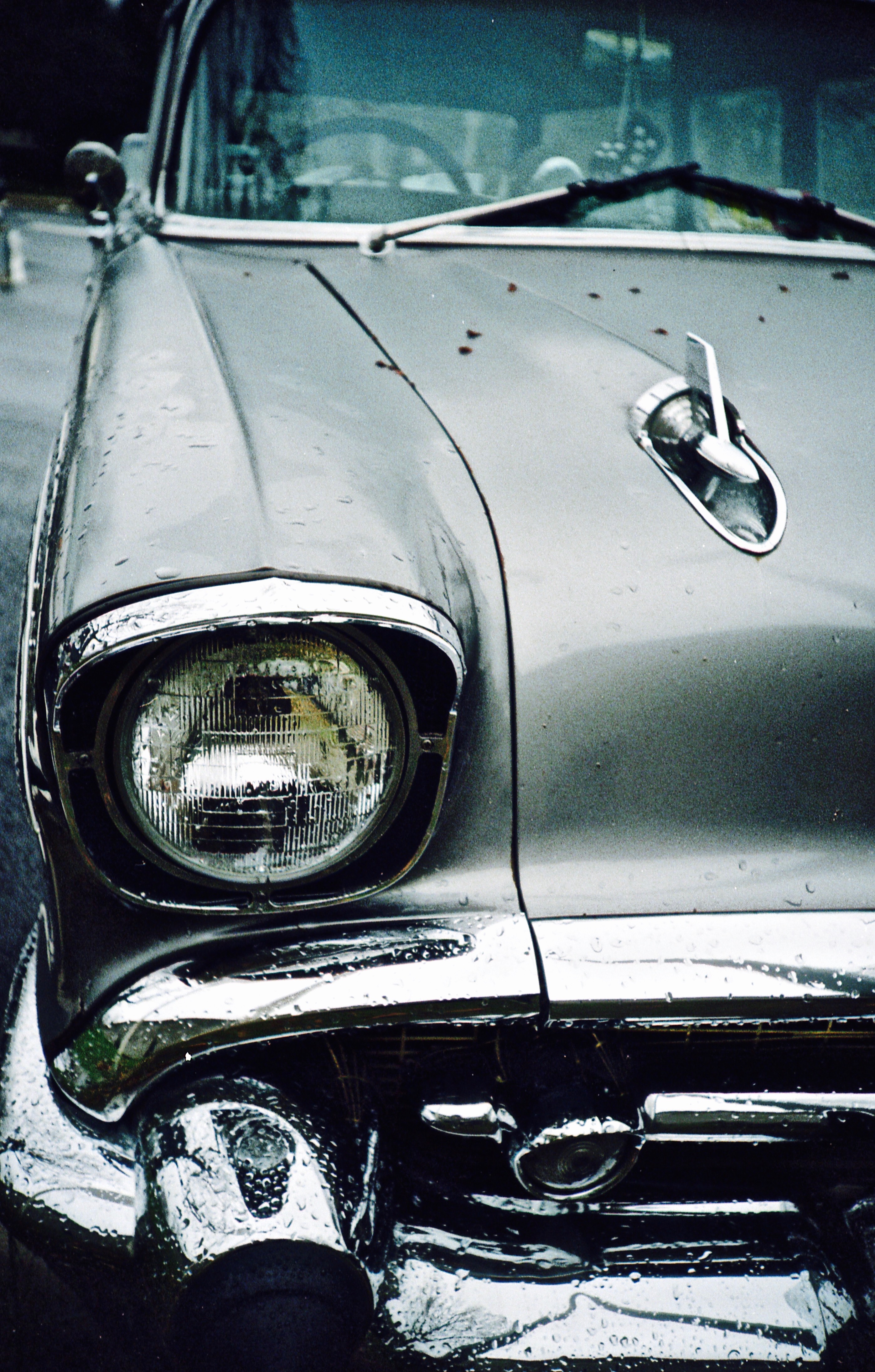
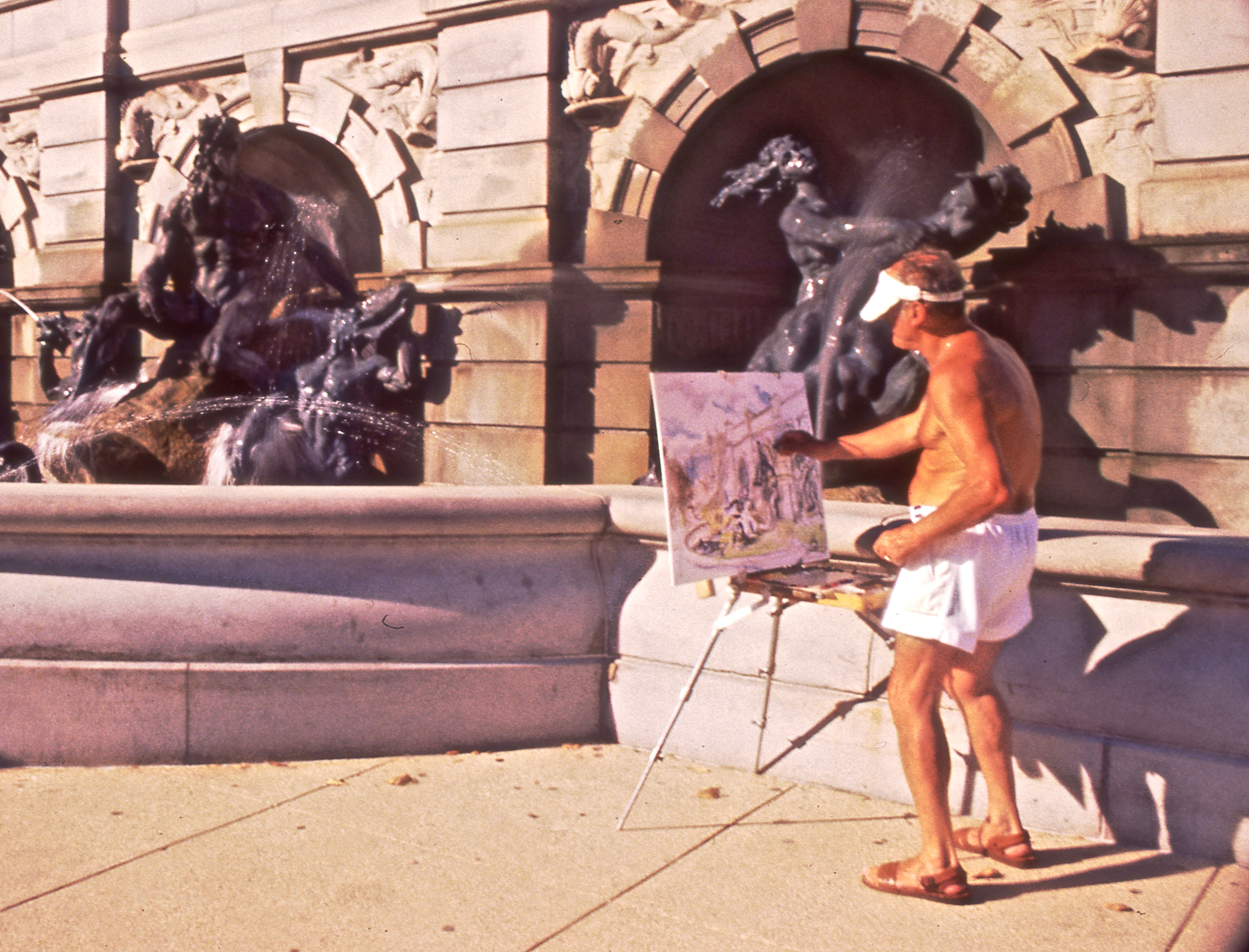


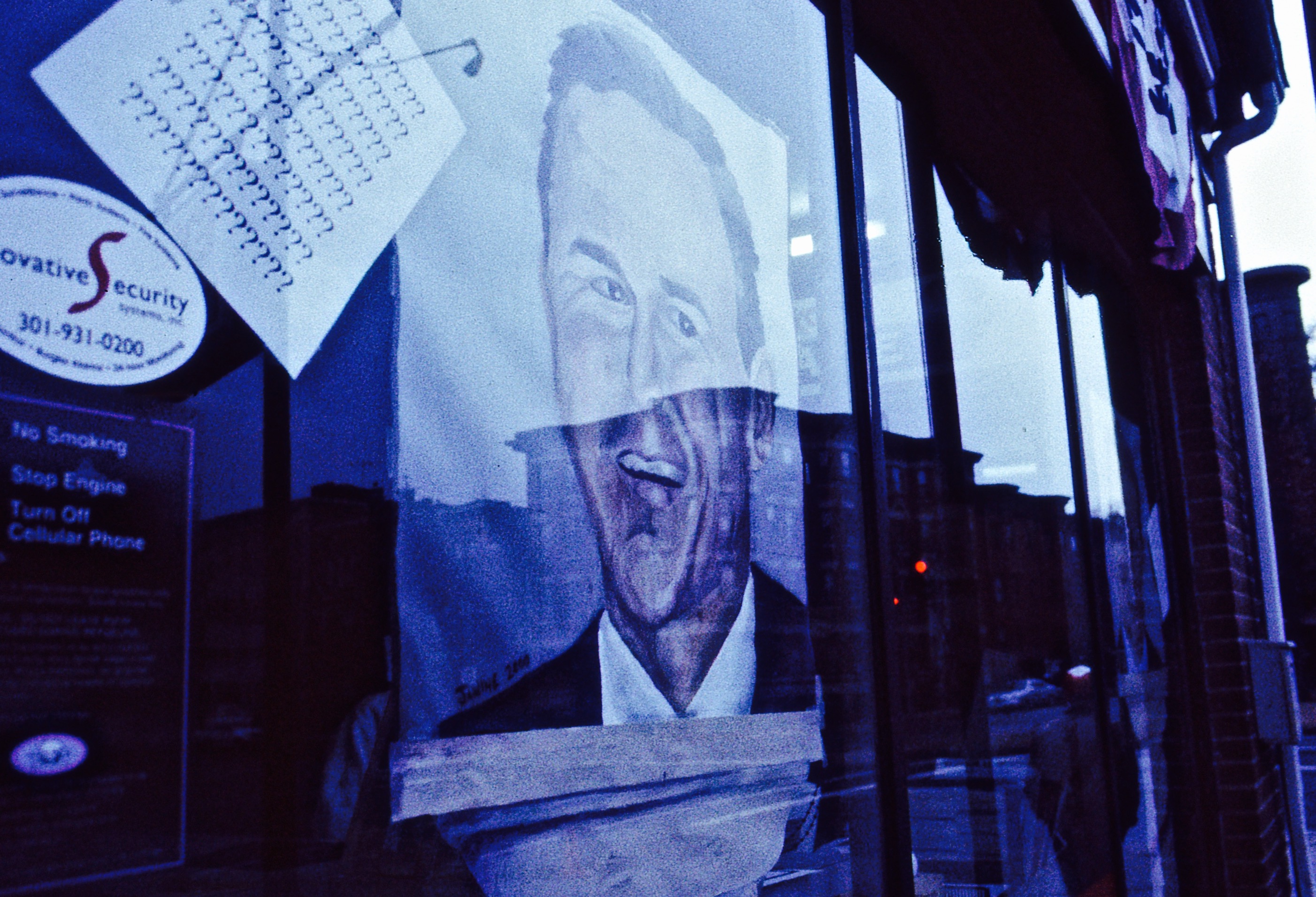


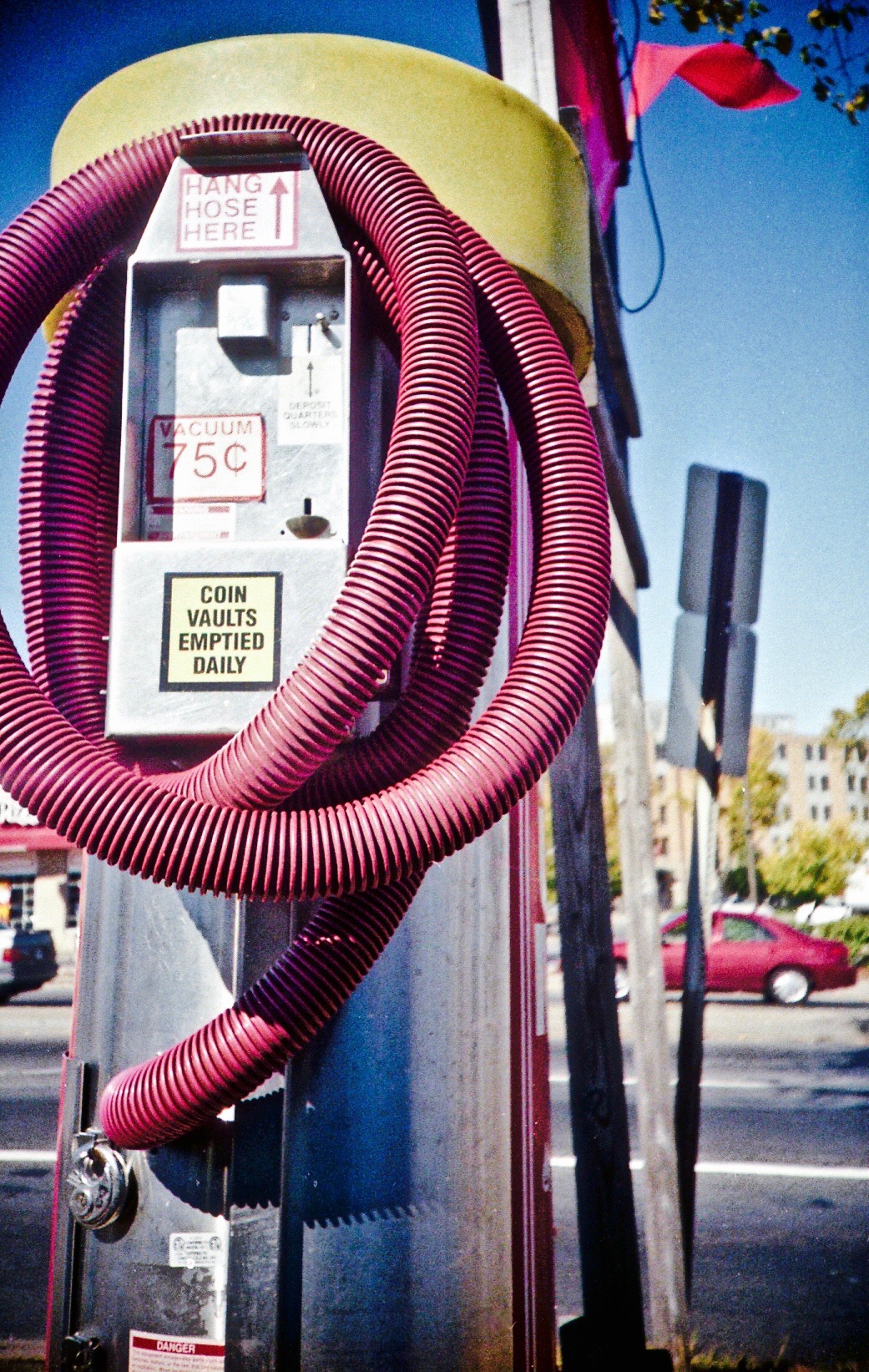


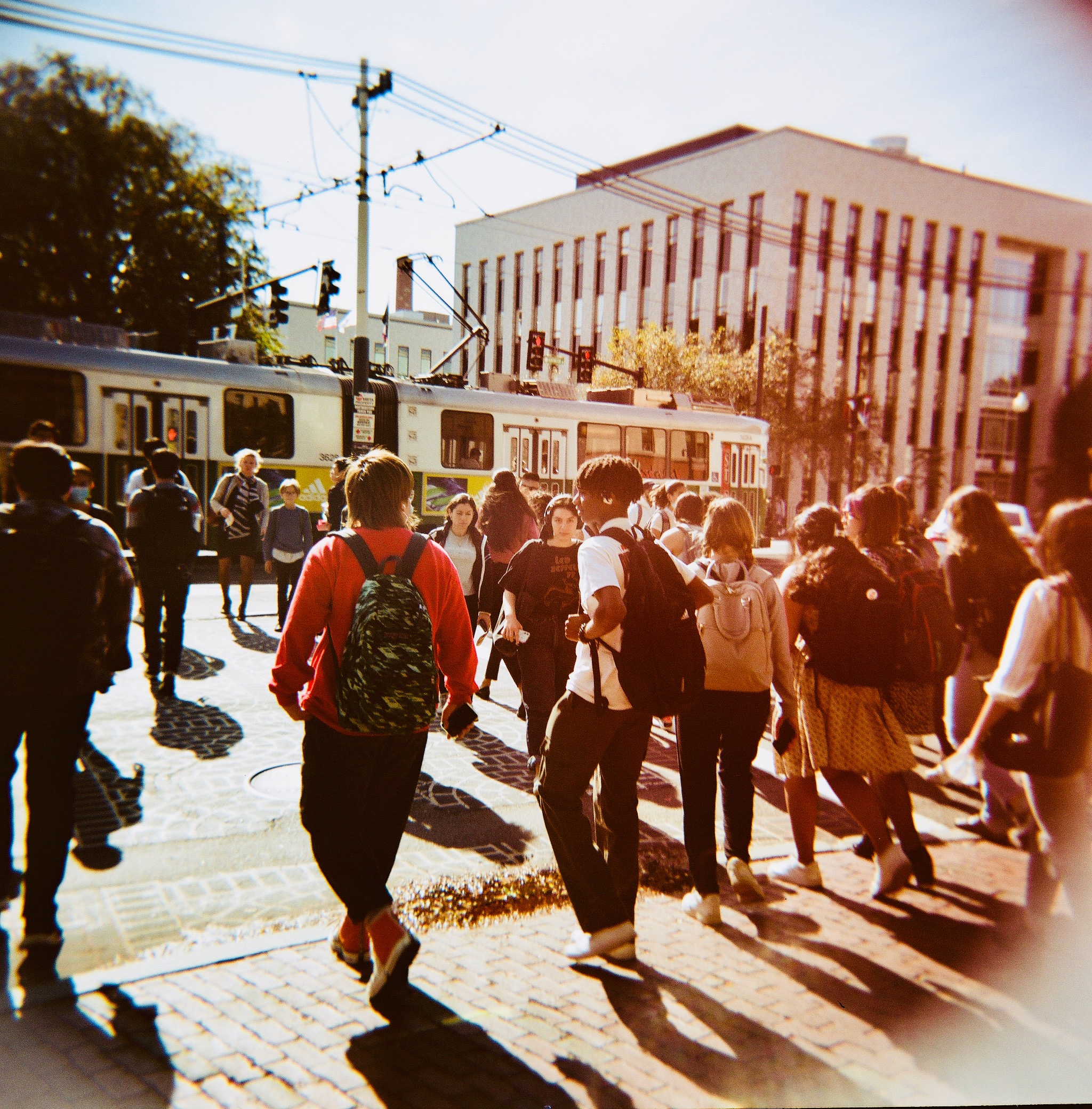


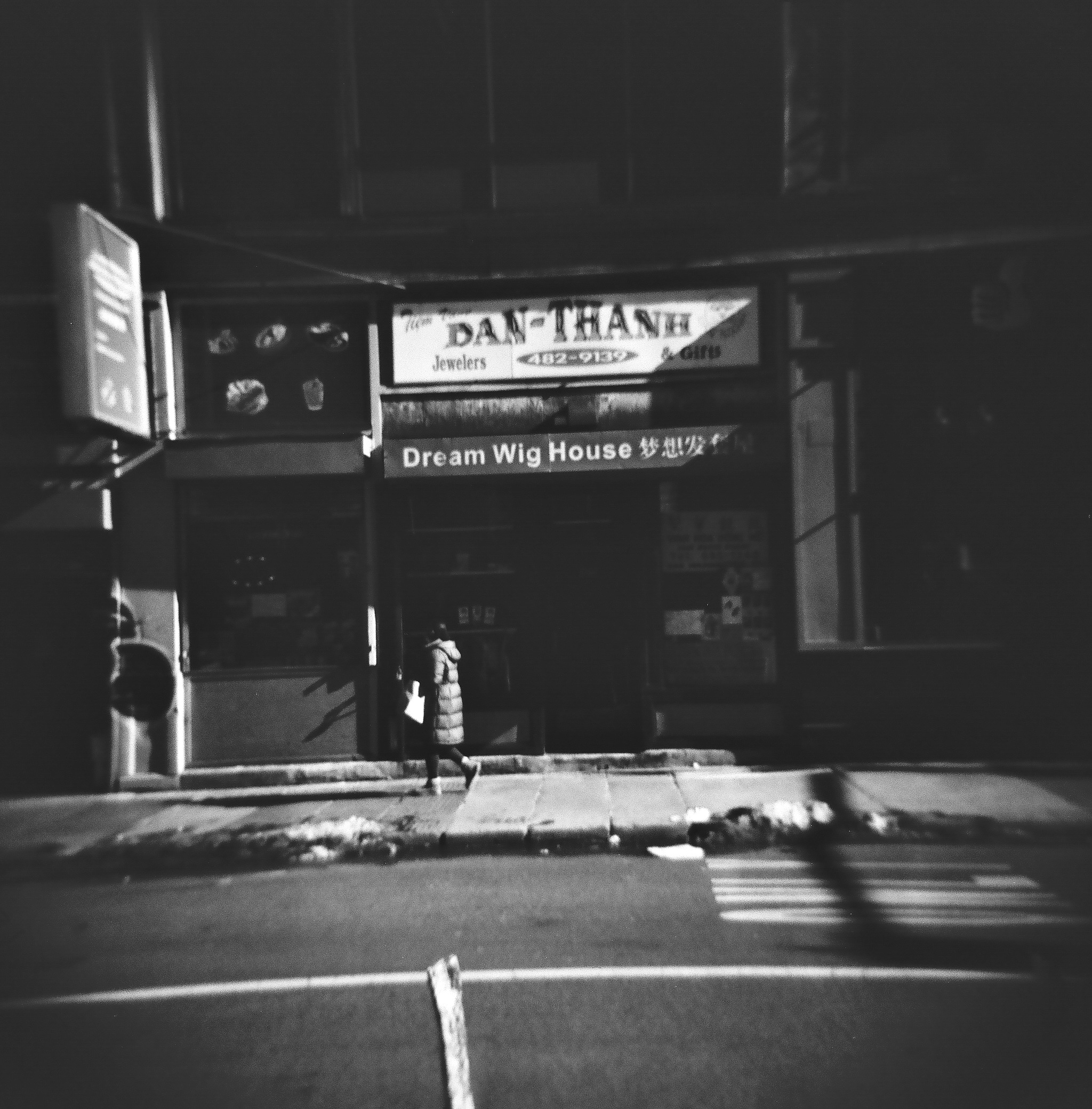
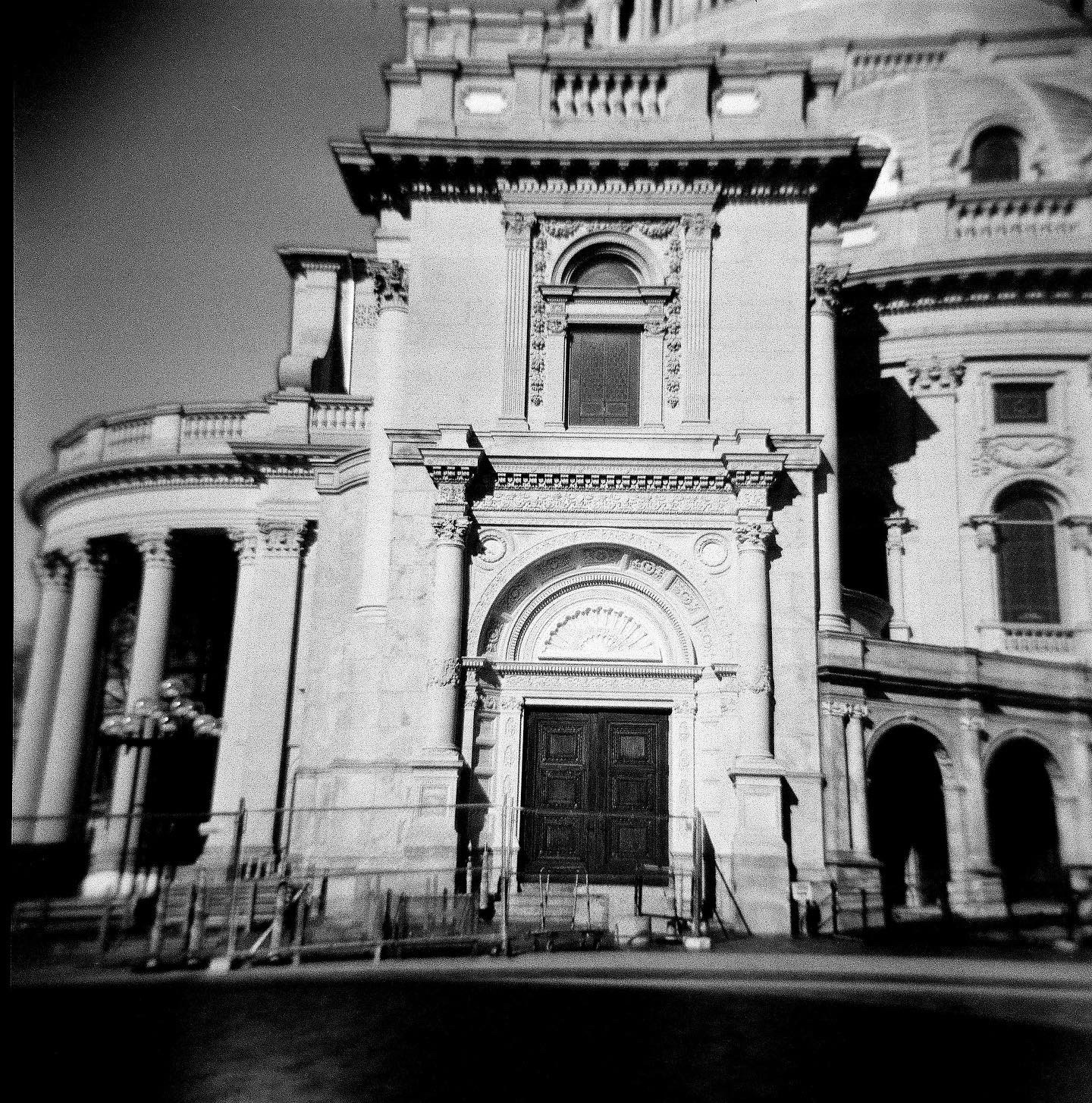


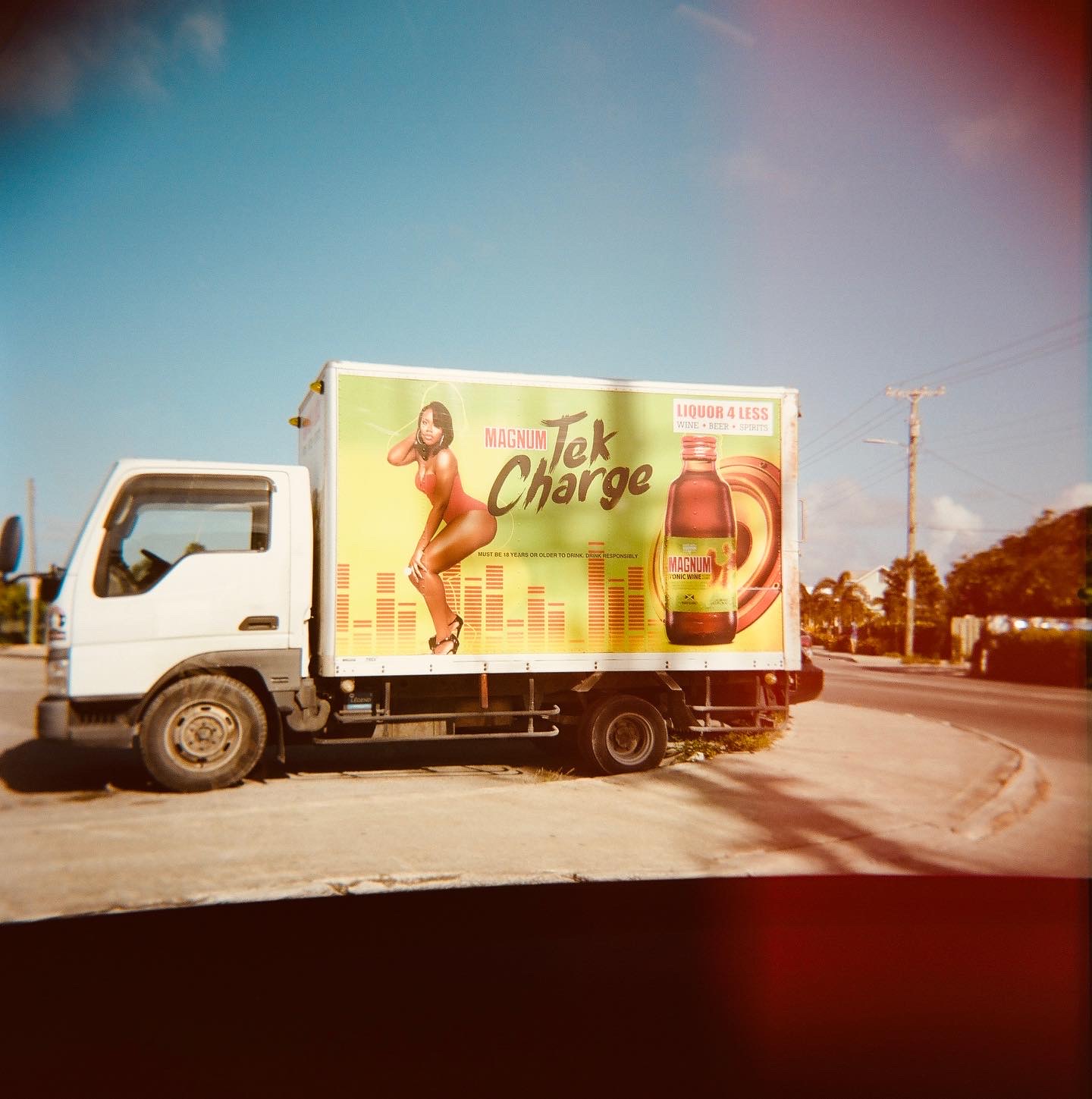


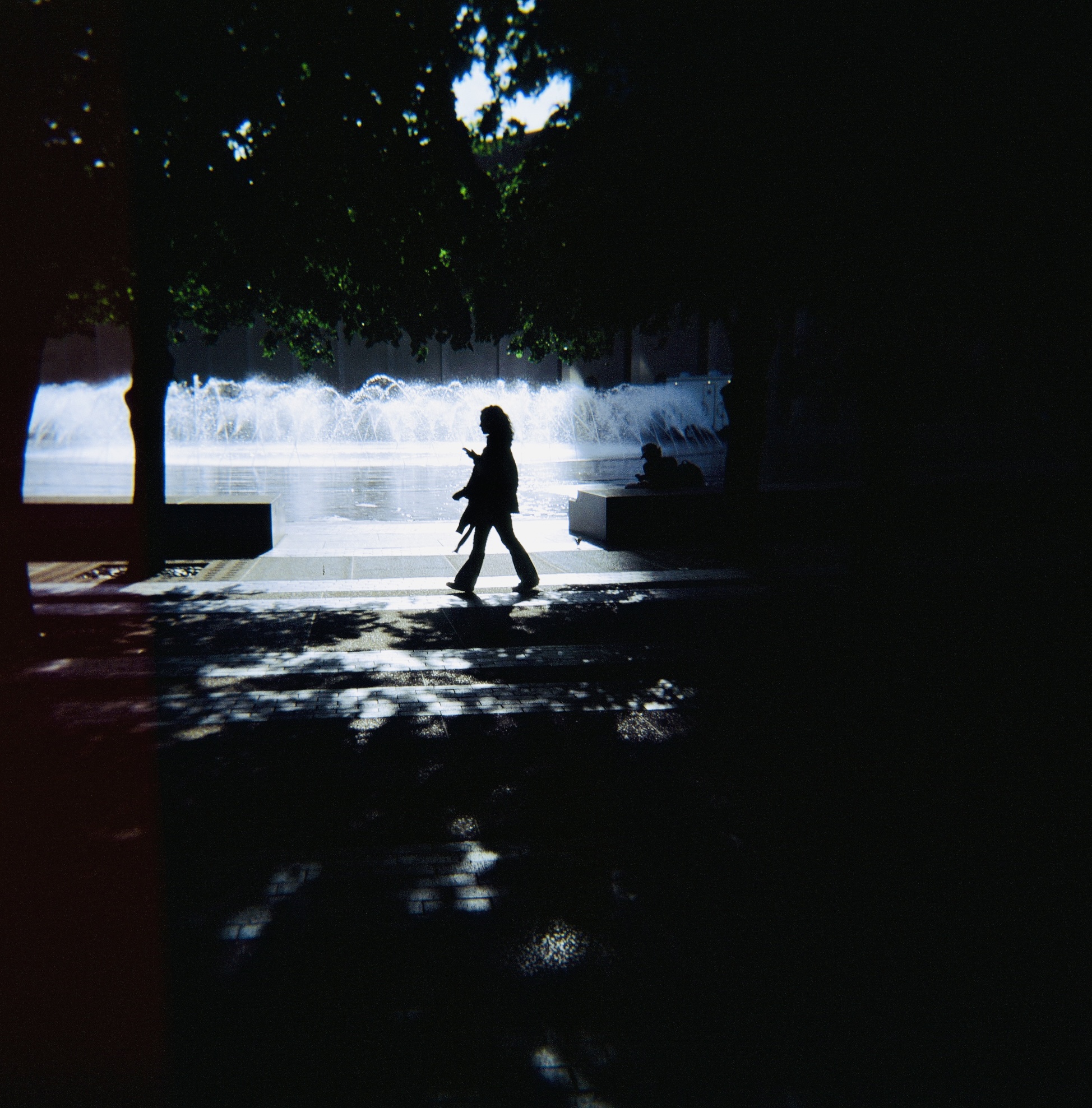

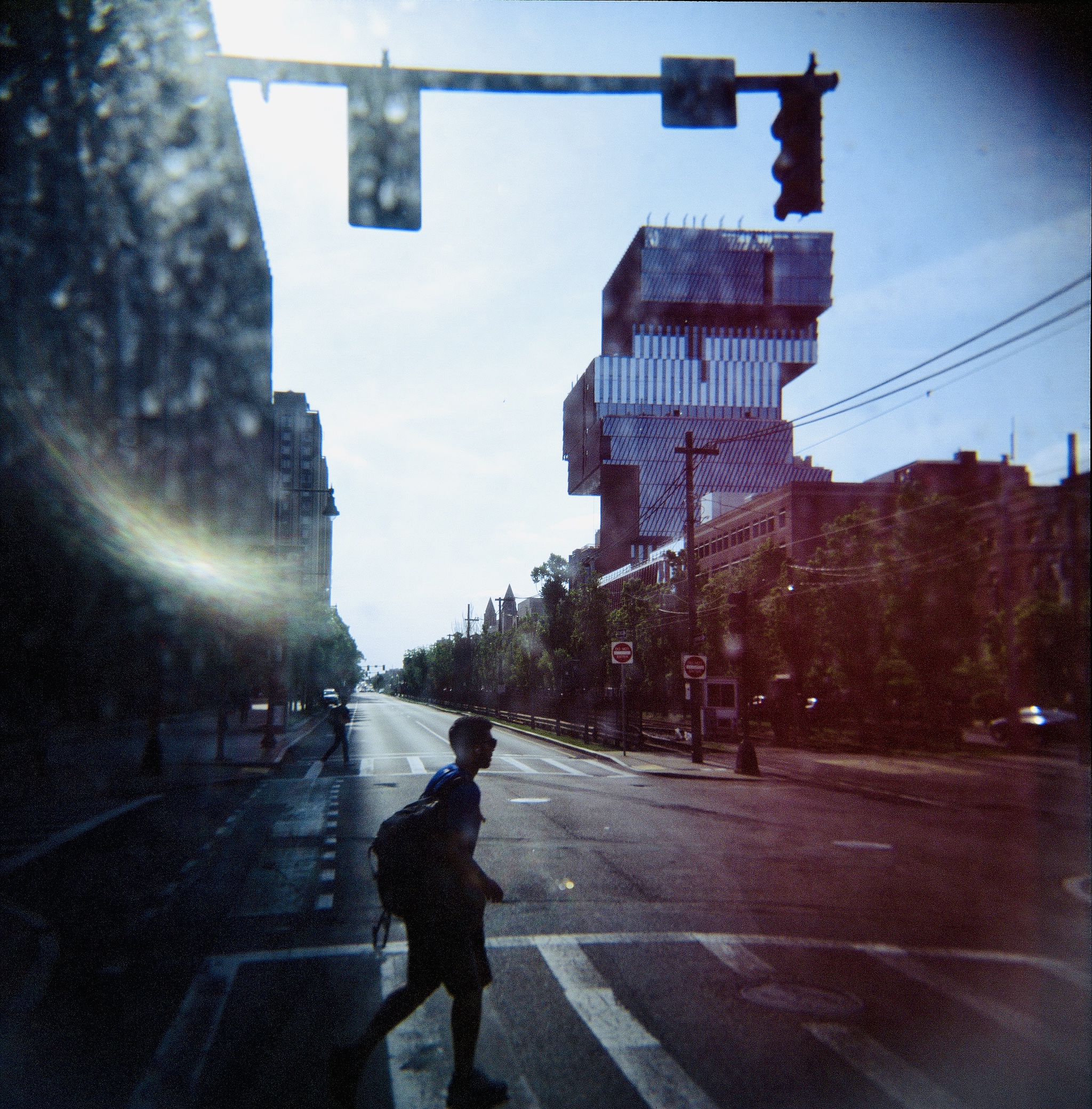


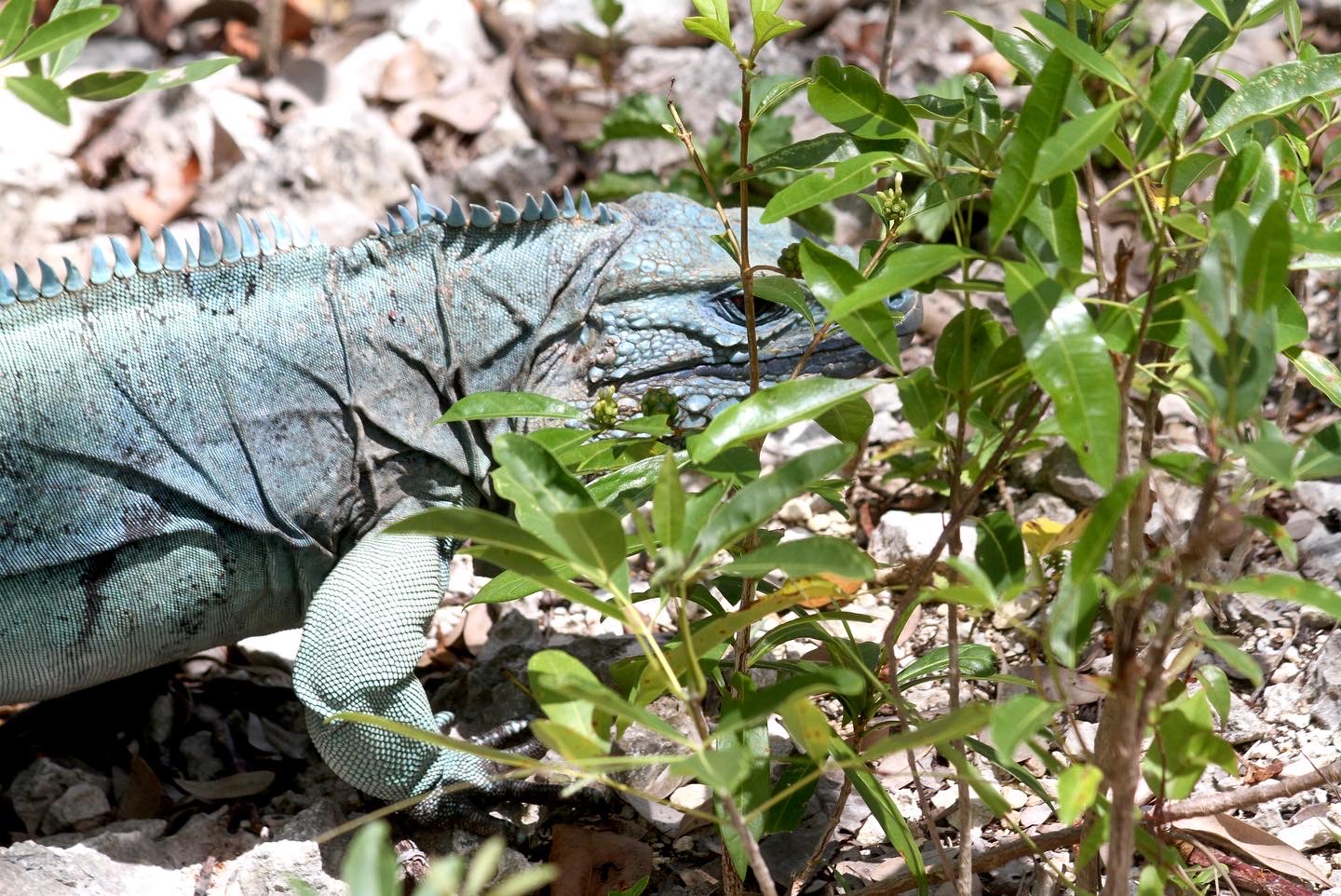
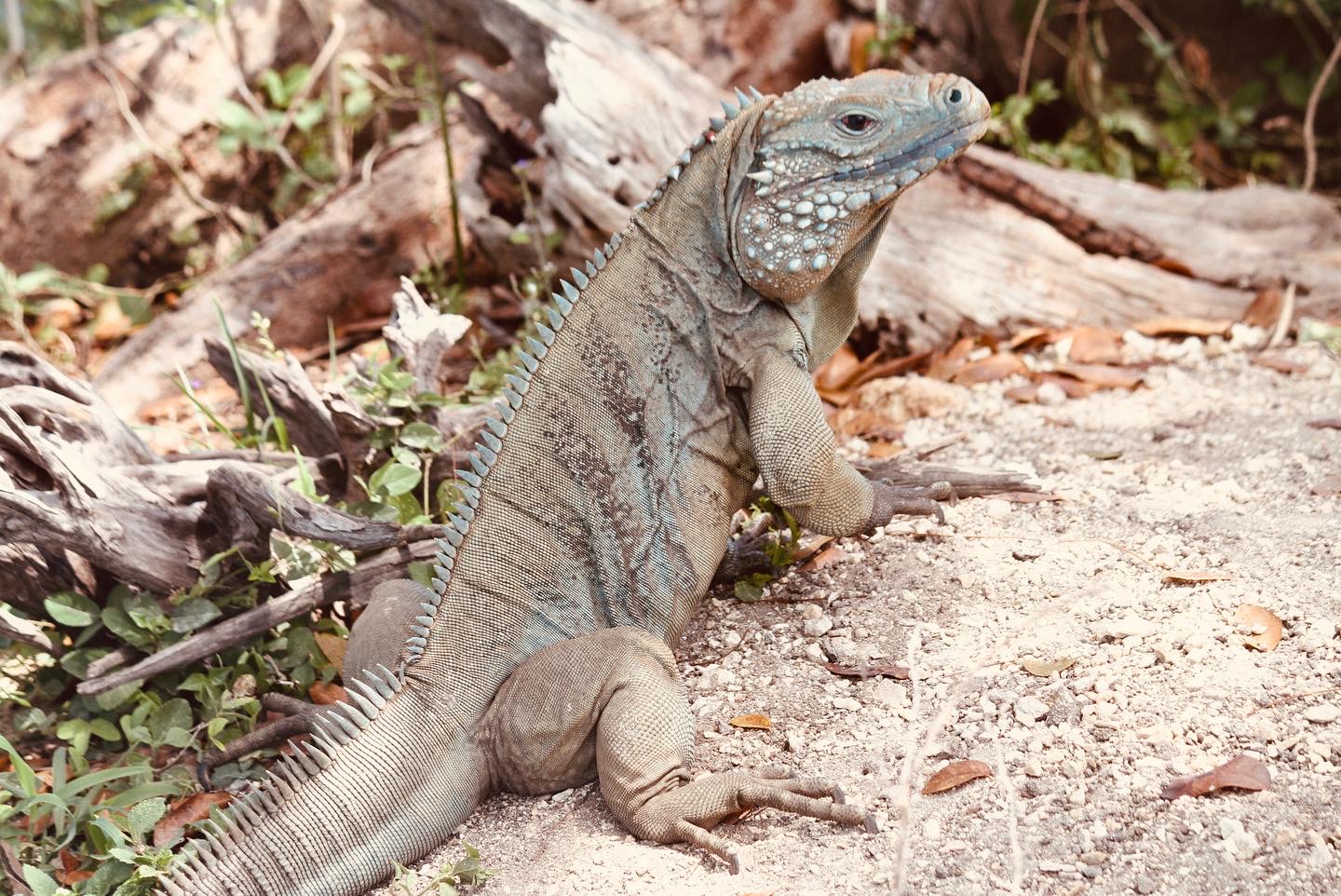



 wrong side of the camera